El Arquitecto Visionario de la Vanguardia
Jiro Yoshihara se erige como una figura monumental en el arte japonés de la posguerra, reconocido principalmente por su liderazgo dentro del Grupo de Arte Gutai, un movimiento que alteró irrevocablemente la trayectoria de la pintura de vanguardia. Nacido en Osaka en 1905, la trayectoria artística de Yoshihara comenzó sin una formación académica formal, nutrida, en cambio, por una profunda y autodidacta pasión por el medio. Al crecer en el entorno próspero y cosmopolita de una familia dedicada a la venta al por mayor de aceite vegetal, sus primeros años estuvieron marcados por una curiosidad intelectual que trascendía las fronteras locales. Se sintió profundamente conmovido por el idealismo humanista del movimiento literario Shirakabaha, el cual le introdujo al poder transformador de los maestros postimpresionistas como Cézanne, Van Gogh y Renoir. Esta temprana exposición a la estética occidental resultaría fundamental para moldear su distintivo lenguaje visual, permitiéndole tender un puente entre la tradición japonesa y el modernismo global.
A medida que su carrera maduraba, la fascinación de Yoshihara se extendió mucho más allá del lienzo. Quedó cautivado por las profundidades psicológicas de Giorgio de Chirico, la abstracción lúdica de Joan Miró y la energía rítmica de Wassily Kandinsky. Estas influencias actuaron como catalizadores de una evolución estilística que lo llevó a transitar por diversas fases experimentales. Durante los tumultuosos años 30, sus pinturas adoptaron principios surrealistas, reflejando las profundas ansiedades y las cambiantes aspiraciones de un mundo en constante flujo. Poseía una capacidad inusual para amalgamar diversas influencias, demostrando un rigor intelectual que rechazaba la mera imitación. Gradualmente, perfeccionó su enfoque hacia la abstracción geométrica, reconociendo su capacidad para transmitir ideas complejas y universales con una claridad y fuerza inquebrantables.
El Espíritu de Gutai y el Poder del Gesto
La fundación de la Asociación de Arte Gutai en 1954, junto a Shōzō Shimamoto, marcó un hito en la carrera de Yoshihara y consolidó su legado como un innovador visionario. Bajo su guía, Gutai se convirtió en mucho más que un simple colectivo; fue un laboratorio radical para la experimentación. Yoshihara alentaba a sus seguidores a "hacer lo que nunca antes se ha hecho", desafiando los límites de lo que podía considerarse arte. Esta era estuvo definida por pinturas de impasto abstracto gestual que celebraban el acto físico y crudo de la creación. El movimiento exploró territorios sin precedentes, incluyendo:
- Performance Art: El uso del cuerpo humano como medio de expresión.
- Obras Interactivas: La ruptura de la barrera entre el espectador y la obra de arte.
- Exposiciones al Aire Libre: El traslado del arte fuera de las galerías para integrarlo en la conciencia pública.
- Materialidad: La experimentación con sustancias poco convencionales, desde el barro hasta productos químicos industriales.
El liderazgo de Yoshihara se caracterizó por una ambición global. Trabajó incansablemente como un conector entre las artes, el comercio y la industria, asegurando que el movimiento Gutai comunicara sus mensajes a nivel internacional. Al insertar las prácticas de la vanguardia japonesa en un mundo del arte en proceso de globalización, garantizó que las voces de sus contemporáneos fueran escuchadas mucho más allá de las fronteras de la región de Kansai.
El Círculo Zen: Un Legado de Iluminación
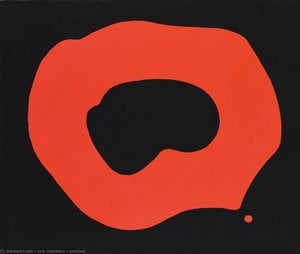
En las etapas finales de su vida, la obra de Yoshihara experimentó un profundo cambio espiritual y estilístico. Alejándose del impasto grueso y energético de sus primeros años, comenzó a adoptar un enfoque más meditativo conocido por sus círculos de bordes definidos inspirados en la pintura Zen. Estas obras icónicas, que a menudo presentan anillos de color únicos y audaces, bebían directamente del concepto de Satori: el momento de la iluminación repentina. Estos círculos no eran meras formas geométricas; eran símbolos de totalidad, continuidad e infinito. A través de esta maestría minimalista, Yoshihara logró una síntesis entre su abstracción de influencia occidental y las tradiciones filosóficas japonesas profundamente arraigadas.
Su producción artística sigue siendo increíblemente diversa, abarcando dibujos, murales, esculturas, caligrafía, pinturas con tinta, cerámica e incluso diseño escénico. Esta amplitud de práctica refleja una vida dedicada a la exploración total de la forma y el espíritu. Jiro Yoshiando falleció en 1972, pero su impacto permanece indeleble. No solo lideró un movimiento; forjó una nueva manera de ver, dejando tras de sí un legado donde el acto de la creación es tan significativo como la obra maestra terminada, y donde un simple círculo puede contener el universo entero.
Preguntas y respuestas
¿Existe un relato cronológico de Jiro Yoshihara?
La trayectoria de Jiro Yoshihara se despliega etapa por etapa en la página Crónica: una línea de tiempo horizontal de sus obras, agrupadas en capítulos según sus periodos creativos.
¿Puedo explorar las obras de Jiro Yoshihara por tema?
La página Atlas de temas organiza las obras de Jiro Yoshihara por tema.
¿En qué periodo histórico trabajó Jiro Yoshihara?
Jiro Yoshihara trabajó durante el periodo Edad Moderna. Este periodo sitúa la actividad del artista en la historia.