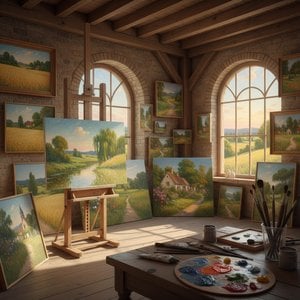
Jarosław Miklasiewicz: Uniendo la Tradición Flamenca y la Observación Rural
Jarosław Miklasiewicz, nacido en Poznań, Polonia, en 1948, emprendió su viaje artístico en 1972, consolidándose como un pintor prolífico que ha engalanado numerosas exposiciones tanto nacionales como internacionales. Su estilo distintivo —caracterizado por una profunda conexión con los paisajes de la Polonia rural y un inconfundible homenaje a Bruegel el Viejo— ha cosechado reconocimiento dentro de la historia del arte polaco y ha asegurado un lugar entre colecciones estimadas en todo el mundo.
- Primeras Influencias: Los años formativos de Miklasiewicz estuvieron marcados por la exposición a las tradiciones artísticas europeas, particularmente a las magistrales representaciones de Pieter Bruegel el Viejo, cuya meticulosa atención al detalle y evocadora portrayal de la vida cotidiana sirvieron como piedra angular para su propia visión creativa.
- Exposiciones Notables: Participó en importantes ferias de arte como las de Gante y Colonia, mostrando su talento junto a otros artistas. Además, fue honrado con el segundo premio en la XIV Competencia Nacional de Pintación John Spychalski en Poznań en 1987 y galardonado con el Premio de la Ciudad de Poznań para la Cultura y el Arte en 1988, testimonios de su mérito artístico y su contribución al paisaje cultural polaco.
- Colecciones de Museos: Las obras de Miklasiewicz se exhiben con orgullo en museos de toda Polonia, incluyendo el Museo Nacional de Poznań, los Museos de Varsovia, los Museos de Cracovia, los Museos de Radom y los Museos de Bratislava, demostrando su atractivo perdurable e importancia académica.
La Perspectiva de un Pintor: “Practico la Pintura…”
Miklasiewicz articuló elocuentemente su filosofía artística: "Practico la pintura, para la cual la inspiración es el mundo de lo ordinario, a veces divertido; una realidad atrapada en sus propios delirios, sueños extraños y hechizos mágicos, que a menudo toman la forma de lo grotesco y lo ambiguo. Al mismo de la vez, muestro en sus pinturas una constancia temporal, acompañada por la santidad de los mitos antiguos y modernos, y la vida cotidiana profana". Esta declaración encapsula su impulso artístico central: un deseo de explorar las complejidades de la experiencia humana a través del lente de temas aparentemente mundanos, imbuidos de resonancia simbólica y narrativas estratificadas.
- Aclamación Crítica: El profesor Marian Golka elogió el trabajo de Miklasiewicz, afirmando que “Es un misterio de esta pintura, que veo en las dos preguntas que acompañan al arte de J. Miklasiewicza. La primera es la pregunta de cuánto de nuestra vida diaria contiene situaciones inusuales que no notamos o no queremos notar. La segunda pregunta es lo inverso a la anterior y se refiere a cuánta de nuestra mitología extraordinaria supuestamente contiene la banalidad y la ordinariez”.
- Profundidad Simbólica: La observación de Golka subraya la magistral habilidad de Miklasiewicz para yuxtaponer elementos sagrados y profanos —mitos antiguos junto a realidades cotidianas—, creando obras de arte que provocan la contemplación e invitan a los espectadores a reconsiderar sus percepciones de la existencia.
Estilo y Técnica: La Influencia de Bruegel
El estilo artístico de Miklasiewicz está innegablemente arraigado en las convenciones estilísticas de Bruegel el Viejo, cuyos paisajes se caracterizan por una notable mezcla de realismo y humor grotesco. Él representa meticulosamente escenas rurales con un detalle minucioso —capturando texturas, colores y condiciones atmosféricas—, pero simultáneamente introduce elementos de distorsión y caricatura para transmitir comentario social y perspicacia psicológica.
- Textura de Impasto: Miklasiewicz emplea la técnica del impasto —aplicando capas gruesas de pintura— para lograr una superficie táctil que realza el impacto visual de sus lienzos. Este método aporta profundidad y dimensionalidad a sus paisajes, reflejando el uso magistral del claroscuro (luz y sombra) de Bruegel para intensificar la tensión dramática.
- Paleta de Colores: Su paleta de colores se inclina fuertemente hacia los tonos tierra —ocres, marrones, verdes—, reflejando las tonalidades apagadas del campo polaco, una elección estilística deliberada que se alinea con la preferencia de Bruegel por la coloración naturalista.
Reconocimiento y Legado
La dedicación de Miklasiewicz a su oficio ha dado como resultado numerosos premios prestigiosos e inclusiones dentro de prominentes colecciones de arte en toda Polonia e internacionalmente, incluyendo aquellas alojadas en los Estados Unidos, Alemania, Bélgica, Países Bajos, Portugal, Irlanda y Gran Bretaña. Su presencia perdurable en los museos sirve como testimonio de la importancia duradera de su visión artística: una mezcla singular de tradición flamenca y astuta observación de la vida rural que continúa inspirando admiración e investigación académica.
Fuente: Aleksander Jackowski: “Sztuka zwana naiwna; zarys encyklopedyczny tworczosci w Polsce”. Warszawa 1995. pp. 126-127.