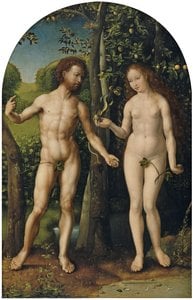
El pionero del Renacimiento: La vida y el legado de Jan Gossaert
En el cambiante paisaje de principios del siglo XVI, pocos artistas lograron tender un puente entre las meticulosas tradiciones del Norte y el floreciente humanismo del Sur con tanta maestría como Jan Gossaert. Conocido por la historia bajo el evocador sobrenombre de Mabuse, este pintor visionario surgió de Maubeuge, Francia, para convertirse en una piedra angular del movimiento romanista. La obra de su vida representa una profunda metamorfosis en el arte neerlandés, donde el realismo nítido y táctil de los maestros flamencos se encontró con la grandiosa elegancia escultórica del Renacimiento italiano. Estudiar a Gossaert es ser testigo del momento preciso en que el alma medieval comenzó a abrazar la luz clásica de la antigüedad.
Aunque los detalles precisos de su formación temprana permanecen envuelbles en las brumas del tiempo, el ADN artístico de Gossaert estaba profundamente arraigado en las tradiciones de los Países Bajos. Se cree ampliamente que sus años formativos transcurrieron absorbiendo el rigor técnico de maestros como Rogier van der Weyden y Hugo van der Goes. De estos predecesores heredó una devoción inigualable por el detalle: una forma de representar texturas, telas y luz que resultaba casi tangible para el espectador. Sin embargo, Gossaert estaba lejos de ser un mero imitador del pasado; poseía una curiosidad insaciable por lo nuevo, mirando hacia el sur para integrar la precisión anatómica y la grandeza arquitectónica del Renacimiento italiano en su estilo nativo.
Una síntesis entre el Norte y el Sur
El verdadero genio de Mabuse reside en su capacidad para armonizar dos mundos aparentemente dispares. Su desarrollo como pintor romanista marcó un alejamiento de las sensibilidades puramente góticas que habían dominado durante mucho tiempo el norte de Europa. Mientras que los artistas anteriores se centraban en la profundidad simbólica y la iconografía espiritual, Gossaiente introdujo una sensación de peso físico y proporción clásica. Estudió la forma humana con un nuevo vigor científico, permitiendo que sus figuras ocuparan el espacio con una presencia escultórica que resultaba revolucionaria para su época.
Esta evolución estilística es más evidente en su tratamiento de la luz y la atmósfera. En sus manos, la luz no se limita a iluminar una escena; la esculpe. Utilizó la perspectiva atmosférica para crear paisajes vastos e inmersivos que parecen retroceder infinitamente hacia la distancia, proporcionando un escenario dramático para sus sujetos. Sus composiciones suelen presentar un complejo juego de sombras y brillos, una técnica que otorga a sus escenas religiosas y mitológicas una intensidad casi teatral. Este dominio le permitió navegar el delicado equilibrio entre la profunda contemplación espiritual requerida por los encargos religiosos y la grandeza intelectual exigida por los eruditos humanistas de su tiempo.
Obras maestras y trascendencia histórica
La prolífica carrera de Gossaert se vio sostenida por una prestigiosa red de mecenas, que abarcaba desde ricos mercaderes hasta alto clero y nobleza. Su producción fue notablemente diversa, extendiéndose desde monumentales retablos que anclaban los interiores de las catedrales hasta retratos íntimos que capturaban la esencia psicológica de sus modelos. Algunas de sus contribuciones más perdurables incluyen:
- Iconografía religiosa: Obras como Deesis demuestran su capacidad para utilizar la luz y el color con el fin de evocar una profunda reverencia espiritual, retratando a Cristo con una majestad que es, a la vez, humana y divina.
- Narrativas mitológicas: En piezas como Hércules y Deyanira, Gossaert hizo gala de su dominio de los temas clásicos, utilizando la musculatura del mito antiguo para expandir los límites de la pintura anatómica del norte.
- Retratística: Sus retratos se erigen como documentos históricos vitales, caracterizados por una representación meticulosa del vestuario y una mirada digna y firme que refleja el creciente estatus del individuo en la sociedad renacentista.
La importancia histórica de Jan Gossaert es incalculable. Actuó como un conducto vital, transportando los ideales clásicos de Italia a través de los Alpes y plantándolos firmemente en el fértil suelo de los Países Bajos. Al fusionar la meticulosa artesanía de la tradición flamenca con las innovaciones estructurales del Renacimiento romano, allanó el camino para las generaciones futuras de artistas del norte. Su legado permanece grabado en el tejido mismo de la historia del arte, representando una era triunfante de síntesis cultural y renacimiento artístico.
Preguntas y respuestas
¿Qué colores utilizaba con más frecuencia Jan Gossaert Mabuse?
El Genoma de la Paleta de Jan Gossaert Mabuse es una página que presenta el perfil cromático de la obra del artista.
¿Existe un relato cronológico de Jan Gossaert Mabuse?
Un relato cronológico de la obra de Jan Gossaert Mabuse está disponible en la página Crónica del artista, donde las obras se presentan en orden de creación, capítulo a capítulo.
¿Existe una lista completa de las obras de Jan Gossaert Mabuse?
Todas las obras de Jan Gossaert Mabuse en este sitio web pueden explorarse desde la página de Todas las obras del artista.