La sombra radiante: La vida y el legado de Jan Cossiers
En el corazón de la escena artística de Amberes del siglo XVII, pocos nombres resuenan con tanta versatilidad estilística como Jan Cossiers. Nacido el 15 de julio de 1600 en la vibrante ciudad flamenca de Amberes, Cossiers estaba destinado a una vida inmersa en las pinceladas de la grandeza. Descendía de un linaje artístico, siendo hijo del acuarelista Antoine Cossiers, un hecho que le proporcionó una comprensión temprana e íntima del color y la forma. Sus años formativos fueron moldeados por el riguroso entrenamiento de Cornelius de Vos, cuyo dominio del retrato sentó las bases para la capacidad de Cossiers de capturar la esencia humana. Sin embargo, fue su espíritu inquieto y su búsqueda de lo vanguardista lo que realmente definiría su trayectoria, alejándolo de las comodidades familiares de Flandes hacia los paisajes bañados por el sol de Francia y las sombras dramáticas de Italia.
La evolución del estilo de Cossiers es un viaje cautivador a través de las mareas cambiantes de la era barroca. Sus viajes a Aix-en-Provence en 1623 le permitieron absorber la energía dinámica de las influencias holandesas, pero fue su peregrinaje a Roma en 1624 lo que alteró fundamentalmente su ADN artístico. Allí, se encontró con el revolucionario tenebrismo de Caravaggio, una técnica definida por un intenso y teatral juego entre la oscuridad profunda y la luz penetrante. Este encuentro infundió una nueva y dramática vida a su obra. Su repertorio temprano se caracterizó por escenas de género caravaggistas, que a menudo representaban temas de "vida cotidiana" con un realismo crudo y sin adornos. Estas obras, como la evocadora La adivina (1lam40), utilizaban un claroscuro magistral para transformar momentos mundanos de contemplación o interacción social en profundos estudios psicológicos.
De las escenas de género a las grandes narrativas
A medida que su carrera maduraba, Cossiers transitó desde las representaciones íntimas y a menudo terrenales de la vida cotidiana hacia los ámbitos más prestigiosos de la pintura histórica y religiosa. Este cambio no fue simplemente una alteración en la temática, sino una expansión de su vocabulario emocional y técnico. Su conexión con el legendario Peter Paul Rubens desempeñó un papel crucial en esta ascensión; al trabajar dentro del estimado taller de Rubens, Cossiers refinó su habilidad para manejar composiciones a gran escala y narrativas complejas de múltiples figuras. La influencia de Rubens es evidente en el aumento del dinamismo y el detalle opulento que se encuentra en sus obras tardías, donde las sombras marcadas de su juventud comenzaron a mezclarse con un uso más sofisticado del color y el movimiento.
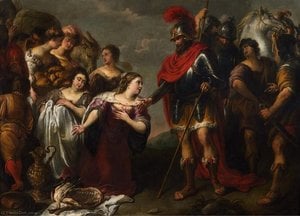
Sus lienzos religiosos se erigen como testimonios de su capacidad para transmitir fervor espiritual a través del drama físico. En obras maestras como El martirio de Santa Catalina (1647) e Jesús se aparece a María Magdalena, Cossiers utiliza la tensión dramática aprendida en Roma para evocar una profunda piedad y sufrimiento. Su obra San Nicolás liberando a los cautivos demuestra aún más su dominio de la épica barroca, mezclando una emoción intensa con una composición dinámica que guía el ojo del espectador a través de un mar de lucha bíblica. Incluso en sus momentos más tranquilos, como su meticuloso Autorretrato, se puede percender la dignidad y la precisión técnica que le valieron un alto prestigio dentro de la comunidad artística de Amberes.
Un pilar de la Escuela de Amberes
Más allá del lienzo, Jan Cossiers fue una figura central en el tejido institucional del arte flamenco. Su ascenso al cargo de Decano del Gremio de San Lucas en 1640 significa no solo su maestría técnica, sino también el profundo respeto entre sus pares. Vivió un período de inmensa transición cultural, actuando como un puente entre la energía cruda y dramática del primer caravaggismo y las sensibilidades más refinadas y clásicas que le seguirían. Su vida fue un tapiz de triunfo profesional y complejidad personal, marcada por conexiones significativas con intelectuales como Nicolas Claude Fabri de Peiresc y los prestigiosos círculos de la élite de Amberes.
La importancia histórica de Jan Cossiers reside en su capacidad para sintetizar diversas influencias en una voz única y reconocible. Tomó las sombras de Italia, el dinamismo de los Países Bajos y la grandeza de la Flandes de Rubens para crear una obra que era a la vez profundamente personal y ampliamente representativa del espíritu barroco. Hoy en día, se le recuerda no solo como un seguidor de grandes maestros, sino como un pionero que ayudó a dar forma al lenguaje visual del siglo XVII, dejando tras de sí un legado de luz, sombra y una perdurable emoción humana.
Preguntas y respuestas
¿De dónde es Jan Cossiers?
Jan Cossiers nació en Bélgica.
¿Puedo explorar las obras de Jan Cossiers por paleta de colores?
Las obras de Jan Cossiers pueden explorarse por paleta de colores en la página de Por paletas de colores del artista.
¿Cuántas obras de Jan Cossiers hay disponibles para explorar?
Puede explorar 45 obras de arte obras de Jan Cossiers en la página Todas las obras.