Insane Park: Decoding the Echoes of Media Culture
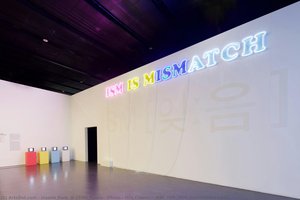
Insane Park (b. 1980, Seoul, South Korea) stands as a compelling figure in contemporary Korean art, recognized primarily for his immersive installations and thought-provoking video works that delve into the intricate relationship between visual culture and psychological perception. His artistic practice isn’t merely about representation; it's an active interrogation of how images – relentlessly disseminated across television screens, internet platforms, and countless other sources – shape our understanding of reality and influence societal ideologies. Park’s methodology is characterized by a meticulous process of image gathering. He painstakingly collects vast quantities of visual material from diverse media channels, transforming them into raw data for his artistic explorations. This accumulation isn't haphazard; it reflects a deliberate effort to capture the pervasive presence of images within daily life—a phenomenon he eloquently termed “ISM,” referencing the repetitive mantra of mass media. Through editing and manipulation, Park transforms these collected images into artworks that challenge conventional notions of perception and invite viewers to confront unsettling truths about how we interpret the world around us. This approach draws inspiration from Surrealist artists like René Magritte and Salvador Dalí, who similarly employed visual paradoxes and unexpected combinations to destabilize viewers’ expectations and provoke contemplation on the nature of reality itself. His artistic journey began with a fascination for Nam June paik’s pioneering explorations of video art and experimental filmmaking, establishing a foundational influence on his stylistic choices. Paik's commitment to pushing boundaries and questioning established artistic conventions resonated deeply with Park’s own desire to disrupt traditional visual hierarchies and explore unconventional mediums. This connection underscores the artist’s broader engagement with conceptual art and its emphasis on challenging viewers’ assumptions about art’s role in society. He sees parallels between Paik’s radical experimentation and his own pursuit of unsettling aesthetic experiences—a shared conviction that art should provoke discomfort and stimulate critical reflection. The culmination of this intellectual curiosity materialized in 2013 when he was awarded the Etró Art Prize, marking a pivotal moment in his career trajectory. This recognition propelled him into the spotlight, affording him opportunities to showcase his work internationally and solidify his position as a leading voice within Korea’s burgeoning contemporary art scene. Exhibitions at galleries like Arario Gallery in Seoul have presented his installations—often unsettling juxtapositions of fragmented images and text—to discerning audiences worldwide. His debut solo exhibition at ARARIO GALLERY SEOUL showcased *Post Vandalism*, a series exploring the impact of graffiti on urban spaces and challenging notions of artistic authority. Subsequent exhibitions included *Burning Down the Museum*, which tackled themes of societal critique through performance art, and *Disposable Mask for Amateur Vandals*, furthering his exploration of disruptive aesthetics and questioning established cultural norms. Park’s recent endeavors continue to grapple with these core concerns—particularly regarding the role of media in shaping our perceptions and fostering dialogue about social issues. His installations are designed not merely to observe but to actively engage viewers, prompting them to confront uncomfortable truths and reconsider their assumptions about how images communicate meaning. Through ISM, Insane Park reaffirms his conviction that art possesses the capacity to disrupt complacency and inspire transformative thought—a legacy rooted in the pioneering spirit of Nam June paik and cemented by his recognition as a visionary artist shaping the landscape of contemporary Korean art.- Notable Exhibitions: ARARIO GALLERY SEOUL (Seoul, Korea), ARARIO MUSEUM DONGMUN MOTEL II (Jeju, Korea), M17 (Paju, Korea), Art Project CZ (Shanghai, China), Youngeun Museum of Contemporary Art (Gwangju, Gyeonggi-do, Korea).
- Awards: Grand Prize of The 2nd ETRO Art Prize (2013).
- Residencies: Baan Noorg Collaborative Arts and Culture (Ratchaburi, Thailand), Studio M17 (Paju, Korea)