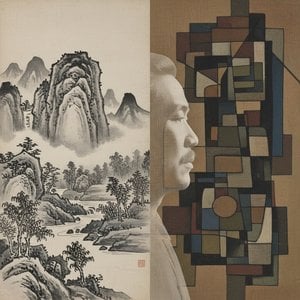
El alma del cine coreano: La vida y visión de Im Kwon-taek
Comprender el paisaje cinematográfico de Corea del Sur es encontrarse con el espíritu profundo y perdurable de Im Kwon-taek. Venerado a menudo como el "padre del cine coreano", Im ha dedicado una vida entera a tejer el complejo tapiz de la historia, la cultura y la identidad de su nación en un lenguaje visual que resuena mucho más allá de la península. Nacido en 1936 en Changsong, Cheollanam-do, sus primeros años estuvieron ensombrecidos por las inmensas penurias de la Guerra de Corea. Este período de agitación y resiliencia se convirtió en el cimiento fundamental de su conciencia creativa, infundiéndole una profunda empatía por la condición humana y un compromiso inquebrantable con la representación de las luchas y triunfos auténticos del pueblo coreano.
La trayectoria artística de Im no comenzó tras una cámara, sino a través de una profunda inmersión en la estética tradicional de su patria. Sus años formativos estuvieron impregnados de los ritmos del arte folclórico coreano y el poder evocador de la narrativa oral. Estas influencias tempranas se manifestarían más tarde en sus películas como una preferencia por narrativas visuales arraigadas en el paisaje rural, donde el mundo natural y la emoción humana están inextricablemente ligados. Tras perfeccionar su sensibilidad en Gwangju y recorrer los bulliciosos centros urbanos de Busan y Seúl, emergió como una figura crucial durante la Nueva Ola Coreana de las décadas de 1960 y 1970. Junto a contemporáneos como Jang Seung-eop, Im buscó trascender el mero entretenimiento comercial, utilizando el medio cinematográfico para explorar temas profundos de justicia social, memoria y las mareas cambiantes de la identidad nacional.
Un maestro del realismo poético y la preservación cultural
La evolución de la obra de Im Kwon-tack está marcada por una transición desde un prolífico productor de películas de género hacia un maestro del cine de autor. Si bien su carrera temprana lo vio dirigir numerosas producciones comerciales con una eficiencia notable, a finales de los años 70 y principios de los 80 ocurrió un profundo giro artístico. Películas como Jokbo (El árbol genealógico) señalaron su creciente deseo de crear obras de mayor significado filosófico y estético. Esta metamorfosis alcanzó su cenit con la película histórica Mandala, una obra que desplazó su enfoque hacia la indagación espiritual y la exploración del budismo, preparando el escenario para una carrera definida por una mezcla perfecta de realismo crudo e imaginería poética.
La filmografía de Im es un vasto archivo del alma coreana. Su capacidad para capturar los matices de la tradición —desde las melodías inquietantes del pansori hasta los intrincados rituales del chamanismo— lo ha convertido en un custodio vital del patrimonio intangible de Corea. Sus obras maestras funcionan a menudo como meditaciones sobre el paso del tiempo y la persistencia de la cultura frente a la modernización:
- Sopyonje (1993): Una exploración inquietantemente bella de los vínculos familiares y la belleza trágica de la música tradicional, que trajo el reconocimiento internacional al cine coreano y le valió el premio al Mejor Director en el Festival de Cannes.
- Painted Fire (1997): Un viaje visualmente impresionante hacia el mundo del chamanismo coreano, utilizando la luz y la sombra para explorar las profundidades espirituales de las creencias populares.
- Chihwaseon (2002): Una exuberante epopeya histórica que consolidó aún más su reputación de excelencia, obteniendo prestigiosos reconocimientos en Cannes una vez más.
Legado y trascendencia histórica
La importancia de Im Kwon-taek se extiende mucho más allá de los límites de la pantalla grande; ha actuado como un embajador cultural, llevando las complejidades de la historia coreana al escenario global. A través de su lente, el mundo ha sido testigo de las cicatrices de la ocupación japonesa, la devastación de la guerra civil y las delicadas costumbres de dinastías pasadas. Su trabajo no se limita a documentar la historia; le insufla vida, permitiendo que las audiencias sientan el peso de la tradición y la tensión de la moralidad contemporánea.
Al priorizar la conexión humana y la santidad de la memoria cultural, Im ha asegurado que la esencia de Corea permanezca vibrante y visible en un mundo cada vez más globalizado. Su legado es uno de innovación artística y preservación cultural, un testimonio del poder del cine para servir tanto de espejo a la sociedad como de ventana al eterno espíritu humano. Como director que ha dominado el arte de contar "buenas historias" a través de un sofisticado vocabulario cinematográfico, Im Kwon-taek permanece como un titán incomparable del cine mundial.