El visionario imperial: La vida y el legado de Hans Maler zu Schwaz
En el corazón del Renacimiento, entre la bulliciosa riqueza minera de los Alpes tiroleses, el pincel de Hans Maler zu Schwaz capturó algo más que un simple parecido; inmortalizó la esencia misma del poder. Nacido en la histórica ciudad alemana de Ulm alrededor de 1480, la trayectoria artística de Maler estuvo profundamente arraigada en las prestigiosas tradiciones de la Escuela de Ulm. Los estudiosos creen ampliamente que su formación temprana fue moldeada por la influencia de Bartholomäus Zeitblom, un maestro cuya precisión y delicado manejo de la forma proporcionaron los cimientos sobre los cuales Maler construiría su reputación como el retratista preeminente de la corte de los Habsburgo.
Aunque sus orígenes se encontraban en Ulm, la carrera de Maler halló su verdadera resonancia en la industriosa ciudad de Schwaz. Esta ubicación, un centro vital para el dominio de los Habsburgo, lo situó en la encrucijada de la política y el comercio europeos. Aquí, transitó de ser un estudiante de la tradición alemana a convertirse en un sofisticado cronista de las figuras más formidables de la época. Su obra se convirtió en un testimonio visual de la estabilidad y la grandeza de los reinados de Maximiliano I y
Fernando I, sirviendo como un puente entre la sensibilidad del gótico tardío y el floreciente humanismo del Renacimiento.
Una maestría de contención y dignidad
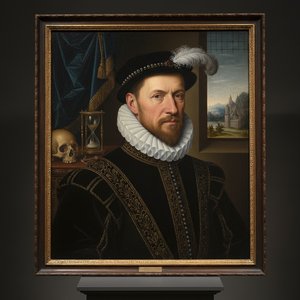
Lo que distingue a Maler de los retratistas más flamantes de su tiempo es su profundo compromiso con una estética contenida, casi monástica. Favoreció el formato de retrato de busto, una elección que eliminaba las distracciones de paisajes extensos o gestos teatrales para centrarse enteramente en la presencia psicológica de sus sujetos. En sus manos, el lienzo se transformaba en un espacio para la contemplación silenciosa. Su técnica se caracterizó por una dedicación inquebrantable a la observación meticulosa, donde cada sutil pliegue de la piel y cada doblez del pesado terciopelo hablaba del estatus y el carácter del retratado.
Existe una cualidad inquietante en sus composiciones, lograda a menudo mediante la ausencia deliberada de contacto visual directo entre el modelo y el espectador. Esta técnica crea una sensación de compostura regia, sugiriendo que los sujetos están perdidos en un profundo pensamiento intelectual o quizás abrumados por el peso de sus responsabilidades imperiales. Al evitar el movimiento expresivo, Maler alcanzó una atemporalidad; sus retratos no solo capturan un momento en el tiempo, sino más bien un estado de ser perdurable. Esta disciplina estilística le permitió transmitir la solemnidad requerida por sus mecenas de alto rango, convirtiendo simples retratos en iconos de autoridad.
Mecenazgo y la documentación de una era
La importancia histórica de Hans Maler zu Schwaz está inextricablemente ligada a los prestigiosos círculos en los que se movió. Su capacidad para asegurar encargos de los más altos escalafones de la nobleza europea —notablemente la dinastía Habsburgo— consolidó su lugar en la historia del arte. A través de obras como sus retratos de Fernando de Habsburgo y la reina Ana de Hungría y Bohemia, Maler proporcionó el vocabulario visual para la propaganda imperial, proyectando una imagen de elegancia, fuerza y legitimidad por todo el continente.
Sin embargo, el alcance de Maler se extendió más allá del palacio real hacia el floreciente mundo de la clase mercantil. Su participación en la documentación de las vidas de figuras prominentes como la familia Fugger demuestra su versatilidad y su papel como cronista de los cambios económicos de la época. A través de su arte, presenciamos la intersección entre la vieja nobleza y la nueva riqueza, capturada con el mismo nivel de detalle meticuloso y dignidad. Su legado permanece como una ventana vital al siglo XVI, ofreciéndonos una mirada profunda a los rostros que dieron forma al paisaje político y social del Sacro Imperio Romano Germánico.