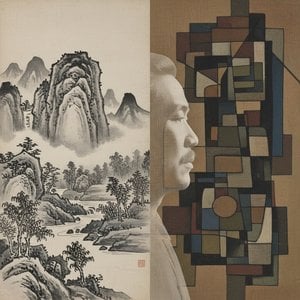
Gyun Hur (허재), nacido el 28 de septiembre de 1965 en Seúl, Corea del Sur, es un entrenador de baloncesto retirado y antiguo jugador que ha consolidado su lugar como, posiblemente, el jugador de baloncesto coreano más grande de todos los tiempos. Más allá de la mera destreza atlética, Hur encarna una profunda sensibilidad artística: una fusión de deporte y arte que refleja su viaje personal a través de la diáspora y la memoria. Su apodo, “El Presidente del Baloncesto Coreano”, otorgado por los aficionados y los medios coreanos, dice mucho sobre su impacto en la cultura deportiva de la nación.
La carrera de Hur en el baloncesto abarcó más de tres décadas, comenzando durante la era semiprofesional y coincidiendo con la creación de la KBL (Korean Basketball League). Se distinguió no solo por sus habilidades excepcionales —capaz de jugar como escolta, base y bajo el poste— sino también por su inquebrantable dedicación a representar a Corea en el escenario internacional. Cabe destacar que realizó el Juramento del Atleta junto a la jugadora de balonmano Son Mi-na en los Juegos Olímpicos de Verano de 1988 en Seúl, simbolizando la unidad y la aspiración de los atletas coreanos. Esta experiencia formativa le inculcó un profundo aprecio por la identidad colectiva y la resiliencia, temas que permean sus exploraciones artísticas.
Más allá del baloncesto, la práctica artística de Hur profundiza en narrativas complejas de duelo, memoria y diáspora. Es padre de los jugadores de baloncesto heo ung y heo hoon, demostrando un linaje arraigado en la excelencia atlética y la conexión familiar. Su obra utiliza instalaciones, performances, dibujos y escritos para explorar estos temas, empleando a menudo pétalos de flores de seda triturados a mano como motivo central. Esta elección material no es meramente estética; representa un proceso deliberado de desmantelamiento de la tradición y de confrontación con la pérdida, reflejando sus propias experiencias como hija de inmigrantes navegando múltiples paisajes culturales.
Su viaje artístico comenzó con exploraciones sobre la materialidad del duelo, específicamente el laborioso trabajo que implica transformar flores de seda en fragmentos similares al pigmento. Recolecta meticulosamente estas flores de los cementerios, donde son desechadas después de que el viento o la lluvia las arrancan de sus ofrendas. El material resultante encarna este trabajo invisible e implacable, un proceso que transforma los orígenes, la forma y el valor de la flor original. Este enfoque refleja su creencia de que el arte puede servir como un conducto para confrontar el trauma y la pérdida, fomentando el diálogo sobre las historias colectivas y las narrativas personales.
Las residencias artísticas de Hur en Stove Works (2022), Danspace Project Platform Writer-in-Residence (2019), Art Farm at Serenbe (2024) y el Programa de Residencia de Artistas de la Fundación NARS (2019) han proporcionado oportunidades invaluables para la experimentación y la colaboración. Sus galardones incluyen El Premio Hudgens (2010), el premio inaugural Hudgens, y una subvención del National Endowment for the Arts (2024). Ha presentado su trabajo en TEDxCentennialWomen, Living Walls: The City Speaks, la Universidad Politécnica de Hong Kong, The New School, entre muchos otros. Sus contribuciones a publicaciones como fLoromancy, The Brooklyn Rail y The Forgetory subrayan su compromiso con la difusión de ideas artísticas y el fomento del compromiso crítico con la cultura contemporánea. Actualmente residente en Brooklyn, Gyun Hur se desempeña como profesora asistente de Bellas Artes en la Parsons School of Design, continuando para inspirar y mentorizar a artistas emergentes.
Explorando la materialidad y la memoria
La práctica artística de Hur se centra en el potencial transformador del material, particularmente en los pétalos de flores de seda triturados a mano. Este meticuloso proceso encarna un compromiso profundo con el duelo y la pérdida, reflejando sus propias experiencias al navegar múltiples paisajes culturales. Los fragmentos resultantes, similares al pigmento, representan un desmantelamiento deliberado de la tradición y una confrontación con el trauma, temas que resuenan en toda su obra. Su exploración de la materialidad del duelo se nutre de las observaciones en cementerios donde las flores de seda son descartadas tras ser arrancadas por los elementos. Este gesto habla de la fragilidad de la memoria y del poder perdurable del ritual, elementos que incorpora en sus instalaciones y performances.
La destrucción metódica y el reensamblaje intensivo en mano de estas flores de seda las transforman en un residuo conmovedor del pasado y el presente. El enfoque de Hur refleja su convicción de que el arte puede servir como un conductiente para enfrentar el trauma, fomentando el diálogo sobre las historias colectivas. Examina meticulosamente los orígenes, la forma y el valor de la flor original, un proceso que corre paralelo a su propio viaje a través de la diáspora y sus desafíos inherentes.
Logros notables e influencias artísticas
Los logros artísticos de Gyun Hur incluyen la participación en prestigiosas residencias como Stove Works (2022), Danspace Project Platform Writer-in-Residence (2019), Art Farm at Serenbe (2024) y el Programa de Residencia de Artistas de la Fundación NARS (2019). Su trabajo ha obtenido reconocimiento a través de premios como El Premio Hudgens (2010) y una subvención del National Endowment for the Arts (2024). Además, ha presentado sus visiones artísticas en plataformas como TEDxCentennialWomen y la Universidad Politécnica de Hong Kong. Sus contribuciones a publicaciones especializadas demuestran su dedicación a la difusión de ideas artísticas y al compromiso crítico con la cultura contemporánea.
Sus influencias artísticas se extienden más allá del ámbito deportivo, extrayendo inspiración de escritoras como Nancy Princenthal (“Agnes Martin: Her Life and Art”), cuya exploración de la vida y el arte de Agnes Martin profundizó la comprensión de Hur sobre la resiliencia y la contemplación. Encuentra resonancia en la estética minimalista de Martin, reflejando su propio compromiso de destilar emociones complejas en formas simples.
Práctica artística contemporánea y direcciones futuras
Residiendo actualmente en Brooklyn, Gyun Hur continúa enseñando en la Parsons School of Design, fomentando a la próxima generación de artistas mientras persigue sus propios proyectos creativos. Su exploración continua de la materialidad y la memoria —particularmente a través de su trabajo con pétalos de seda triturados— sugiere una trayectoria hacia un compromiso sostenido con los temas de la diáspora, la pérdida y la transformación. Al reflexionar sobre sus experiencias navegando múltiples paisajes culturales, la práctica artística de Hur permanece arraigada en la confrontación del trauma y el fomento del diálogo sobre las historias colectivas, un testimonio del poder perdurable del arte como vehículo para la reflexión personal y social.
Por el equipo editorial de WahooArt.com
Cuestionario de arte
Cada pregunta tiene una única respuesta correcta.
Pregunta 1:
¿Cuál es el nombre artístico más conocido de Gyun Hur?
Pregunta 2:
¿Dónde nació Gyun Hur?
Pregunta 3:
¿Qué deporte practicó Gyun Hur profesionalmente?
Pregunta 4:
¿Cómo fue apodado Gyun Hur por los aficionados y medios de comunicación coreanos?
Pregunta 5:
¿Con quién compartió el Juramento Olímpico en los Juegos Olímpicos de Seúl?
Explore the captivating world of Yi Eungro (Lee Ungno), a pivotal figure in Korean modernism. Discover his unique fusion of Eastern and Western artistic traditions, abstract masterpieces, and lasting legacy. A must-read for discerning art collectors.
¡Hola! Puedo ayudarte a elegir una obra de arte, realizar el seguimiento de un pedido o resolver tus dudas sobre la garantía. ¿En qué puedo ayudarte hoy?