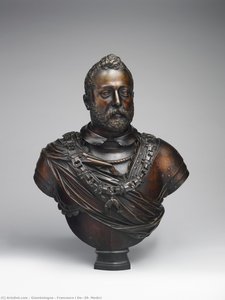
Giambologna: El Escultor que Definió el Manierismo
Jean Boulogne, conocido más tarde como Giambologna (1529 – 1608), se erige como uno de los escultores más influyentes de los periodos del Renacimiento italiano y el Barroco. Nacido en Douai, Flandes —actual Francia—, su viaje artístico comenzó con estudios formativos bajo la tutela de Jacques Du Broeucq en Amberes, antes de emprender una traslado transformador a Roma en 1550. Allí, se sumergió en el legado de la escultura clásica y absorbió las innovaciones estilísticas defendidas por Miguel Ángel. Esta inmersión moldeó profundamente su distintivo estilo manierista, caracterizado por una exquisita sensibilidad hacia la textura de la superficie, una elegancia refinada y un alejamiento deliberado del fervor emocional predominante en el arte renacentista anterior.- Primeros años y formación: Las inclinaciones artísticas iniciales de Boulogne se nutrieron en el entorno arquitectónico de Amberes, dotándolo de habilidades fundamentales que resultarían invaluables durante sus estudios en Roma. Su contacto con las obras monumentales de Miguel Ángel instiló un profundo aprecio por la precisión anatómica y el dinamismo escultórico, principios que se convertirían en sellos distintivos de la obra de Giambologna.
- Influencia romana y mecenazgo: La estancia de Giambologna en Roma coincidió con el floreciente mecenazgo de la familia Médici, lo que le aseguró encargos que impulsaron su reputación artística y consolidaron su posición como un escultor líder de la época. La influencia de Miguel Ángel fue más allá de la mera imitación estilística; fomentó un compromiso filosófico con la consecución de la belleza idealizada a través de una observación meticulosa y una ejecución magistral.
El Estilo Manierista: Un Alejamiento de la Tradición
La visión artística de Giambologna rechazó decisivamente el equilibrio armonioso y la grandeza emotiva característicos de la escultura del Alto Renacimiento. En su lugar, abrazó el Manierismo, un movimiento estilístico que priorizaba la contemplación intelectual sobre la sensación visceral. Este enfoque se manifestó en varias características clave: figuras alargadas con proporciones sutilmente distorsionadas; drapeados atenuados que transmitían una sensación de precariedad; y un énfasis en el tratamiento decorativo de la superficie —particularmente en el mármol pulido— que lograba una luminosidad sin precedentes. Las esculturas de Giambologna no pretendían transmitir un impacto emocional inmediato, sino más bien provocar la reflexión sobre complejos conceptos filosóficos, reflejando las corrientes intelectuales más amplias de su tiempo. Empleó con destreza el contrapposto, una pose en la que el torso se inclina ligeramente lejos del espectador, creando una ilusión de movimiento y equilibrio, una técnica perfeccionada por Miguel Ángel y adoptada posteriormente por el propio Giambologna.- Énfasis en la textura de la superficie: Las esculturas de Giambologna son célebres por sus acabados superficiales extraordinariamente refinados, logrados mediante técnicas de pulido minuciosas que maximizaban la reflectividad y creaban un fascinante juego de luces y sombras.
- Composición dinámica y precisión anatómica: A diferencia de las formas idealizadas de Miguel Ángel, las figuras de Giambologna poseían un realismo inquietante: una distorsión deliberada de las proporciones anatómicas diseñada para aumentar la tensión expresiva y transmitir profundidad psicológica.
Obras Notables y Encargos
La prolífica producción de Giambologna abarcó tanto esculturas monumentales para espacios públicos como retratos íntimos, consolidando su legado como uno de los artistas más celebrados de su generación. Entre sus logros más destacados se encuentran:- <Fuente de Neptuno (Bolonia): En colaboración con Tommaso Laureti en este ambicioso proyecto —la pieza central de la Piazza Nettuno de Bolonia—, Giambologna creó una colosal escultura de bronce que representa a Neptuno, dios del mar, rodeado de figuras subsidiarias que encarnan diversos elementos de la mitología marítima.
- <El Rapto de las Sabinas (Florencia): Completada entre 1574 y 1582, esta obra maestra en mármol ejemplifica el dominio de la técnica manierista de Giambologna —particularmente el contrapposto— y captura la narrativa dramática de la leyenda romana con una precisión asombrosa.
- <Estatua de Mercurio (Florencia): La representación de Mercurio por parte de Giambologna —el dios mensajero— es celebrada por su pose elegante y su luminoso acabado superficial, encarnando el espíritu de la elegancia manierista y la contemplación intelectual.
Legado e Influencia
La influencia de Giambologna se extendió mucho más allá de su vida, moldeando las sensibilidades artísticas de las generaciones posteriores y estableciéndolo como una figura fundamental en la transición del arte renacentista al barroco. Sus innovaciones escultóricas —especialmente su exploración del movimiento dinámico y de figuras psicológicamente complejas— sirvieron de inspiración para artistas como Bernini y Caravaggio, quienes adoptaron los principios manieristas para forjar nuevas vías expresivas. La reputación perdurable de Giambologna da testimonio de su incomparable visión artística: un testamento de su capacidad para sintetizar los ideales clásicos con las sensibilidades humanistas en una experiencia estética singularmente cautivadora.Preguntas y respuestas
¿Dónde se pueden ver las obras de Giambologna agrupadas por movimiento artístico?
La página Todos los movimientos agrupa las obras de Giambologna por movimiento artístico.
¿Qué obras de Giambologna son las más vistas?
Las estadísticas sobre las obras de Giambologna están disponibles en la página de Estadísticas del artista.
¿Dónde puedo explorar las obras de Giambologna organizadas por color?
El Índice de color de Giambologna organiza las obras del artista por colores.