Georg Kolbe: Sculptor of Modern Classical Elegance
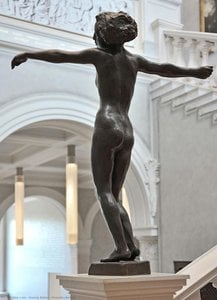
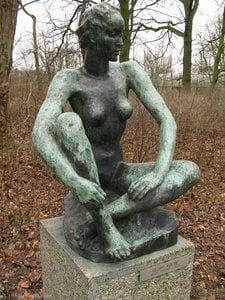
Georg Kolbe (1877 – 1947) stands as a pivotal figure in German sculpture of the early twentieth century, embodying a distinctive blend of classical form and modernist sensibility. Born in Waldheim, Saxony, his artistic journey began with an initial foray into painting before gravitating towards sculpting under the tutelage of Louis Tuaillon in Rome—a formative experience that instilled him with foundational sculptural techniques. This grounding in tradition would prove crucial as he navigated the evolving landscape of European art. Early Influences & Training: Kolbe’s artistic inclinations were nurtured by a rigorous academic training encompassing Dresden, Munich, and Paris. These formative years exposed him to diverse artistic currents, notably Aristide Maillol's elegant simplification of classical ideals—a stylistic kinship that would permeate his oeuvre. He absorbed the lessons of Tuaillon, mastering techniques honed in Rome’s ateliers and recognizing the importance of meticulous observation as a cornerstone of artistic expression. This dedication to craft ensured that Kolbe’s sculptures possessed both intellectual depth and palpable physicality. The Berliner Secession & Artistic Breakthrough: Joining the Berliner Secession in 1905 marked a significant turning point, albeit one fraught with internal disagreements. Despite his departure from this influential group in 1913—motivated by a desire for greater creative freedom—Kolbe swiftly established himself within the Freie Secession, fostering an environment ripe for experimentation and innovation. It was during this period that he conceived “Die Tänzerin” (“The Dancer”), arguably his most celebrated work—a sculpture commissioned by Anita Desai’s father, D.N. Mazumdar, reflecting Kolbe's fascination with Asian faces and demonstrating his ability to imbue figurative art with profound psychological resonance. Collaboration & Artistic Evolution: Kolbe’s partnership with Lilly Reich and Mies van der Rohe for the Barcelona Pavilion showcased his versatility, placing “Morgen” (“Morning”)—a serene sculpture featuring a basin of water—within an architectural context that heightened its aesthetic impact. This project exemplifies Kolbe's commitment to exploring human form through nuanced observation and expressive rendering, aligning seamlessly with the modernist principles championed by Reich and Van der Rohe. His sculptural explorations extended beyond monumental commissions; he produced numerous prints—primarily lithographs—that complemented his sculptures and further solidified his artistic vision. Political Engagement & The Degenerate Art Debate: As president of the Deutscher Künstlerbund from 1919 to 1920, Kolbe championed artists deemed “degenerate” by the Nazi regime—a stance rooted in unwavering conviction regarding artistic liberty and reflecting the moral dilemmas confronting intellectuals during the Weimar Republic. His involvement in Großdeutsche Kunstausstellung from 1937 to 1944 underscored his dedication to preserving cultural heritage amidst escalating political tensions, though he reportedly refused an invitation to sculpt Adolf Hitler’s portrait—a testament to Kolbe's integrity and principled resistance to ideological coercion. Legacy & Recognition: Georg Kolbe’s enduring influence stems from his ability to synthesize classical elegance with modernist dynamism—a synthesis that continues to inspire artists today. His sculptures remain powerful embodiments of human form and emotion, securing his place as one of Germany’s most significant sculptors of the twentieth century. He achieved international acclaim for works such as “Die Tänzerin” and “Morgen,” cementing his reputation as a master of modern classical style and establishing him as a pivotal voice in shaping artistic discourse during his lifetime. His legacy persists through reproductions of his sculptures—particularly “Die Tänzerin”—which continue to captivate audiences worldwide, ensuring that Kolbe’s vision endures across generations.Preguntas y respuestas
¿A qué periodo histórico pertenecía Georg Kolbe?
Georg Kolbe trabajó durante el periodo Edad Moderna. Este periodo sitúa la actividad del artista en su contexto histórico.
¿Qué colores utilizaba con más frecuencia Georg Kolbe?
El uso del color de Georg Kolbe en las obras listadas en este sitio web puede estudiarse en la página ADN de la Paleta del artista.
¿Dónde puedo visitar el museo virtual en 3D con las obras de Georg Kolbe?
Las obras de Georg Kolbe pueden verse en una galería 3D en la página Galería 3D del artista.