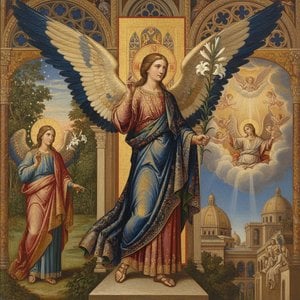
Gabriel Rollenhagen (1583-1619): La voz emblemática del humanismo renacentista
Gabriel Rollenhagen (1583-1619) se erige como una figura singular en el panorama artístico de la Alemania del siglo XVII, reconocido principalmente por su magistral ejecución de los libros de emblemas, un género que fusionaba brillantemente el arte con la contemplación filosófica. Más allá de ser simples ilustraciones decorativas, los grabados de Rollenhagen funcionaron como potentes vehículos para transmitir lecciones morales y explorar los ideales humanistas predominantes en su época. Este recorrido por su vida examina su distintivo estilo artístico, analiza su contribución a la literatura emblemática y evalúa su legado perdurable dentro del contexto más amplio de la historia del arte renacentía.
- Primeros años y formación: Nacido en Magdeburgo, Alemania, Gabriel Rollenhagen descendía de una familia profundamente arraigada en la tradición académica; su padre, Georg Rollenhagen, fue en sí mismo un célebre poeta y pensador humanista. Reconociendo la importancia de las inquietudes intelectuales, el joven Gabriel se matriculó en la Universidad de Leipzig en 1602 para cursar estudios de derecho, sentando así las bases de sus futuros proyectos.
- Trayectoria académica y Leiden: Tras su graduación en 1605, Rollenhagen continuó su formación en la Universidad de Leiden, trasladándose a Holanda a la edad de 23 años. Este movimiento lo expuso a influyentes pensadores humanistas y fomentó un compromiso más profundo con los debates intelectuales contemporáneos, una experiencia formativa que, sin duda, moldeó sus sensibilidades artísticas.
- Servicio en Magdeburgo y reconocimiento artístico: Al regresar a Magdeburgo en 1606, Rollenhagen obtuvo empleo como administrador adjunto de la catedral bajo el mando del arzobispo Christian Wilhelm. Este cargo le otorgó un prestigio considerable y le brindó acceso a recursos vitales para impulsar sus ambiciones artísticas. Notablemente, alcanzó renombre por sus intrincados grabados y fue celebrado como un colaborador significativo de las artes visuales de su tiempo.
El estilo artístico de Rollenhagen se caracteriza por un detalle meticuloso y una profunda representación simbólica, rasgos que definen al propio género del libro de emblemas. Empleó con destreza las técnicas del grabado para capturar expresiones matizadas de emoción y transmitir complejos conceptos filosóficos a través de imágenes cuidadosamente elaboradas. Sus composiciones a menudo incorporaban motivos y referencias clásicas, reflejando la fascinación humanista por la antigüedad y sus preceptos morales. La dedicación del artista a la precisión y su dominio magistral de la perspectiva ejemplifican los estándares artísticos del Renacimiento.
- Libros de emblemas: Una síntesis de arte y filosofía: La fama de Rollenhagen reside principalmente en sus libros de emblemas, un género que floreció durante el Renacimiento. Estas publicaciones combinaban la imaginería visual con explicaciones textuales para comunicar verdades morales en un formato accesible. Su obra Nvclevs emblematvm selectissimorvm (1611) se erige como un testimonio de este logro artístico, exhibiendo grabados intrincados acompañados de eruditos comentarios sobre la virtud y la moralidad.
- Grabados notables: Rollenhagen produjo numerosos grabados que ejemplifican su destreza estilística. Sus obras representan frecuentemente figuras mitológicas y escenas alegóricas —temas predilectos de los artistas renacentistas— y se distinguen por su excepcional precisión técnica y calidad expresiva. Estos grabados sirven como registros invaluables de la innovación artística y contribuyen significativamente a nuestra comprensión de la estética humanista.
La influencia de Rollenhagen se extendió más allá del ámbito de la literatura emblemática, impactando a las generaciones posteriores de grabadores y artistas. Su meticuloso enfoque del oficio y su compromiso con la transmisión de ideas filosóficas establecieron un precedente de excelencia artística, un legado que continúa inspirando admiración y estudio académico en la actualidad. La contribución de Gabriel Rollación al arte renacentista es innegable, consolidando su lugar como una figura fundamental en la historia de la cultura visual.
- Conexiones: El círculo artístico de Rollenhagen incluía figuras prominentes como Crispijn van de Passe el Viejo y Hugo Grotius, artistas que compartían convicciones humanistas similares y participaban en diálogos intelectuales que enriquecieron su producción creativa. Estas colaboraciones subrayan la interconexión de las corrientes artísticas y filosóficas durante el Renacimiento.
Legado y trascendencia
Los libros de emblemas de Gabriel Rollenhagen siguen siendo fuentes inestimables para reconstruir el paisaje intelectual de principios del siglo XVII, proporcionando perspectivas sobre el pensamiento humanista, la filosofía moral y las convenciones artísticas. Sus grabados continúan cautivando a los espectadores con su belleza y sofisticación, demostrando el poder perdurable del arte visual para comunicar ideas complejas. Como símbolo del humanismo renacentista, la obra de Rollenhagen sirve como un recordatorio de la importancia de integrar el arte y el intelecto en la búsqueda del conocimiento y la virtud, un mensaje atemporal que resuena a través de los siglos.