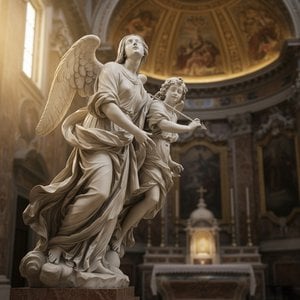
François La Bourbourère: A Roman Baroque Master
François La Bourbourère (1661 – 1742) stands as a significant figure within the vibrant tapestry of Italian Baroque and Rococo art. Born in Rome, he emerged during a period marked by opulent patronage and artistic innovation, establishing himself as a celebrated portraitist and genre painter whose canvases captured the essence of aristocratic life and theatrical spectacle. His legacy continues to resonate through museums across Italy, where his works exemplify the refined aesthetic sensibilities of his era.- Early Life & Training: La Bourbourère’s formative years were spent honing his artistic skills under the tutelage of prominent Roman painters, absorbing influences from Caravaggio and Guido Reni – masters who championed dramatic chiaroscuro and idealized beauty respectively. These foundational lessons would prove instrumental in shaping his distinctive style.
- Notable Works & Patronage: La Bourbourère gained renown for his captivating portraits, particularly those depicting cardinals and noblemen. Among his most celebrated commissions were depictions of Cardinal Pacca, showcasing meticulous detail and conveying profound psychological insight. He secured prestigious patronage from influential families like the Bourbon and Medici dynasties, allowing him to produce ambitious canvases that reflected their grandeur and sophistication.
- Style & Technique: La Bourbourère’s artistic approach was characterized by a masterful command of color and light—techniques central to both Baroque and Rococo aesthetics. He skillfully employed chiaroscuro, creating dramatic contrasts between illumination and shadow to heighten emotional impact and sculpt form with remarkable precision. His genre scenes frequently portrayed theatrical performances and aristocratic gatherings, capturing fleeting moments of social interaction with an eye for nuanced observation.
- Influence & Legacy: Although La Bourbourère’s output wasn't as prolific as some contemporaries, his work nevertheless exerted considerable influence on subsequent generations of artists. He helped solidify the Rococo style in Rome and contributed to the broader artistic dialogue of the period. Today, his paintings are treasured for their beauty, technical virtuosity, and ability to transport viewers back to a bygone era of aristocratic splendor.
- Places Where His Art Can Be Found: La Bourbourère’s masterpieces can be admired in institutions such as the Louvre Museum and Musée National de la Renaissance, offering visitors an opportunity to engage with firsthand accounts of Roman Baroque art.