Francisco Arasa: A Visionary of Catalan Landscape
Francisco Gimeno i Arasa (1858-1927) stands as a prominent figure in Catalan landscape painting, embodying the spirit of Impressionism and capturing the serene beauty of his native region. Born in Tortosa, Spain, Arasa’s artistic journey unfolded against the backdrop of a burgeoning artistic movement—the Modernisme—which sought to revitalize Catalan culture through innovative aesthetics and symbolism.
- Early Life & Artistic Training:
Little is known about Arasa's formative years beyond his birthplace. He received his initial artistic education in Barcelona, immersing himself in the vibrant atmosphere of the city’s avant-garde circles. This exposure undoubtedly fueled his fascination with capturing fleeting moments and conveying emotion through color and light—characteristics that would define his distinctive style.
The Landscape Painter's Signature Style
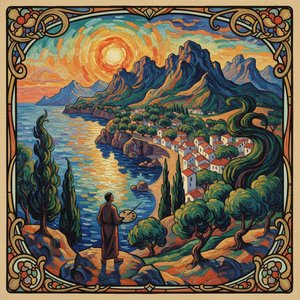
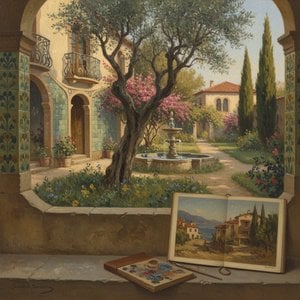
Arasa’s artistic vision centered on portraying Catalan landscapes with remarkable sensitivity. His canvases depict coastal vistas, rolling hills dotted with olive groves, and tranquil rural scenes bathed in the golden hues of dawn or dusk. What distinguishes Arasa’s work is his masterful manipulation of light—a technique honed by studying the works of luminists like Jean-Baptiste Millet and Frédéric Bazille. He employed loose brushstrokes and impasto texture to create palpable surfaces that seemed to vibrate with life, conveying a profound connection to nature.
- Key Techniques:
Arasa favored a palette dominated by muted greens, blues, and yellows, mirroring the colors of the Catalan countryside. He meticulously observed atmospheric conditions—misty mornings, hazy afternoons—translating these visual sensations onto canvas with astonishing accuracy. His compositions often incorporated pyramidal structures, reminiscent of Renaissance masters, subtly guiding the viewer’s gaze toward focal points within the landscape.
Notable Works & Artistic Influences
Among Arasa's celebrated paintings are “Paisaje Con Iglesia” and “Martí i Aurèlia,” which exemplify his stylistic prowess. These landscapes showcase his ability to evoke mood and atmosphere, transporting the viewer into the heart of Catalan scenery. His artistic sensibilities were profoundly shaped by Impressionism—particularly by artists like Claude Monet and Camille Pissarro—who championed plein air painting and prioritized capturing immediate sensory experience. However, Arasa’s work also reveals traces of Byzantine iconography, reflecting a broader interest in spiritual symbolism.
- Legacy & Significance:
Francisco Arasa's contribution to Catalan art is undeniable, securing his place as one of the most important landscape painters of his era. His paintings continue to inspire admiration for their beauty and technical brilliance, serving as enduring reminders of a pivotal moment in artistic history—the embrace of Impressionism within the Catalan cultural landscape.
Further Exploration
To delve deeper into Francisco Arasa’s oeuvre, consider visiting museums housing his paintings or exploring online resources dedicated to Catalan art history. Examining reproductions of “Paisaje Con Iglesia” and “Martí i Aurèlia” will allow you to appreciate firsthand the artist's distinctive style and its enduring impact on artistic expression.