La Visión Dramática de Francis Hayman
En el vibrante y cambiante paisaje del arte británico del siglo XVIII, pocas figuras poseían la brillantez versátil de Francis Hayman. Nacido en Exeter en 1708, Hayman no se limitó a observar la evolución cultural de su época; él moldeó activamente su lenguaje visual. Su viaje comenzó lejos de las refinadas galerías de Londres, arraigado, en cambio, en el efímero y emocionante mundo de la escenografía teatral. Esta inmersión temprana en las artes dramáticas le proporcionó una ventaja única, inculcándole una profunda comprensión de la composición, la luz y la tensión narrativa que más tarde definirían su maestría en el estilo Rococó. Al transicionar de pintor de escenarios a artista independiente en St Martin's Lane, Hayman trajo consigo el alma de un narrador, capaz de transformar un lienzo estático en una ventana hacia un momento teatral.
La esencia estética de la obra de Hayman está profundamente entrelazada con el movimiento Rococó, una era caracterizada por la gracia, el ornamento y una cierta elegancia despreocupada. Inspirándose en los opulentos maestros franceses como François Boucher, Hayman adoptó una paleta de pasteles delicados y pinceladas fluidas y rítmicas. Sin embargo, su trabajo nunca fue puramente decorativo; poseía una integridad estructural informada por los ideales clásicos. A través de su conexión con los florecientes círculos intelectuales de Londres, integró un sentido de proporción y forma que permitió a sus retratos trascender el mero parecido, capturando, en su lugar, la esencia misma del carácter y el estatus social.
Un Legado de la Royal Academy y Maestría Narrativa
La importancia histórica de Hayman se ancla en su papel fundacional en el establecimiento de la Royal Academy. Como miembro fundador y primer bibliotecario de la institución, ayudó a sentar las bases de los estándares artísticos profesionales en Gran Bretaña. Esta posición de influencia le permitió tender un puente entre el entretenimiento popular, a menudo bullicioso, de las masas y las elevadas aspiraciones de la élite académica. Su capacidad para navegar entre estos mundos tan distintos se aprecia quizás mejor en su diversa producción artística, que abarca desde lo monumental hasta lo íntimo.
Su repertorio artístico era notablemente expansivo, haciendo gala de un talento capaz de pivotar entre géneros con una fluidez asombrosa:
- Escenas Teatrales y Literarias: Hayman poseía una capacidad poco común para insuflar vida a la literatura, creando representaciones evocadoras del drama shakesperiano y escenas vivaces de Don Quijote, como el animado momento en que la posadera nombra caballero al caballero.
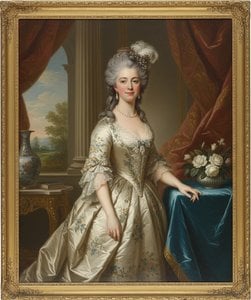
- Retratística: Se convirtió en un cronista muy solicitado de su tiempo, capturando el carisma de actores legendarios como David Garrick y la elegancia aristocrática de figuras como el Dr. Charles Chauncey.
- Encargos Decorativos: Su trabajo para los Vauxhall Pleasure Gardens demostró su habilidad para la narrativa a gran escala, donde utilizó el arte para realzar la experiencia sensorial del público con el ocio y la alegría.
- Temas Bíblicos y Mitológicos: A través de obras como El Buen Samaritano, Hayman utilizó su sensibilidad rococó para explorar temas profundos de compasión, caridad e interacción divina.
En última instancia, la vida de Francis Hayman fue un testimonio del poder de la narrativa visual. Al combinar la teatralidad del escenario con la refinada elegancia del Rococó, creó una obra que sigue siendo una ventana vital a la era de la Ilustración. Su legado persiste no solo en los lienzos que llevan su nombre, sino en la estructura misma de la historia del arte británico, marcándolo como un verdadero pionero que ayudó a elevar el estatus del pintor, de artesano a maestro académico.
Preguntas y respuestas
¿Dónde puedo explorar las obras de Francis Hayman organizadas por color?
La página Índice de color organiza las obras de Francis Hayman por color.
¿En qué ciudad y país nació Francis Hayman?
Francis Hayman nació en Exeter, Reino Unido.
¿Cómo puedo encontrar obras de Francis Hayman sobre un tema específico?
Explora las obras de Francis Hayman mediante palabras clave en su página de Por palabras clave. Cada palabra clave agrupa las obras relacionadas.