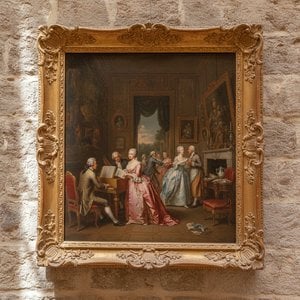
Una vida pintada con luz y domesticidad
Nacida entre los entornos regios del Arvfurstens palats de Estocolmo, Fanny Ingeborg Matilda Brate entró en un mundo donde el arte era un compañero omnipresente. Como hija de Johan Frans Gustaf Oskar Ekbom, un empleado en la casa del futuro rey Oscar II, sus primeros años estuvieron impregnados de la estética refinada de la corte sueca. Esta crianza privilegiada proporcionó más que simple comodidad; ofreció una profunda exposición a diversos medios artísticos que más tarde informarían su toque delicado y su agudo ojo para el detalle. Desde los diez años, Brate comenzó lecciones formales de dibujo y pintura, demostrando un talento innato que eventualmente la conduciría a la prestigiosa Real Academia Sueca de Bellas Artes.
Su viaje educativo estuvo marcado por una búsqueda implacable de la maestría. Tras estudiar en la Escuela de Artes y Oficios, conocida como Konstfack, buscó un mayor refinamiento bajo la guía del maestro August Malmström. Sin embargo, fue su periodo transformador en París lo que verdaderamente remodeló su alma artística. Respaldada por una beca de viaje de la Real Academia, Brate se sumergió en la vibrante atmósfera de la capital francesa, asistiendo a la Académie Colarossi y encontrándose con las obras revolucionarias de los impresionistas. Este encuentro con la luz, el movimiento y la pincelada suelta infundió sus sensibilidades suecas con una nueva y luminosa vitalidad, permitiéndole cerrar la brecha entre el realismo tradicional y el toque impresionista moderno.
El corazón del hogar sueco
Si bien París proporcionó el vocabulario técnico, el corazón de Brate permaneció anclado en los paisajes tranquilos y evocadores de su patria. Se convirtió en una cronista primordial de la vida burguesa sueca del siglo XIX, especializándose en pinturas de género que capturaban los momentos tiernos, a menudo ignorados, de la domesticidad. Sus lienzos sirven como ventanas a una era pasada, retratando madres cuidando de sus hijos, familias reunidas alrededor de las comidas y la serena quietud de interiores bañados por el sol. Hay una calidez palpable en su obra: un sentido de afecto y estabilidad que trasciende la mera representación.
Su evolución técnica le permitió dominar tanto el óleo como la acuarela, utilizando cada uno con distintos fines. En sus óleos, a menudo empleaba matices tonales sutiles y un realismo meticuloso para asentar sus escenas en la realidad, mientras que sus acuarelas permitían una cualidad más etérea y llena de luz. Obras notables como Namnsdag (1902) ejemplifican esta capacidad para capturar un momento tranquilo de celebración familiar con una elegancia atemporal. A través de sus ojos, lo mundano se volvía monumental; una simple tarde al aire libre o un rincón silencioso de una habitación se elevaban a un estudio sobre la paz y el vínculo familiar.
Legado e influencia artística
La importancia histórica de Fanny Brate se extiende mucho más allá de sus logros individuales. Se le cita frecuentemente como una precursora vital e inspiración para el legendario Carl Larsson, cuyas icónicas representaciones de la vida doméstica sueca comparten un profundo parentesco espiritual con la obra de ella. Su capacidad para romantizar lo cotidiano sin sacrificar su verdad sentó las bases para un estilo específico de pintura de género escandinava que celebra la identidad nacional a través del lente del hogar.
A lo largo de su carrera, Brate alcanzó un reconocimiento significativo, incluyendo la prestigiosa Medalla Real en 1885 por su pintura Amigos del Arte (Konstvänner). Esta obra en sí misma es un testimonio de su habilidad, al representar una escena al aire libre de niños reunidos alrededor de un artista trabajando, fusionando su amor por la naturaleza con su dedicación al oficio. Su legado se define por varias contribuciones clave:
- Pionera de la pintura de género: Elevó la representación de la vida familiar cotidiana a una forma de arte respetada y emotiva dentro de Suecia.
- Síntesis técnica: Fusionó con éxito la rigurosa formación de la Academia Sueca con las innovaciones impulsadas por la luz del impresionismo francés.
- Documentación cultural: Proporcionó un registro visual del tejido social y la estética doméstica de la clase media sueca de finales del siglo XIX y principios del XX.
- Papel inspirador: Sirvió como una influencia fundacional para el movimiento más amplio del romanticismo nacional sueco y para artistas como Carl Larsson.
Hoy en día, la obra de Brate continúa resonando, ofreciendo a los espectadores modernos una conexión nostálgica y profundamente conmovedora con los valores perdurables de la familia, la luz y la belleza silenciosa que se encuentra entre las paredes del hogar.
Preguntas y respuestas
¿Existe un recorrido virtual en 3D de las obras de Fanny Brate?
La Museo 3D de Fanny Brate es una página que muestra las obras del artista en una galería virtual tridimensional.
¿Cómo puedo encontrar todas las obras de Fanny Brate en una técnica determinada?
Para encontrar todas las obras de Fanny Brate en una técnica determinada, utilice la página de Todos los medios del artista.
¿Cuántas obras de Fanny Brate hay disponibles para explorar?
Puede explorar 56 obras de arte obras de Fanny Brate en la página Todas las obras.