El Alma del Paisaje Argentino: La Vida y el Legado de Domingo Casimiro
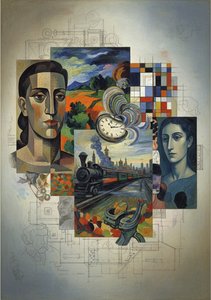
Domingo Casimiro (1882–1969) permanece como una figura profunda en el tapiz de la historia del arte argentino, un artista cuyo pincel poseía la capacidad única de traducir la vasta y silenciosa majestuosidad de su patria en experiencias visuales íntimas. Nacido en la histórica región de Santiago del Estero, los primeros años de Casimiro estuvieron impregnados de las texturas y la luz del paisaje argentino, una base que más tarde le permitiría capturar la esencia misma del espíritu de la nación. Su viaje hacia la maestría comenzó en la Academia Nacional de Bellas Artes en Buenos Aires, una institución donde se sumergió en las rigurosas disciplinas de la anatomía y la perspectiva. Esta formación formal le proporcionó el andamiaje técnico necesario para lograr un realismo asombroso; sin embargo, fue su capacidad para infundir esta precisión con profundidad emocional lo que verdaderamente lo distinguió de sus contemporáneos. A medida que su estilo maduraba, Casimiro comenzó a entrelazar las corrientes estilísticas provenientes de Europa —específicamente la sensibilidad luminosa del Impresionismo y el poder expresivo estructurado del Postimpresionismo— en un lenguaje que se sentía distintivamente sudamericano. Él no se limitaba a replicar el escenario; buscaba evocar atmósferas. Su paleta tendía a menudo hacia tonos tierra y apagados, creando una sensación de belleza serena y grandeza contenida. En sus manos, las vastas llanuras y las accidentadas regiones montañosas de Argentina se transformaron en meditaciones poéticas sobre la luz y la sombra. Existe una quietud palpable en su obra, un sosiego que invita al espectador a demorarse dentro del paisaje y sentir el peso de la historia y la naturaleza entrelazadas.Maestría de la Forma y Resonancia Histórica
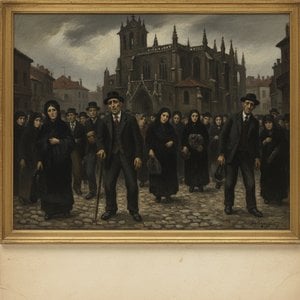
La brillantez técnica de la obra de Casimiro es quizás más evidente en su habilidad para navegar entre lo monumental y lo minucioso. Si bien fue un maestro del paisaje expansivo, su dedicación a la precisión anatómica le permitió ejecutar retratos y estudios arquitectónicos con una exactitud notable. Esta dualidad se captura bellamente en obras como “Iglesia de Santo Domingo el Antiguo”, donde rinde homenaje al legado perdurable de la arquitectura religiosa, haciendo eco sutilmente de la influencia de El Greco a través de su tratamiento de la luz y la forma. Del mismo modo, su representación de "Saõ Domingo," que retrata el Museo Santo Domingo de Perú, demuestra su capacidad para tratar los monumentos históricos con una reverencia que trasciende la simple documentación, convirtiendo la piedra y el mortero en recipientes de memoria cultural. Más allá del lienzo, Casimiro fue un participante vital en la floreciente escena artística argentina. Como miembro respetado de la Sociedad Argentina de Artistas Plásticos, contribuyó a la identidad colectiva de una nación que buscaba definir su propia voz estética en medio de los cambios globales. Su influencia y reconocimiento se extendieron mucho más allá de las fronteras de América del Sur, con sus obras encontrando hogar en prestigiosas colecciones internacionales, incluyendo la Syracuse University Art Collection y el Butler Institute of American Art. A través de su observación meticulosa y su toque expresivo, Domingo Casimiro logró algo extraordinario: capturó un sentido de permanencia en una era de cambios rápidos. Su legado no se encuentra meramente en los museos que albergan sus pinturas, sino en la manera en que enseñó a las generaciones futuras a mirar el paisaje argentino, no solo como tierra y cielo, sino como un alma viva y palpitante capaz de una expresión profunda.- Primeros años: Nacido en Santiago del Estero, Argentina (1882).
- Educación: Formado académicamente en la Academia Nacional de Bellas Artes, Buenos Aires.
- Movimientos artísticos: Influenciado por el Impresionismo y el Postimpresionismo.
- Temas clave: Paisajes argentinos, arquitectura religiosa y retratos atmosféricos.
- Colecciones notables: Syracuse University Art Collection, Butler Institute of American Art.
Preguntas y respuestas
¿Existe una cronología de las obras de Domingo Casimiro?
La página de Cronología de obras del artista presenta las obras de Domingo Casimiro ordenadas por fecha, año tras año.
¿Qué tan populares son las obras de Domingo Casimiro?
La página de Estadísticas de Domingo Casimiro presenta estadísticas calculadas a partir de las obras del artista listadas en este sitio web.
¿En qué movimientos trabajó Domingo Casimiro?
Los movimientos en los que trabajó Domingo Casimiro pueden verse en la página de Todos los movimientos del artista, que agrupa las obras por movimiento.