La esencia de la forma: La vida y el legado de Constantin Brâncuși
Constantin Brâncuși se erige como una figura monumental en la historia de la escultura moderna, reconocido mundialmente por su enfoque revolucionario de la forma y su inquebrantable dedicación a destilar la expresión artística hasta su esencia más pura. Nacido en 1876 en Hădărămaș, Rumanía, Brâncuși emprendió un viaje extraordinario desde sus humildes orígenes para convertirse en uno de los precursores más importantes del arte abstracto. Sus primeros años estuvieron profundamente arraigados en las texturas del folclore y la mitología rumana, una base que le inculcó un aprecio de por vida por las formas orgánicas y las representaciones simbólicas. Esta conexión con su herencia permearía más tarde su visión artística, dotando a su obra de una profundidad espiritual que la distinguía de las abstracciones puramente mecánicas de sus contemporáres.
La trayectoria de la carrera de Brâncuși experimentó una transformación profunda durante su estancia en París entre 1906 y 1914. Inmerso en la floreciente escena de la vanguardia, se involucró con la vibrante energía de la École de Paris, fomentando un diálogo que lo impulsó hacia formas cada vez más reductivas. Si bien su experimentación inicial incluyó la escultura figurativa —notablemente retratos que representaban a campesinos rumanos y demostraban un compromiso con el realismo—, pronto se desplazó decisivamente hacia el sello estilístico de su obra: la búsqueda de la "abstracción espiritual". Brâncuși afirmó con fama mundial: "Esculpo lo que veo. Pero también esculpo lo que sueño", una convicción que lo llevó a priorizar la forma sobre la ornamentación y a capturar conceptos universales a través de formas geométricas simplificadas.
Maestría en el material y el simbolismo
El genio de Brâncuși residía en su capacidad para manipular diversos materiales —mármol, bronce y madera— para evocar respuestas emocionales profundas. Su técnica no consistía simplemente en tallar o fundir, sino en revelar el alma dentro del medio. En obras como El Beso, logró una tierna representación de figuras entrelazadas plasmadas en bronce pulido, creando una obra maestra que encarna la intimidad y la belleza atemporal a través de su simplicidad primitiva y compacta. Esta capacidad para equilibrar el peso y la gracia es igualmente evidente en sus creaciones más etéreas.
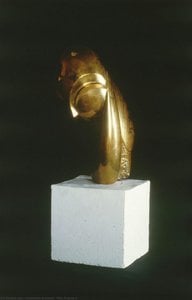
Su exploración del movimiento y la trascendencia alcanzó su cenit en la serie Pájaro en el espacio. Estas esculturas, caracterizadas por sus curvas ascendentes y su delicado equilibrio, sirven como una representación aerodinámica del vuelo aviar, simbolizando la aspiración humana y el ascenso del alma. Más allá de lo celestial, Brâncuși también encontró un significado profundo en lo terrestre y lo sereno. Su obra Negra blanca II utiliza el mármol minimalista para encarnar la dualidad y la serenidad, mientras que Musa durmiente II muestra una fascinante forma de bronce con un tono dorado, capturando una sensación de paz profunda a través de líneas suaves e ininterrumpidas.
Significado histórico y la revolución modernista
La importancia histórica de Constantin Brâncuși es incalculable; fue un pionero que redefinió los límites mismos de lo que la escultura podía ser. Al despojarse de lo superfluo, allanó el camino para gran parte de la abstracción del siglo XX. Su influencia puede rastrearse a través de varios desarrollos artísticos clave:
- La reducción de la forma: Alejó la escultura de la complejidad narrativa y anatómica de Rodin hacia un lenguaje de geometría pura.
- Integración de la materialidad: Su respeto por las propiedades inherentes de la piedra, la madera y el metal influyó en generaciones de modernistas para tratar el material como un sujeto primordial.
- El concepto del pedestal: Brâncuși a menudo trataba la base de sus esculturas como parte de la propia obra de arte, desdibujando la línea entre el objeto y su entorno.
En última instancia, el legado de Brâncuși es uno de profunda simplificación. No se limitó a crear objetos; creó iconos del modernismo que continúan resonando con su poder silencioso y claridad espiritual. A través de su dedicación a la esencia de la belleza, transformó el paisaje del arte contemporáneo, dejando tras de sí un cuerpo de trabajo que permanece tan vital y evocador hoy como lo fue durante su vida.
Preguntas y respuestas
¿Cómo puedo encontrar todas las obras de Constantin Brâncuși por técnica?
Para encontrar todas las obras de Constantin Brâncuși por técnica, visite la página de Todas las técnicas del artista.
¿Qué tan populares son las obras de Constantin Brâncuși?
Puedes consultar la página de Estadísticas de Constantin Brâncuși, donde se presentan estadísticas sobre sus obras en este sitio web.
¿Dónde y cuándo nació Constantin Brâncuși?
Constantin Brâncuși nació en Hădărămaș en 1876.