El Pulso Vibrante de la Protesta: Examinando el Legado Artístico de Chicago Seed
El periódico Chicago Seed, nacido en 1967 en medio del floreciente movimiento contracultural, no fue simplemente una publicación; fue una explosión de color y convicción, un manifiesto visual que capturó el espíritu de su época. Fundada por Don Lewis y Earl Segal, Seed Publishing aspiraba a romper la narrativa convencional que rodeaba eventos históricos cruciales como el juicio de los Ocho de Chicago, Woodstock y el trágico asesinato de Fred Hampton. Al ofrecer una perspectiva ferozmente independiente, impulsada por una política radical y un diseño gráfico psicodélimico asombroso, la publicación se convirtió en mucho más que una fuente de noticias; funcionó como una obra de arte viva que respiraba al unísono con las convulsiones sociales de finales de la década de 1960.
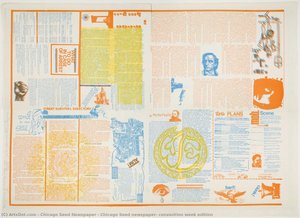
La estética de The Seed no se parecía a nada más que circulaba en Estados Unidos en aquel momento. Bajo la guía visionaria de directores de arte como Eliot Wald y, posteriormente, Lester Dore, el periódico empleó un estilo distintivo caracterizado por paletas de colores audaces —que a menudo incorporaban naranjas intensos, amarillos bañados por el sol y rojos profundos— entretejidos con intrincados patrones geométricos y formas orgánicas sinuosas. Estos elementos visuales nunca fueron meramente decorativos; sirvieron como herramientas poderosas para transmitir emociones puras y estimular la imaginación colectiva de toda una generación. Influenciado por la precisión estructural de Josef Albers y los paisajes oníricos surrealistas de Ernst Fuchs, el equipo de diseño fusionó con maestría los principios de la Bauhaus con imágenes alucinógenas, creando un lenguaje visual que priorizaba el impacto emocional sobre la representación racional.
Un Caleidoscopio de Expresión Psicodélica
Contemplar un ejemplar de The Seed es adentrarse en un caleidoscopio de expresión psicodélica. El arte estaba profundamente entrelazado con la política radical de la era, donde cada línea y cada matiz servían a la causa del cambio social. La capacidad del periódico para documentar la historia a través de imágenes audaces le permitió actuar como cronista de los problemas más complejos de la época, desde el activismo por los derechos civiles hasta el sentimiento antibélico. Cada página era un campo de batalla cuidadosamente compuesto de tinta e idea, donde las fronteras entre el periodismo y las bellas artes se desdibujaban en una experiencia única y cohesiva.
El desarrollo de este lenguaje visual estuvo marcado por varios cambios artísticos fundamentales:
- El Radicalismo Inicial: Los primeros años estuvieron definidos por la energía cruda de sus fundadores, centráéndose en la fricción inmediata del panorama político de Chicago.
- El Apogeo Psicodélico: A medida que crecía el movimiento de la prensa underground, el uso de patrones intrincados y colores de alto contraste se volvió más sofisticado, reflejando las experiencias sensoriales de la época.
- La Integración del Diseño y la Protesta: El dominio del diseño gráfico para enmarcar las noticias —como la cobertura de la Convención Nacional Demócrata de 1968— convirtió al periódico en una herramienta de movilización política.
Significado Histórico e Impacto Duradero
Más allá de sus innovaciones estilísticas, el verdadero mérito de The Chicago Seed reside en su papel como un documento histórico esencial. En su apogeo, la publicación circulaba entre 30,000 y 40,000 ejemplares, logrando una distribución nacional e influyendo en el sindicato de la prensa underground en general. Proporcionó una voz a quienes no la tenían, capturando la tensión, la esperanza y el caos de una década en transición. La capacidad del periódico para mezclar lo político con lo bello aseguró que su legado perdurara mucho después de su última edición en 1974.
El legado artístico de Seed Publishing continúa resonando en la historia del diseño gráfico. Sigue siendo un ejemplo primordial de cómo el medio y el mensaje pueden fusionarse para crear algo transformador. La identidad visual audaz y sin complejos de Chicago Seed sirve como un recordatorio de una época en la que los medios impresos no eran solo portadores de información, sino participantes vibrantes y palpitantes en la lucha por la justicia social y la evolución cultural.