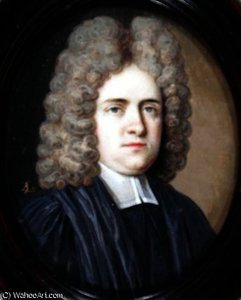
Bernard III Lens: A Legacy of Miniature Painting and Enamel Artistry
Bernard III Lens (1682 – 1740) stands as a prominent figure in the annals of British art during the reign of George I and II, primarily recognized for his exquisite portrait miniatures and skillful enamel work. Born in London, he descended from a family steeped in artistic tradition—his father, Bernard Lens I, was also a painter, establishing a lineage dedicated to visual representation that would continue through his son and grandson. This familial commitment fostered an environment conducive to artistic pursuits and ensured the preservation of techniques honed over generations.
Lens’s artistic journey began with training under renowned artists like Jonathan Richardson Sr., whose influence can be discerned in the stylistic nuances of his early works. Richardson championed a theatrical approach to portraiture, prioritizing psychological insight alongside accurate likeness—a characteristic that resonated deeply within Lens's oeuvre. He skillfully captured not merely physical appearance but also character and emotion, elevating miniature portraits beyond mere representations into nuanced explorations of human psychology. His meticulous attention to detail and dramatic lighting techniques reflected Richardson’s vision for portraying subjects with depth and complexity.
His output encompassed a diverse range of subjects, reflecting the tastes and sensibilities of his aristocratic patrons. Landscapes were equally important to Lens’s artistic repertoire, demonstrating an appreciation for the natural world alongside formal portraiture. He produced serene depictions of English countryside vistas—often bathed in soft light—that conveyed both grandeur and tranquility. These landscapes served as a counterpoint to the intimate portraits he executed, showcasing his versatility as an artist and highlighting his understanding of visual harmony.
However, it was his mastery of enamel painting that cemented his reputation as a true innovator. Enamel, a technique dating back millennia, involved fusing powdered glass onto metal surfaces—a laborious process demanding precision and patience. Lens achieved remarkable brilliance and depth in his enamel creations, utilizing layering and translucent pigments to produce luminous images imbued with ethereal beauty. This dedication to craftsmanship distinguishes him from many of his contemporaries and underscores the importance of meticulous execution in achieving artistic excellence. He experimented with innovative color palettes and textural effects—pushing the boundaries of enamel artistry—resulting in artworks that captivated viewers with their otherworldly glow.
Among his most celebrated commissions were portraits of members of the royal family, notably George II, where he produced images that conveyed regal dignity and sophistication. These miniature portraits served as visual emblems of power and prestige—reflecting the artistic standards of the era. Furthermore, Lens’s work gained recognition within European artistic circles, showcasing British artistry on an international stage. His reputation extended beyond England, securing him a place in the history of decorative arts.
Bernard III Lens's legacy persists today through reproductions of his paintings and enamels available on platforms like WahooArt.com, allowing enthusiasts worldwide to appreciate the enduring beauty and technical sophistication of his artistic vision. He remains an exemplar of British miniature painting and enamel artistry—a testament to a family’s dedication to preserving artistic traditions and pushing the boundaries of visual expression during a transformative period in European history.