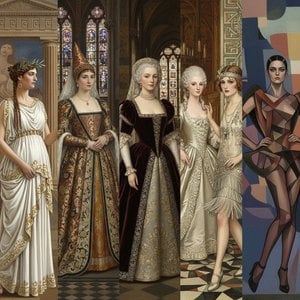
Una visionaria que moldeó la moda polaca entre restricciones ideológicas
Barbara Hoff, nacida en 1932 en el corazón industrial de Katowice, Polonia, se erige como una figura singular en los anales del diseño del siglo XX. Su vida y obra representan mucho más que meras elecciones estéticas; encarnan el espíritu de creatividad y resiliencia necesario para florecer durante la restrictiva era de la Polonia comunista. Al fundamentar sus sensibilidades artísticas en una profunda comprensión de la cultura visual a través de sus estudios en la Universidad Jaguelónica, Hoff desarrolló una perspectiva que trascendió los límites de la moda tradicional. No se limitó a diseñar prendas; ideó una forma para que los individuos recuperaran su identidad dentro de un paisaje de uniformidad ideológica.
Su viaje hacia la conciencia pública no comenzó en una pasarela, sino a través de la palabra escrita. Como periodista de Przekrój, una revista semanal reconocida por su postura progresista y socialmente consciente, Hoff perfeccionó una destreza observacional que le permitió capturar el pulso de una sociedad en constante cambio. Sus escritos se convirtieron en un medio vital para explorar el floreciente mundo de la moda, donde analizaba las tendencias emergentes y abogaba por un enfoque más experimental del estilo personal. A través de sus columnas, defendió la idea de que la moda podía ser una herramienta de autoexpresión incluso cuando los recursos escaseaban, tendiendo un puente entre el gran arte y la vida cotidiana.
El fenómeno Hoffland y el desafío cultural
Quizás el capítulo más profundo de su carrera fue la creación de Hoffland. Al reconocer el inmenso potencial de la creatividad DIY en medio de las limitaciones de la producción controlada por el Estado, Hoff fundó esta iniciativa de moda para priorizar diseños accesibles y colecciones producidas en masa. Este esfuerzo fue un acto deliberado de desafío cultural. En una época en la que los bienes de consumo solían ser monótonos y difíciles de obtener, Hoffland aportó una sensación de vitalidad e individualidad. Transformó la necesidad de la improvisación en una forma de arte celebrada, alentando a su audiencia a convertir tejidos sencillos en declaraciones sofisticadas.
El impacto de su trabajo se extendió profundamente al tejido visual de la cultura polaca. Su influencia no se limitó a la página impresa o a las tiendas minoristas; fluyó también hacia las artes cinematográficas. Como diseñadora de vestuario para películas notables, utilizó su meticulosa atención al detalle y su capacidad para transmitir emociones complejas a través de la narrativa visual para crear personajes memorables. Sus diseños nunca consistieron solo en cubrir el cuerpo; se trataba de narrar una historia, reflejando las luchas internas y los triunfos de la época.
Legado de innovación y exploración artística
Más allá de las prendas tangibles y los vestuarios cinematográficos, las contribuciones intelectuales de Hoff siguen siendo una piedra angular de su legado. Poseía una capacidad poco común para conectar puntos entre mundos dispares, siendo autora de libros perspicaces que profundizaban en la historia del arte y exploraban las intrincadas conexiones entre los movimientos artísticos y las transformaciones sociales. Esta profundidad académica le permitió ver la moda como parte de un continuo histórico mucho más amplio, donde cada puntada y silueta reflejaba las mareas cambiantes de la política y la cultura.
Hoy en día, la obra de Barbara Hoff se recuerda por su audaz uso del color y su perdurable espíritu de innovación. Sus logros pueden resumirse a través de varios pilares clave de su carrera:
- Democratización del estilo: Hacer que la moda fuera accesible para las masas mediante el uso ingenioso de colecciones producidas en masa y técnicas DIY.
- Influencia periodística: Utilizar Przekrój como plataforma para desafiar la estética establecida y promover valores sociales progresistas.
- Arte cinematográfico: Realzar el poder narrativo del cine a través de un diseño de vestuario evocador e históricamente resonante.
- Resiliencia cultural: Crear un sentido de agencia individual y libertad estética dentro de las limitaciones de un régimen comunista.
Barbara Hoff sigue siendo un icono de la creatividad polaca, una diseñadora que comprendió que el verdadero estilo nace de la capacidad de encontrar belleza y distinción incluso en las circunstancias más desafiantes.
Preguntas y respuestas
¿Puedo estudiar el uso del color de Barbara Hoff en toda su obra?
El perfil cromático de la obra de Barbara Hoff se muestra en la página Genoma de la Paleta del artista.
¿Dónde se pueden explorar las obras de Barbara Hoff clasificadas por tema?
El Atlas de temas de Barbara Hoff es una página que organiza las obras del artista según sus temas.
¿Puedo ordenar las obras de Barbara Hoff por color?
El Índice Espectral de Barbara Hoff es una página que organiza las obras del artista por sus colores.