El Pintor de la Alegoría y el Esplendor Imperial
Antoine François Callet, a menudo conocido simplemente como Antoine Callet, permanece como una figura luminosa en el gran tapiz del arte francés de finales del siglo XVIII. Su vida y su carrera se desarrollaron bajo un trasfondo de profunda transformación histórica, abarcando desde el crepúsculo del Antiguo Régimen bajo Luis XVI hasta el amanecer de la era napoleónica. Nacido en París en 1741, Callet emergió como un maestro tanto del retrato íntimo como de la alegoría monumental, un pintor capaz de capturar los delicados matices psicológicos de un monarca mientras, simultáneamente, orquestaba vastas narrativas celestiales en los techos de los palacios más prestigiosos de Francia.
El viaje de Callet hacia la maestría artística estuvo pavimentado con los prestigiosos reconocimientos del sistema académico francés. Su talento fue reconocido formalmente cuando ganó el grand prix de Rome en 1764 con su evocadora obra, Cléobis et Biton conduisent le char de leur mère au temple de Junon. Este triunfo le otorgó la invaluable oportunidad de estudiar en Italia, donde las sombras de maestros como Caravaggio y la dramática energía arquitectónica de Bernini dejaron una huella indeleble en su técnica. Fue durante estos años formativos en Roma cuando Callet refinó su uso del chiaroscuro y aprendió a infundir temas clásicos con un sentido de movimiento teatral, una habilidad que más tarde definiría sus composiciones más celebradas.
Un Maestro del Retrato Real y la Grandeza
A su regreso a Francia, Callet ascendió a los más altos escalafones del mundo del arte, asegurando una posición dentro de la Académie Royale de peinture et de sculpture. Su capacidad para combinar la elegancia del estilo rococó con la disciplina emergente del neoclasicismo lo convirtió en la elección predilecta de la nobleza y la realeza francesas. Quizás su legado más perdurable reside en su papel como retratista oficial de Luis XVI. En obras como su retrato del Rey de 1779, Callet hizo más que simplemente registrar un parecido; construyó un icono de soberanía. A través de la meticulosa representación de las túnicas ribeteadas de armiño y la colocación estratégica de la flor de lis, utilizó el lenguaje del simbolismo para proyectar estabilidad y derecho divino durante un período de creciente tensión política.
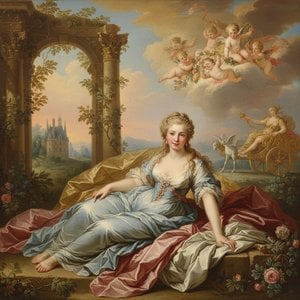
Más allá del retrato individual, el genio de Callet floreció en el ámbito de la pintura decorativa a gran escala. Poseía una capacidad inusual para transformar espacios arquitectónicos en reinos mitológicos envolventes. Sus contribuciones a la Galerie d'Apollon en el Louvre, específicamente su impresionante fresco de techo Le Printemps ou Zéphire et Flore couronnant de fleurs Cybèle, demuestran su dominio sobre el color y la perspectiva ilusionista. En estas obras, los límites entre la sala física y los cielos pintados se disuelven, invitando al espectador a una sinfonía de oro, azur y primavera eterna.
Legado de una Era en Transición
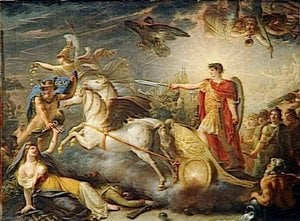
La importancia de la obra de Callet se extiende mucho más allá de la mera decoración; su trabajo sirve como una crónica visual de un mundo en constante cambio. Mientras Francia transitaba desde el esplendor decadente de la monarquía, pasando por la agitación de la Revolución, hasta las ambiciones imperiales de Napoleón, el pincel de Callet capturó los valores estéticos cambiantes de la época. Su habilidad para navegar entre la gracia ornamental del Rococó y la nobleza estructurada del Neoclasicismo le permitió mantenerse vigente a través de décadas de intensos cambios sociales.
Estudiar las obras de Antoine François Callet es presenciar el latido de la historia francesa a través de la pintura y el pigmento. Sus logros incluyen:
- Excelencia Académica: La obtención del prestigioso Prix de Rome, que estableció sus bases en la antigüedad clásica.
- Patrocinio Real: Servir como el principal arquitecto visual de la identidad de Luis XVI.
- Transformación Arquitectónica: La creación de monumentales pinturas de techo que redefinieron la grandeza interior de palacios franceses como el Palais du Luxembourg.
- Síntesis Estilística: Lograr unir con éxito la brecha entre las líneas emotivas y fluidas del Rococó y los temas heroicos y disciplinados del Neoclasicismo.
Hoy en día, las pinturas de Callet se erigen como ventanas a una época perdida de elegancia, recordándonos un tiempo en que el arte se utilizaba para tejer los hilos del mito, el poder y la emoción humana en un único y magnífico tapiz.
Preguntas y respuestas
¿En qué movimientos participó Antoine Callet?
Puedes explorar las obras de Antoine Callet por movimiento en su página de Todos los movimientos.
¿En qué ciudad y país nació Antoine Callet?
Antoine Callet nació en París, Francia.
¿De dónde es Antoine Callet?
Antoine Callet nació en Francia.