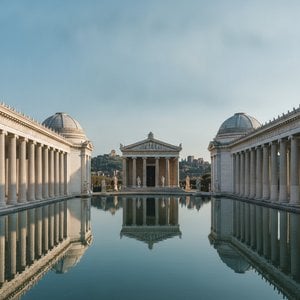
Una visionaria de la era neoclásica
En la atmósfera vibrante e intelectualmente cargada del siglo XVIII, pocas figuras inspiraban tanto respeto y gracia como Angelica Kauffmann. Nacida como Maria Anna Angelika Kauffmann el 30 de octubre de 1741 en Coira, Suiza, su vida fue una composición magistral de fluidez cultural y ambición artística. Niña prodigio que poseía tanto talento musical como un dominio precoz de cuatro idiomas —alemán, italiano, francés e inglés—, se desplazó por los grandes centros artísticos de Europa con una naturalidad que desafiaba su corta edad. Su formación temprana, supervisada por su padre, el hábil muralista Joseph Johann Kauffmann, sentó las bases de una carrera que trascendería las limitaciones impuestas a menudo a las mujeres de su época. A la edad de doce años, ya atraía la atención de nobles mecenas y del clero, con un talento floreciente que actuaba como un faro en los competitivos mundos del arte en Italia e Inglaterra.
El viaje de Kauffmann fue uno de movimiento constante y conexión profunda. Al transitar desde sus raíces suizas hacia las bulliciosas calles de Londres y el esplendor clásico de Roma, su obra comenzó a reflejar un compromiso profundo con los ideales de la Ilustración: orden, claridad y virtud clásica. Su llegada a Londres marcó un capítulo transformador; su debut en la Society of Artists en 1765 señaló la aparición de una fuerza profesional que pronto remodelaría la escena artística británica. Fue durante este período cuando forjó un vínculo duradero con Sir Joshua Reynolds, una relación construida sobre el respeto artístico mutuo y la experimentación compartida con el estilo neoclásico. A través de sus ojos, las antiguas leyendas de Grecia y Roma no eran meras reliquias del pasado, sino narrativas vivas y palpitantes, capaces de expresar la emoción humana contemporánea.
Maestría de la forma y la narrativa
La brillantez de la obra de Kauffmann reside en su capacidad para navegar por diversos géneros con igual virtuosismo. Si bien fue una retratista muy solicitada, capturando la elegancia y el estatus social de la élite europea, fueron sus pinturas históricas las que aseguraron su lugar en el panteón de los grandes maestros. Estas obras, a menudo centradas en temas clásicos, literarios o religiosos, utilizaban una luz suave y composiciones equilibradas para evocar una sensación de atemporalidad. Ya fuera representando la virtud estoica de Cornelia Africana o la dignidad íntima que se encuentra en sus retratos familiares, poseía un don único para dotar a sus sujetos de una profundidad psicológica serena que resonaba con la preferencia neoclásica por la belleza idealizada.
Más allá del lienzo, Kauffmann fue una pionera del arte decorativo, llevando su sofisticada estética a murales y diseños a gran escala. Su habilidad técnica le permitió manipular la textura y la luz, como se observa en la delicada representación de los tejidos o en los paisajes atmosféricos que a menudo servían de telón de fondo a sus figuras. Esta versatilidad aseguró que su influencia se sintiera no solo en las galerías, sino en el tejido mismo del diseño de interiores aristocrático. Su capacidad para combinar la escala monumental de la pintura histórica con la refinada intimidad del retrato le permitió hablar tanto a la sensibilidad intelectual como a la emocional de su audiencia.
Legado y trascendencia histórica
La importancia histórica de Angelica Kauffmann se extiende mucho más allá de sus logros individuales; fue una pionera que rompió los techos de cristal del establecimiento artístico del siglo XVIII. En 1768, alcanzó la extraordinaria distinción de ser nombrada una de las dos fundadoras mujeres de la Royal Academy of Art en Londres, junto a Mary Moser. Este hito representó una victoria profunda para las mujeres en las artes, demostrando que el intelecto y la destreza técnica femenina podían sostenerse con autoridad dentro de las instituciones más prestigiosas de la época.
Hoy en día, su legado se preserva en los museos más venerables del mundo, desde la Tate Britain y los Uffizi hasta el Metropolitan Museum of Art. Su obra sigue siendo un punto de referencia vital para comprender el movimiento neoclásico, un período definido por el retorno a la sencillez clásica y la reverencia por la antigüedad. Al contemplar sus retratos y escenas históricas, vemos más que simples imágenes hermosas; vemos el espíritu perdurable de una artista que navegó un mundo en constante cambio con una gracia inigualable, dejando tras de sí un testimonio visual del poder de la creatividad humana y el triunfo de la voluntad artística.
Preguntas y respuestas
¿De dónde es Angelica Kauffmann?
Angelica Kauffmann nació en Suiza.
¿Puedo explorar las obras de Angelica Kauffmann por tema?
El Atlas de temas de Angelica Kauffmann es una página que organiza las obras del artista según sus temas.
¿Dónde puedo ver las obras de Angelica Kauffmann en orden cronológico?
Existe una cronología de las obras de Angelica Kauffmann: la página Cronología de obras del artista ordena las obras por fecha de creación.