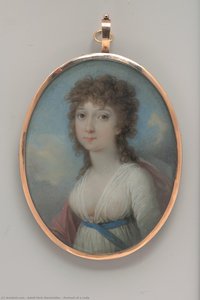
Adolf Ulrik Wertmüller: Uniendo el Idealismo Francés y el Retrato Americano
Adolf Ulrik Wertmüller (1751-1811) se erige como una figura fundamental en la historia del arte sueco, reconocido principalmente por sus elegantes retratos —especialmente aquellos que capturan la esencia de la realeza— y por su exploración pionera del desnudo femenino dentro del floreciente movimiento neoclásico. Nacido en Estocolmo, el viaje artístico de Wertmﻠüller comenzó con estudios informales antes de embarcarse en una formación académica en su propio hogar, preparando el escenario para su traslado a París en 1772. Allí, perfeccionó sus habilidades bajo la tutela de su primo, Alexander Roslin, y abrazó las innovaciones estilísticas defendidas por Joseph-Marie Vien. Esta inmersión parisina moldeó profundamente la sensibilidad artística de Wertmüller, alineándolo con la influyente Escuela Francesa, que priorizaba la gracia y la belleza idealizada por encima del realismo estricto.- Primeros años y formación: Los años formativos de Wertmüller inculcaron un profundo aprecio por la estética clásica, piedra angular de sus posteriores esfuerzos artísticos. Sus vínculos familiares con artistas prominentes como Gustav Hesselius nutrieron aún más su espíritu creativo.
- <Influencia parisina y desarrollo artístico: La estancia de Wertmüller en París resultó transformadora, exponiéndolo a las vibrantes corrientes intelectuales y artísticas de la era de la Ilustración. Sus colaboraciones con Vien fomentaron un dominio de la técnica y consolidaron su compromiso con los principios neoclásicos.
- <Encargos reales y reconocimiento: Wertmüller alcanzó un notable prestigio gracias a prestigiosos encargos de Gustavo III de Suecia, asegurando especialmente el retrato de María Antonieta, una obra maestra que continúa resonando como un emblema de la excelencia artística sueca.
Danae y el polémico debut del desnudo femenino
La obra magna de Wertmüller, “Danae recibiendo a Júpiter en una lluvia de oro” (1787), representa una audaz ruptura con las convenciones artísticas predominantes. Ejecutada durante un período en el que la pintura neocláscia estaba dominada en gran medida por figuras masculinas desnudas —a menudo representaciones idealizadas de la belleza masculina—, Wertmüller presentó valientemente a Danae, la reina mitológica seducida por Zeus disfrazado de Júpiter, como sujeto del desnudo femenino. Esta audaz decisión desató un considerable debate y controversia en los círculos artísticos americanos en el momento de su exhibición, marcando a Wertmüller como uno de los primeros artistas en defender esta estética provocativa. La vibrante paleta de colores de la pintura —particularmente el oro luminoso— subraya la habilidad excepcional de Wertmüller para transmitir emoción y grandeza.Retratos de Washington: Una síntesis de estilo
La reputación artística de Wertmüller se extendió más allá de Suecia, logrando reconocimiento internacional a través de sus retratos de George Washington. El artista produjo cinco lienzos que representan al presidente estadounidense, demostrando una comprensión matizada del retrato tanto como semejanza física como representación simbólica. El relato de Elizabeth Johnston en “Original Portraits of Washington” destaca el enfoque estilístico de Wertmüller, caracterizado por una meticulosa atención al detalle y, al mismo tiempo, la adhesión a los ideales de la Escuela Francesa; esto resultó en obras que capturaron la presencia digna de Washington y transmitieron su carácter con una sutileza extraordinaria. Uno de estos retratos, adquirido por el gobierno de los EE. UU. en 1878, permanece como un tesoro invaluable de la historia del arte americano.Legado y trascendencia artística
La contribución de Wertmüller al arte sueco es innegable: sus retratos consolidaron su lugar como uno de los artistas más destacados de Suecia a finales del siglo XVIII. Sus innovaciones estilísticas, particularmente su magistral uso del color y su disposición para desafiar las normas artísticas, influyeron en las generaciones posteriores de pintores. La exploración de Wertmüller sobre el desnudo femenino permanece como un testimonio de su coraje artístico y curiosidad intelectual, cimentando su legado como pionero de la estética neoclásica y asegurando su reconocimiento perdurable en los anales de la historia del arte. Su artículo en la *Appletons' Cyclopædia of American Biography* resume acertadamente su destreza artística: “aunque son la obra de un excelente artista, difícilmente tienen éxito como retratos, pues Wertmüller pertenecía a esa escuela francesa idealista que solía sacrificar la verdad de la naturaleza en favor de la elegancia en la ejecución”. El texto continúa señalando: “se le destacó especialmente por su colorido vívido, siendo 'Danae' un buen ejemplo de sus facultades en ese aspecto”.Preguntas y respuestas
¿Qué colores utilizaba con más frecuencia Adolf Ulrik Wertmüller?
El perfil cromático de la obra de Adolf Ulrik Wertmüller se muestra en la página Genoma de la Paleta del artista.
¿Puedo ordenar las obras de Adolf Ulrik Wertmüller por color?
Las obras de Adolf Ulrik Wertmüller pueden explorarse por color en la página Índice Espectral del artista.
¿Cuál es el lugar y el año de nacimiento de Adolf Ulrik Wertmüller?
Adolf Ulrik Wertmüller nació en Estocolmo en 1751.