El Cronista del Esplendor del Siglo XVII
Abraham Bosse se erige como una figura fundamental en el arte barroco francés, celebrado principalmente por sus revolucionarios grabados que capturaron el vibrante tapiz del París del siglo XVII y sus círculos aristocráticos. Nacido de padres hugonotes en Tours, Francia —una ciudad marcada por los conflictos religiosos—, los años formativos de Bosse le inculcaron un profundo aprecio por el detalle y la observación, cualidades que definirían su visión artística a lo largo de su prolífica carrera. Su padre era sastre, lo que proporcionó a Bosse una comprensión temprana del oficio y de la representación meticulosa, habilidades que más tarde traduciría en la exigente precisión de sus estampas.
La trayectoria de su vida dio un giro decisivo cuando se desplazó hacia horizontes más amplios, emprendiendo un aprendizaje formal con Melchior Tavernier, un grabador y editor nacido en Amberes, alrededor de 1620. Esta asociación resultó instrumental para establecer su reputación como uno de los impresores más destacados de la época. La influencia de Tavernier fue más allá de la mera guía técnica; fomentó la creciente fascinación de Bosse por la innovación artística y lo alentó a explorar temas diversos. Sus primeros aguafuertes, notablemente aquellos producidos bajo el patrocinio de Tavernier, demostraron una sensibilidad estilística naciente arraigada en las tradiciones artísticas holandesas y flamencas, una elección deliberada que honraba los precedentes establecidos mientras les inyectaba sutilmente matices distintivamente franceses.
Maestría Técnica y la Influencia de Callot
Un encuentro crucial con Jacques Callot en París, hacia 1630, alteró irrevocablemente la trayectoria artística de Bosse. Las revolucionarias técnicas de grabado de Callot —caracterizadas por un nivel extraordinario de detalle textural y una manipulación magistral de la gradación tonal— se convirtieron en una inspiración inmediata para Bosse, quien adoptó con entusiasmo estas innovaciones. Este abrazo al enfoque de Callot dio como resultado estampas que poseían un realismo sin parangón, permitiendo a Bosse representar las delicadas texturas del encaje, el brillo de la seda y las complejas perspectivas arquitectónicas de los interiores parisinos con una claridad asombrosa.
La obra de Bosse a menudo trascendía la simple documentación, adentrándose en el reino del comentario social y la profundidad alegórica. Su capacidad para entrelazar lo cotidiano con lo magnífico es evidente en varios temas clave de su producción:
- La elegancia del ritual social: A través de obras como Sociedad Musical (1635), capturó las reuniones animadas y sofisticadas de la élite parisina, documentando la etiqueta social y la cultura musical de la época.
- Alegorías sensoriales: En obras maestras como Los cinco sentidos: el oído (1635), Bosse utilizó su destreza técnica para explorar la percepción humana, mezclando escenas de músicos y drama histórico en una composición única y evocadora.
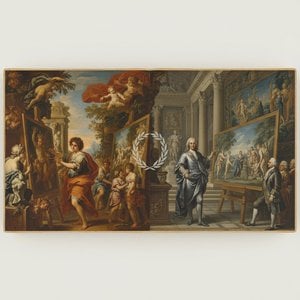
- Grandeza narrativa: Sus grabados, incluyendo Roger mostrando una galería de pinturas a varios cardenales (1656), demostraron su capacidad para la narración dramática, utilizando detalles intrincados para representar figuras bíblicas en medio de intrigas cortesanas.
Legado y Significado Histórico
Más allá de la plancha de cobre, el impacto de Bosse en el mundo del arte fue institucional y perdurable. Como miembro fundador de la Académie Royale, ayudó a dar forma a los estándares formales del arte francés, asegurando que la precisión y el rigor observacional que defendía se convirtieran en sellos distintivos del estilo nacional. Su meticulosa atención a la moda y al diseño de interiores ha convertido su obra en una fuente primaria invaluable para los historiadores que buscan comprender la cultura material del siglo XVII.
La influencia de la mezcla única de realismo e innovación técnica de Bosse se extendió mucho más allá de las fronteras de Francia, alcanzando a maestros posteriores como William Hogarth. Al tender un puente entre las meticulosas tradiciones del norte de Europa y la creciente grandeza del Barroco francés, Abraham Bosse creó un lenguaje visual que sigue siendo tan cautivador hoy como lo fue durante el reinado de Luis XIV. Su legado perdura en cada fina línea de sus grabados, que continúan insuflando vida al mundo desaparecido de la antigua París.
Preguntas y respuestas
¿Cómo puedo seguir la obra de Abraham Bosse año tras año?
La página de Cronología de obras del artista presenta las obras de Abraham Bosse ordenadas por fecha, año tras año.
¿En qué ciudad y país nació Abraham Bosse?
Abraham Bosse nació en Tours, en Francia.
¿Dónde se encuentran las obras de Abraham Bosse agrupadas por palabras clave?
La página Por palabras clave de Abraham Bosse agrupa las obras del artista por sus palabras clave.