Explore Tang Dynasty art – serene landscapes & intricate silk paintings from China's golden age. Discover iconic works reflecting a rich cultural heritage.
The practice begins long before the brush touches the surface. It starts with the rhythmic, meditative grinding of an ink stick against a stone, a process where pigment meets water to create a spectrum of darkness. This is not a mere preparation of color, but a ritual of focus. The materials are specific and demanding: brushes crafted from the hair of goat, wolf, or rabbit, tapered to a fine point to allow for both the sweeping gesture and the minute detail. These tools meet the absorbent embrace of Xuan paper or silk, surfaces that do not forgive a hesitant hand.
In the Tang dynasty, the foundations of this medium were laid as artists moved away from the literalism of earlier eras. The focus shifted toward the interplay of ink and water, where the density of the wash becomes a language of its own. Just as the early masters sought to capture the essence of a mountain through the varying pressure of a single stroke, the modern collector finds a similar depth in the intentionality of the medium. The physical weight of the ink on the paper provides a tactile reality that digital reproductions cannot replicate.
The Architecture of the Stroke: Technique and Tonal Nuance
To master ink wash is to master the control of moisture and pressure. A single brush, loaded with varying amounts of ink, can produce a range of tones from a deep, obsidian black to a translucent, silvery gray. This is achieved through the differential grinding of the ink and the careful manipulation of the brush's load. The technique of wet-on-wet application allows for soft, atmospheric transitions, while the "axe-cut" strokes perfected by painters like Li Tang provide a rugged, structural clarity to landscapes.
This technical precision finds a historical echo in the meticulous layering of light and shadow in Western traditions, yet the intent remains distinct. Where a Western painter might use pigment to build volume, the ink wash artist uses the absence of ink to define form. The result is a composition that relies on the virtuoso movement of the hand, where every dot and dash is a deliberate decision. It is a discipline of economy, where the most profound expressions are often found in the simplest gestures.
The Sacred Void: Zen Philosophy and the Power of Emptiness
Zen’en was a Japanese Zen monk and prolific painter known for his expressive calligraphy and wood sculptures embodying the Zen spirit. His work, like 'Bodhisattva Kshitigarbha (Jizo Bosatsu)', reflects traditional East Asian style and serene beauty.
In the Western tradition, the canvas is often viewed as a space to be filled, a vacuum to be conquered by color and light. In the mastery of the East, however, the white expanse of the paper is an active participant in the work. This concept of Ma, or the void, is central to the Zen philosophy that informs much of ink wash painting. The emptiness is not a lack of content; it is the mist that settles in a valley, the sky that holds the clouds, and the silence that allows the subject to breathe.
This reverence for the unpainted finds its roots in the meditative practices of the scholar-officials and monks. By leaving space, the artist invites the viewer to complete the landscape within their own mind. This dialogue between the mark and the void creates a sense of vastness and solitude. It is a visual representation of the Zen belief in the interconnectedness of all things, where what is seen is inseparable from what is left unseen.
Beyond Mimicry: The Pursuit of Spirit Over Form
The objective of the ink wash master is not the photographic imitation of nature, but the capture of its spirit. This is the distinction between the descriptive and the expressive. A painter might render a bamboo stalk with precise lines, but the true goal is to convey the resilient, swaying essence of the plant through the rhythm of the brushwork. This pursuit of the "inner life" of a subject allows the artist to transcend the physical world.
This philosophy mirrors the shift in art history toward expressionism, where the internal state of the artist becomes the primary subject. In the hands of a master, a landscape is not a map of a place, but a map of a state of mind. The brushwork becomes a direct extension of the artist's breath and intention, prioritizing the vitality of the line over the accuracy of the contour.
The Monastic Lineage: Zen Influence and the Spread of Suibokuga
The movement of ink wash painting across borders is a testament to its spiritual potency. In the 14th century, Zen Buddhist monks introduced these techniques to Japan, where they evolved into the distinct style of Suibokuga. Japanese masters like Sesson Shukei and Hasegawa Tōhaku looked to the Chinese Song dynasty masters, such as Muqi, to find a visual language for their own spiritual inquiries. They did not merely copy; they internalized the aesthetic of the monochrome, adapting it to the specific sensibilities of Japanese Zen.
This lineage created a bridge between the scholarly traditions of China and the monastic traditions of Japan. The influence of Muqi’s animal studies and landscapes can be seen in the gestural, organic shapes that define much of Japanese ink art. This cross-cultural exchange ensured that the principles of ink and wash would remain a cornerstone of East Asian visual identity for centuries.
The Persistent Echo: Ink Wash in Contemporary Visual Language
While the classical era has passed, the principles of ink wash continue to resonate in the modern era. We see this influence in the minimalist movements of the twentieth century and in the contemporary exploration of the "gestural mark." Even in the realm of modern media, such as the unique Chinese ink-wash animation style seen in works like The Cowboy's Flute, the aesthetic of the wash provides a sense of poetic movement that modern digital tools struggle to replicate.
At WahooArt.com, we recognize this enduring legacy. We provide a way for the modern collector to bring this meditative elegance into their own space, whether through high-quality reproductions of the old masters or through custom commissions that reimagine these traditions. From the hand-painted depth of an oil reproduction to the curated selection of historical landscapes, we honor the profound dialogue between the brush and the void.
Una obra maestra de Mondrian que expresa armonía universal mediante líneas verticales y horizontales en colores primarios como el amarillo y el blanco.
Liu Songnian
b. 1174 · Hangzhou, República Popular China
Liu Songnian (1174-1224) fue un pintor del siglo XII clave de la dinastía Song del Sur, reconocido por sus paisajes en tinta monocolor y su influencia en el …
¡Hola! Puedo ayudarte a elegir una obra de arte, realizar el seguimiento de un pedido o resolver tus dudas sobre la garantía. ¿En qué puedo ayudarte hoy?



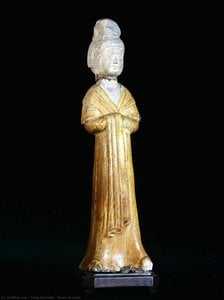 Tang Dynasty
 Zen'en


