Discover Anton Raphael Mengs (1728-1779), a key figure transitioning from Baroque to Neoclassical art. Explore his frescoes, portraits & influence on Winckelmann's revival of classical ideals.
James Lynwood Palmer (1868-1941) was a British artist renowned for his captivating equine paintings, particularly racehorses. Explore his landscapes & portraits at WahooArt.
Discover Sir William Allan (1782-1850), a prominent Scottish painter renowned for captivating historical scenes, portraits & landscapes. Explore his influence on Scottish art and legacy at the National Galleries of Scotland. Handmade oil painting rep
A Symphony of Stone and Soil: The Living Artistry of Mount Stewart
Nestled along the tranquil shores of Strangford Lough in County Down, Mount Stewart emerges not merely as a historic estate, but as an immersive masterpiece where the boundaries between architectural grandeur and horticultural brilliance dissolve. Managed by the
National Trust
, this Northern Irish jewel serves as a profound testament to generations of passionate stewardship, offering a journey through a landscape that is as much a work of art as any canvas hanging in a gallery. The estate embodies a rare, symbiotic relationship between the built environment and the natural world, where every terraced lawn and neo-classical pillar has been orchestrated to evoke deep emotional responses, inviting visitors to witness the enduring dialogue between human ambition and organic beauty.
The architectural soul of the estate is defined by its refined neo-classical elegance, a style that speaks to the social hierarchies and aesthetic aspirations of 19th and 20th-century Ireland. The house itself, with its symmetrical grace and sophisticated interiors, provides a stately backdrop to the sprawling landscapes beyond. Yet, to truly grasp the artistic vision of Mount Stewart, one must wander through its internationally acclaimed gardens, which unfold like chapters in a captivating narrative. These are not merely decorative spaces but meticulously crafted environments designed to transport the soul. The
Italian Garden
, with its classical statuary and structured terraces, echoes the sun-drenched romanticism of Tuscany, while the
Spanish Garden
offers a vibrant, exotic escape, rich with Moorish influences and opulent textures that reflect Lady Edith Stewart’s adventurous botanical spirit.
A Legacy Etched in Landscape and History
The history of Mount Stewart is etched into the very soil and stone of the demesne, tracing a lineage from an 18th-century farmstead to a magnificent aristocratic seat. The evolution of the estate reflects the changing tides of taste, from the rugged, geological fascination of the Victorian Rock Garden to the whimsical theatricality of the Temple of the Winds. This architectural folly, perched high above the lough, exemplifies the era's penchant for landscape design as a form of storytelling. As one moves through the estate, the interplay between the formal rigidity of the neo-classical structures and the wild, untamed beauty of the surrounding woodlands creates a harmonious tension that has long inspired artists, collectors, and designers alike.
Beyond its permanent splendor, Mount Stewart continues to serve as a vibrant cultural hub, hosting exhibitions that bridge the gap between historical tradition and contemporary innovation. From retrospective displays of
Irish Impressionism
to delicate explorations of botanical art, the estate fosters a continuous dialogue with the wider art world. This commitment to cultural preservation is matched by an unwavering dedication to conservation, ensuring that the meticulous plant propagation programs and structural restorations keep this sanctuary alive. For the art lover or the interior enthusiast, Mount Stewart offers more than just a visit; it provides a profound lesson in how landscape, architecture, and history can converge to create a timeless, living masterpiece of aesthetic perfection.
By the WahooArt.com Editorial Team
Art Quiz
There is only one correct answer for each question.
Question 1:
What architectural style characterizes Mount Stewart?
Question 2:
Which garden at Mount Stewart is known for its classical statues and terraced lawns?
Question 3:
Who played a crucial role in shaping the Rock Garden's plant collections?
Question 4:
What is Mount Stewart primarily known for regarding its gardens?
Question 5:
Mount Stewart was bequeathed to the National Trust by whom?
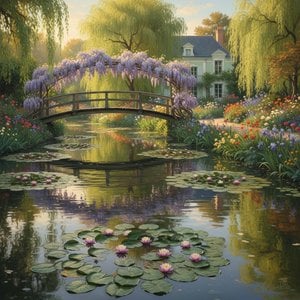
Embark on a visual journey through Claude Monet's Giverny. Discover the enchanting light, vibrant colors, and breathtaking landscapes of his legendary gardens through an expert exploration of Impressionist mastery and timeless beauty.
Explore the dramatic evolution of Northern Mannerism. Discover how masters like Bosch and Grünewald transitioned from Renaissance harmony to profound, elegant distortion through an expert analysis of symbolism, emotional intensity, and artistic innovation.
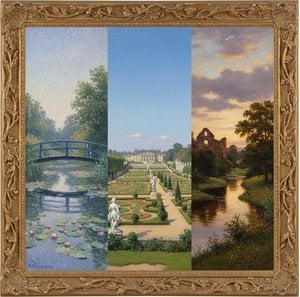
Embark on a visual journey through the serene beauty of gardens and parks in fine art. Discover how master artists capture nature's tranquility through impressionistic blooms and classical landscapes to bring timeless elegance into your home collection.