A Sanctuary of Northern Renaissance Splendor
Nestled in the heart of Antwerp, Belgium, the Museum Mayer van den Bergh stands as a profound testament to one man’s passionate vision and an enduring legacy of artistic devotion. More than just a repository of masterpieces, it is a meticulously curated world—a journey back to the Gothic and Renaissance periods that flourished in Northern Europe. The museum's very existence is rooted in the singular dedication of Fritz Mayer van den Bergh, an art dealer whose discerning eye and profound love for medieval artistry shaped a collection that continues to captivate and inspire today. Unlike grand, state-sponsored institutions built through centuries of diverse acquisitions, this museum is an intimate reflection of one collector’s soul, offering a rare glimpse into the personal aesthetic of a man who sought out quality, artistry, and a deep connection to the spiritual currents of his age.
The architecture itself serves as a breathtaking embodiment of the collection's spirit. A stunning example of neo-Gothic design, the museum building was completed between 1901 and 1904 by Henriette Mayer van den Bergh in fulfillment of her son’s wishes. It was never intended to be merely a container for art, but rather an immersive environment that resonates with the very essence of the works it houses. As visitors move through the space, the soaring arches, intricate stonework, and subdued lighting create an atmosphere of reverence and contemplation, transporting the soul to a medieval world. This architectural harmony ensures that every encounter with a painting or sculpture feels like a discovery within a sacred, historical sanctuary.
Masterpieces of Devotion and Chaos
The collection is anchored by works that provoke both fascination and profound emotion. Among its most celebrated holdings is Pieter Brueghel the Elder’s Dulle Griet (Mad Meg), a painting that continues to ignite discussion across generations. The visceral, chaotic energy of the scene—depicting a woman ransacking Hell for loot—showcases Bruegel’s masterful technique and his ability to weave unsettling humor with the deep-seated anxieties of 16th-century society. This tension between the grotesque and the divine is a recurring theme throughout the museum's treasures, where every brushstroke tells a story of human frailty and spiritual aspiration.
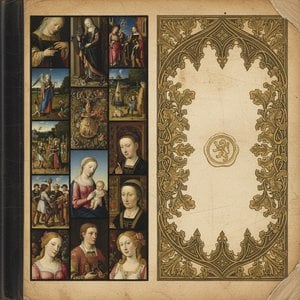
Beyond the monumental canvases, the museum offers exquisite intimacy through its illuminated manuscripts and delicate panel paintings. The Mayer van den Bergh Breviary, a lavishly decorated manuscript from the late 15th or early 16th century, stands as a pinnacle of book art. Its pages, adorned with vibrant colors and intricate designs by masters such as Gerard David and Simon Bening, reveal the extraordinary craftsmanship of the era. To witness these works is to understand the transition from the medieval to the Renaissance world, where every gilded edge and meticulously painted miniature served as a window into the divine.
A Living Legacy in Transition
While the museum’s history is anchored in the past, its future is one of ambitious growth and renewal. Currently undergoing an extensive expansion project, the institution is working to reunite Fritz Mayer van den Bergh's childhood home with a new building, creating an unparalleled space for artistic exploration. This evolution promises a deeper dive into Flemish art history and a more comprehensive celebration of Antwerp’s rich cultural heritage. The anticipated reopening in 2029 will offer visitors an even richer tapestry of experiences, blending the historical weight of the collection with modern museum innovation.
Even during this period of transformation, the museum remains a vibrant participant in the local art community. Through curated exhibitions like “Beloved,” which showcases selections from local enthusiasts, the institution demonstrates its continued engagement with the contemporary pulse of Antwerp. For the art lover, the collector, or the designer seeking inspiration from the roots of European beauty, the Museum Mayer van den Bergh remains an essential destination—a place where history, passion, and the enduring power of human creativity converge in a timeless embrace.