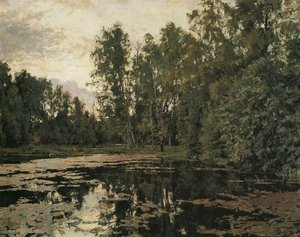
Βαλεντίν Σερόφ, 1865 – 1911

Βαλεντίν Σερόφ: Τα 100 πιο διάσημα έργα

Το έργο Girl with Peaches (1887) είναι το πιο διάσημο πίνακα του Βαλεντίν Σερόφ, το οποίο βρίσκεται στο Τρέτιακοφ Ακαδημία Μουσειακή στην Μόσχα. Οι Portrait of Anton Chekhov (1903) και Portrait of Henrietta Girshman (1907) είναι τα επόμενα δύο έργα που ο κόσμος γνωρίζει καλύτερα. Από τα 289 έργα του Βαλεντίν Σερόφ στον κατάλογό μας, ακολουθούν τα 100 που προσεγγίζουν περισσότερο οι συλλέκτες και οι επισκέπτες των μουσείων, μαζί με την χρονολογία, το μουσείο και την ιστορία του καθενός.

Καταταγίζονται με βάση το σκορ δημοφιλίας μας, το οποίο συνδυάζει τις αναζητήσεις, τις επισκέψεις και τις παραγγελίες για κάθε έργο. Ενημερώθηκε Οκτώβριος 2026. Κάθε αριστούργημα σε αυτήν τη σελίδα μπορεί να παραγγελθεί ως μια χειροποίητη αναπαραγωγή σε λάδι υψηλής ποιότητας μουσείου ή ως ένα εκτύπωμα fine art, στο μέγεθος που επιλέξετε.

Πορτρέτο του Βαλεντίν Σερόφ
Βαλεντίν Σερόφ · 1865 – 1911
Γεννημένος · πεθνημένος
1865 – 1911, Αγία Πετρούπολη
Κίνηση
Realism
Έργα στον κατάλογό μας
289
Τα πιο διάσημα
Girl with Peaches (1887)
Πολλές εργασίες στο
Εθνική Πινακοθήκη της Αρμενίας

Top 10: τα πιο γνωστά έργα του Βαλεντίν Σερόφ

Girl with Peaches (1887) του Βαλεντίν Σερόφ
1

Girl with Peaches

1887 · Άνθρακα και λάδι σε καμβά · Τρέτιακοφ Ακαδημία Μουσειακή, Μόσχα

In the quiet light of 1887, Valentin Serov captures a fleeting moment of childhood in his painting, Girl with Peaches. The scene centers on eleven-year-old Vera Mamontova, a young girl whose presence fills the space with a sense of calm. She sits at a table, her gaze steady and thoughtful, as the afternoon sun filters through the room. This portrait is more than a mere likeness; it is a window…

Portrait of Henrietta Girshman (1907) του Βαλεντίν Σερόφ
3

Portrait of Henrietta Girshman

1907 · Oil On Canvas

Valentin Serov’s “Portrait of Henrietta Girshman,” painted in 1907, is more than just a likeness; it's a carefully constructed tableau that invites the viewer to step into a private moment. Executed with a masterful blend of realism and impressionistic techniques, the painting captures the quiet intimacy of a woman preparing herself – perhaps for an evening out, or simply lost in contemplation – within the luxurious confines of her dressing…

Winter in Abramtsevo (1886) του Βαλεντίν Σερόφ
4

Winter in Abramtsevo

1886 · Oil On Canvas

We are looking at Winter in Abramtsevo, a landscape painting by Valentin Serov. Created in 1886, this work captures a quiet moment within the Russian countryside. The original title of the piece is Зима в Абрамцево. It remains a significant example of Serov's early engagement with the natural world and the specific atmosphere of the Abramtsevo area.

George the Victorious (1885) του Βαλεντίν Σερόφ
5

George the Victorious

1885 · Oil

The air feels heavy with the scent of dust and iron as a white horse surges forward, its muscles rippling under a coat that catches the light. Atop this powerful creature sits a knight, a figure of singular focus amidst a dark, moody landscape. He holds a red flag aloft, the fabric snapping in a wind we cannot see, its golden emblem catching the light like a sudden spark in…

Portrait of Pavel Tretyakov (1899) του Βαλεντίν Σερόφ
8

Portrait of Pavel Tretyakov

Valentin Alexandrovich Serov presents Portrait of Pavel Tretyakov through a vertical composition that focuses on the subject from the waist up. Positioned slightly off-center, the middle-aged man is depicted with his arms crossed, a stance that establishes a sense of introspective stillness. The subject is set against a non-descript, washed background, which creates a shallow depth and pushes the figure toward the foreground.

Η υπόλοιπη κατάταξη του Βαλεντίν Σερόφ, από τον 11 έως τον 100

Οι πίνακες του Βαλεντίν Σερόφ ανά περίοδο

Τα θέματα που ο Βαλεντίν Σερόφ ζωγράφισε περισσότερο

Τα τέσσερα θέματα που εμφανίζονται πιο συχνά σε αυτά τα αριστούργημα, με το κορυφαίο παράδειγμα για το καθένα.

Πού να δείτε τα έργα του Βαλεντίν Σερόφ

Τα 6 μουσεία που φιλοξενούν το μεγαλύτερο μέρος των έργων σε αυτήν τη σελίδα.

Μουσεία Πόλη Έργα του Βαλεντίν Σερόφ Πάτρια από αυτή τη λίστα
Εθνική Πινακοθήκη της Αρμενίας, ΕρέβανΕθνική Πινακοθήκη της Αρμενίας Ερέβαν 3 Wife of Kostroma manifacture's director, The Grand Eagle Cup, Portrait of Maria Akimova
Τρέτιακοφ Ακαδημία Μουσειακή, ΜόσχαΤρέτιακοφ Ακαδημία Μουσειακή Μόσχα 11 Girl with Peaches, Portrait of Pavel Tretyakov
Εθνικό Μουσείο Βαρσοβίας, ΒαρσοβίαΕθνικό Μουσείο Βαρσοβίας Βαρσοβία 4 Portrait of a woman, A Breton woman.
National Art Museum of The Republic of Belarus, MinskNational Art Museum of The Republic of Belarus Minsk 1 Portrait of O. F. Tomara
Kiev National Picture Gallery, KyivKiev National Picture Gallery Kyiv 1 Elizaveta Alexeevna Krasilshikova
Finnish National Gallery, HelsinkiFinnish National Gallery Helsinki 1 Still Life

Ο Βαλεντίν Σερόφ μέσα από τις δεκαετίες: ένα αριστούργημα για κάθε εποχή

  1. 1870s
    Still Life (1879) του Βαλεντίν Σερόφ
    Κατάταξη 78 / 100

    Still Life

    Ηλικία 5 – 14 · Finnish National Gallery
  2. 1880s
    Girl with Peaches (1887) του Βαλεντίν Σερόφ
    #1 από 100

    Girl with Peaches

    Ηλικία 15 – 24 · Τρέτιακοφ Ακαδημία Μουσειακή

    In the quiet light of 1887, Valentin Serov captures a fleeting moment of childhood in his painting, Girl with Peaches. The scene centers on eleven-year-old Vera Mamontova, a…

  3. 1890s
    Portrait of Pavel Tretyakov (1899) του Βαλεντίν Σερόφ
    #8 από 100

    Portrait of Pavel Tretyakov

    Ηλικία 25 – 34 · Τρέτιακοφ Ακαδημία Μουσειακή

    Valentin Alexandrovich Serov presents Portrait of Pavel Tretyakov through a vertical composition that focuses on the subject from the waist up. Positioned slightly off-center, the middle-aged man is…

  4. 1900s
    Portrait of Anton Chekhov (1903) του Βαλεντίν Σερόφ
    Από τους 100, η σειρά 2

    Portrait of Anton Chekhov

    Ηλικία 35 – 44

    is a work by the Russian artist Valentin Serov. Executed in 1903, the painting presents a focused study of the subject, a man characterized by a prominent beard.…

  5. 1910s
    Naked woman (1910) του Βαλεντίν Σερόφ
    Από τους 100, η σειρά 41

    Naked woman

    Ηλικία 45 – 46

Πάρα frequently asked questions για τα έργα του Βαλεντίν Σερόφ

Ποιο είναι το πιο διάσημο έργο του Βαλεντίν Σερόφ;Εμφάνιση απάντησης

Girl with Peaches (1887), Τρέτιακοφ Ακαδημία Μουσειακή, Μόσχα. Ακολουθούν το Portrait of Anton Chekhov (1903) και το Portrait of Henrietta Girshman (1907).

Σε τι ηλικία δημιούργησε ο/η Βαλεντίν Σερόφ το έργο Girl with Peaches;Εμφάνιση απάντησης

22 ετών: το έργο Girl with Peaches χρονολογείται από το 1887 και ο/η Βαλεντίν Σερόφ γεννήθηκε το 1865.

Ποια είναι τα 10 πιο διάσημα έργα του Βαλεντίν Σερόφ;Εμφάνιση απάντησης

Girl with Peaches, Portrait of Anton Chekhov, Portrait of Henrietta Girshman, Winter in Abramtsevo, George the Victorious, Autumn evening. Domotkanovo, Bathing a Horse, Portrait of Pavel Tretyakov, Self-Portrait και Portrait of the Artist Pavel Tchistyakov. Η παραπάνω κατάταξη αναγράφει το έτος και το μουσείο για το καθένα.

Πόσα έργα του Βαλεντίν Σερόφ υπάρχουν;Εμφάνιση απάντησης

Ο κατάλογός μας περιλαμβάνει 289 έργα του Βαλεντίν Σερόφ, με ημερομηνίες από 1879 έως 1911.

Πού μπορώ να δω τα πιο διάσημα έργα του Βαλεντίν Σερόφ;Εμφάνιση απάντησης

Τα περισσότερα βρίσκονται στα Εθνική Πινακοθήκη της Αρμενίας (Ερέβαν), Τρέτιακοφ Ακαδημία Μουσειακή (Μόσχα) και Εθνικό Μουσείο Βαρσοβίας (Βαρσοβία). Ο παραπάνω πίνακας περιγράφει τα μουσεία ένα προς ένα.

Σε ποια περίοδο δημιούργησε ο/η Βαλεντίν Σερόφ τα πιο γνωστά του/της έργα;Εμφάνιση απάντησης

Κατά την περίοδο 1900s: 35 από τα 100 έργα σε αυτήν τη σελίδα χρονολογούνται τότε, ανάμεσα σε αυτά και Portrait of Anton Chekhov.

Ποιο είναι το παλαιότερο διάσημο έργο του Βαλεντίν Σερόφ και ποιο το νεότερο;Εμφάνιση απάντησης

Το παλαιότερο σε αυτήν τη σελίδα είναι το Still Life (1879), το νεότερο το Portrait of N.P. Lamanova (1911).

Ποια θέματα ζωγράφισε ο/η Βαλεντίν Σερόφ;Εμφάνιση απάντησης

Famous people (50), Portraits (49) και Men (24), από τα 100 έργα σε αυτήν τη σελίδα.

Σε τι και με τι εξοπλισμό ζωγράφισε ο Βαλεντίν Σερόφ;Εμφάνιση απάντησης

Oil On Canvas: 5 από τα 100 έργα σε αυτήν τη σελίδα.

Σε ποιο καλλιτεχνικό κίνημα ανήκει η τέχνη του Βαλεντίν Σερόφ;Εμφάνιση απάντησης

Realism και Impressionism, όπως τα έργα σε αυτήν τη σελίδα δείχνουν.

Ποια έργα του Βαλεντίν Σερόφ διαθέτει το Εθνική Πινακοθήκη της Αρμενίας;Εμφάνιση απάντησης

Τα Wife of Kostroma manifacture's director, The Grand Eagle Cup και Portrait of Maria Akimova περιλαμβάνονται στα 3 έργα σε αυτήν τη σελίδα που βρίσκονται στο Εθνική Πινακοθήκη της Αρμενίας, Ερέβαν.

Πού μπορώ να αγοράσω μια αναπαραγωγή του Βαλεντίν Σερόφ;Εμφάνιση απάντησης

Ναι. Κάθε έργο σε αυτήν τη σελίδα μπορεί να παραγγελθεί ως μια χειροποίητη αναπαραγωγή ελαιογραφίας επιπέδου μουσείου ή ως μια εκτύπωση fine art, στο μέγεθος που επιλέξετε, από την αντίστοιχη σελίδα του έργου.

Βαλεντίν Σερόφ: βιογραφία

A Life Immersed in Art and Aristocracy

Valentin Alexandrovich Serov, born into a world already resonating with artistic brilliance on January 19, 1865, in Saint Petersburg, was destined to become one of Russia’s most celebrated portraitists. His lineage itself spoke volumes – the son of composer Alexander Serov and Valentina Bergman, also a gifted musician, young Valentin grew up enveloped by creativity. This nurturing environment wasn't merely about exposure; it instilled within him a deep appreciation for harmony, form, and emotional expression—qualities that would profoundly shape his artistic vision. From an early age, he was encouraged to explore his talents, receiving initial instruction in Paris and Moscow under the watchful eye of Ilya Repin, a master of realist painting. This foundational training emphasized observation, meticulous detail, and a commitment to capturing the essence of human character. Later studies at the St. Petersburg Academy of Arts with Pavel Chistyakov further honed his technical skills, grounding him in classical principles while simultaneously fostering an emerging individuality. Serov’s upbringing wasn't solely artistic; it was also deeply intertwined with Russia’s elite circles, providing access to a world he would later immortalize on canvas.

The Blossoming of a Portraitist: Early Works and Influences

Serov’s early period is marked by an extraordinary sensitivity to light and atmosphere, evident in works like Girl with Peaches (1887) and Girl Covered by the Sun (1888). These paintings, now iconic treasures of the Tretyakov Gallery, weren't simply portraits; they were studies in fleeting moments, capturing the ephemeral beauty of childhood. The loose brushwork and vibrant color palette hinted at an Impressionistic sensibility, yet remained firmly rooted in a realist tradition. He wasn’t merely depicting likenesses but conveying a sense of spontaneity and inner life. This ability to capture psychological depth became a hallmark of his style. He absorbed influences from the Old Masters during visits to European museums, studying Rembrandt, Velázquez, and Veronese, learning their techniques for rendering light, shadow, and texture. The artistic colony at Abramtsevo also played a crucial role in his development, exposing him to new ideas and fostering collaborations with fellow artists like Mikhail Vrubel and Konstantin Korovin. These interactions broadened his horizons and encouraged experimentation. His portraits of the 1890s – Konstantin Korovin, Isaac Levitan, and Nikolai Leskov – demonstrate a growing confidence in his ability to convey not just physical appearance but also the intellectual and emotional character of his subjects.

Navigating Tradition and Modernity: A Shifting Style

As Serov matured, his artistic style underwent a subtle yet significant transformation. While he continued to receive commissions from Russia’s aristocracy – portraits of Grand Duke Pavel Alexandrovich, S.M. Botkin, and Felix Yusupov attest to this – his approach became more nuanced and psychologically penetrating. He moved away from the purely descriptive towards a deeper exploration of character, often employing a restrained palette dominated by blacks, greys, and browns to emphasize mood and introspection. From 1900 onwards, Serov’s work began to reflect a growing engagement with modernism, though he never fully abandoned his commitment to realism. He became involved with the influential art association *Mir Iskusstva* (“World of Art”), which championed new artistic trends and challenged traditional conventions. This association exposed him to Art Nouveau aesthetics and encouraged experimentation with form and composition. His portrait of Maxim Gorky (1904) exemplifies this shift, presenting a powerful and unconventional depiction of the writer as a man of the people. He skillfully balanced his academic training with emerging artistic currents, creating a unique style that was both sophisticated and emotionally resonant.

Major Achievements and Recognition

Throughout his career, Serov achieved widespread recognition for his exceptional talent and distinctive style. He exhibited regularly at the Salons in Moscow and Saint Petersburg, garnering critical acclaim and establishing himself as one of Russia’s leading portraitists. His works were acquired by prestigious institutions such as the Tretyakov Gallery and the State Russian Museum, securing their place in the nation's cultural heritage. Serov was also a respected teacher, mentoring numerous young artists and contributing to the development of the next generation of Russian painters. He held teaching positions at the Imperial Academy of Arts and the Moscow Institute of Painting, Sculpture, and Architecture, imparting his knowledge and expertise to aspiring artists. His influence extended beyond the confines of the studio, shaping the artistic landscape of Russia during a period of profound social and cultural change.

Legacy and Lasting Impact

Valentin Serov’s untimely death on December 5, 1911, at the age of 46, cut short a brilliant career, but his legacy endures as one of Russia's most important portrait painters. He left behind a body of work that not only captured the likenesses of his contemporaries but also offered profound insights into Russian society and culture at a pivotal moment in history. His ability to combine technical mastery with psychological depth set him apart from his peers, and his paintings continue to captivate audiences today.
  • He bridged the gap between realism and modernism.
  • His portraits offer invaluable glimpses into the lives of Russia’s elite.
  • His influence can be seen in the work of subsequent generations of Russian artists.
Serov's contribution extends beyond his paintings; he was also a dedicated teacher, shaping the artistic development of numerous students. His commitment to both tradition and innovation ensured that his influence would continue to resonate long after his passing. Exploring Serov’s work is not merely an exercise in art appreciation; it is a journey into the heart of Russian history and culture, offering a window into a world of elegance, intellect, and emotional complexity.

Όλα τα 289 έργα του Βαλεντίν Σερόφ →