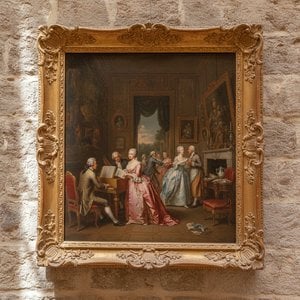
Η Αθόρυβη Μεγαλειώδης Φιλοφρονήτεια του Thomas Stuart Smith
Ο Thomas Stuart Smith (1815–1869) παραμένει μια μοναδική και συγκινητική μορφή στο χιτώνα της σκωτσικής ιστορίας της τέχνης, ένας ζωγράφος που κατείχε την σπάνια ικανότητα να γεφυρώνει τα αχανείς συναισθηματικούς ύψους του Ρομαντισμού με την τρυφερή, ρεαλιστική οικειότητα της καθημερινής παρατήρησης. Γεννημένος σε μια ζωή διαμορφωμένη από ασυνήθιστες συνθήκες—ως ο αμίλητος ανιψιός του Alexander Smith, του οποίου το κτήμα στο Glassingall κοντά στο Dunblane πρόσφερε ένα σκηνικό πνευματικής και γης προκύμας—τα πρώτα χρόνια του Smith χαρακτηρίστηκαν από μια κοσμοπολίτικη ευχρηστία. Τα διαμορφωτικά του ταξίδια στη Γαλλία και η μετέπειτα επιστροφή του στην Αγγλία του επέτρεψαν να απορροφήσει τις μεταβαλλόμενες τάσεις της ευρωπαϊκής αισθητικής, καλλιεργώντας μια προοπτική που αφορούσε την επιστημονική έαρεση όσο και το καλλιτεχνικό πάθος.
Η ζωή και το έργο του ήταν βαθιά εμβαπτισμένα στην μεταμορφωτική ατμόσφαιρα της Βικτωριανής εποχής. Ενώ πολλοί από τους συνemporográficos του προσπάθησαν να αιχμαλωτίσουν τις μονουμεντικές αλλαγές της industrializacji μέσα από ηρωικούς αφηγήματα, ο Smith στράφηκε το βλέμμα του προς τα εσωτερικά και προς την εστία του σπιτιού. Βρήκε βαθύ νόημα στις λεπτές αποχρώσεις της οικιακής ζωής, αιχμαλωτίζοντας ουαλικά εσωτερικά διακοσμημένα με ένα απαλό, διαχυμένο φως και κουζίνες γεμάτες με τις ζωντανές υφές των φρέσκων προϊόντων. Οι καμβές του λειτούργησαν ως παράθυρα στην ανθρώπινη εμπειρία, όπου το ψυχολογικό βάθος ενός πορτραίτο ήταν εξίσου σημαντικό με το ατμοσφαιρικό βάρος ενός τοπίου.
Μια Σύνθεση Ρεαλισμού και Ρομαντισμού
Η λάμψη της τεχνικής του Smith έγκειται στη μα マスターful σύνθεσή του με κινητήματα που φαίνονται αντιφατικά. Εμφασίστηκε βαθιά από την Προραφαηλίτη Αδελφότητα, αντλώντας έμπνευση από την προσεκτική βοτανική ακρίβεια και την ατμοσφαιρική ακρίβεια που υποστήριξαν δασπάλοι όπως ο John Everett Millais και ο William Holman Hunt. Αυτή η επίδραση είναι ορατή στην αφοσίωσή του στην αληθινή παρατήρηση· προσέγγισε τον φυσικό κόσμο με ένα αιχμηρό μάτι για τις λεπτομέρειες που τιμούσε την ακεραιότητα κάθε φύλλου, κάθε σκιάς και κάθε πτυχής του υφάσματος.
Ωστόσο, κάτω από αυτό το στρώμα της προσεκτικής ρεαλιστικής προσέγγσης, κρυβόταν μια καρδιά βυθισμένη στον Ρομαντισμό. Ο Smith δεν αρκείτοταν στο να καταγράφει την πραγματικότητα· επιδίωκε να προκαλέσει διάθεση. Μέσω καινοτόμου πειραματισμού με το φως και την προοπτική, έδωσε στους σκηνικούς του μια αίσθηση νοσταλγίας και υψίστης συναισθήματος. Το έργο του συχνά ταλαντεύεται ανάμεσα στα εξής στοιχεία:
- Το Οικείο: Μια εστίαση στις ήσυχες, ανεπαρατηρητές στιγμές της καθημερινότητας και κοινωνικής σχολιασμού.
- Το Ατμοσφαιρικό: Η χρήση του φωτός για τη δημιουργία αίσθησης χρονικής βάθους και συναισθηματικής αντήχησης.
- Η Παρατηρητική Προσέγγιση: Μια αυστηρή αφοσίωση στις υφές και τις βοτανικές αλήθειες του φυσικού κόσμου.
Κληρονομιά και Φιλανθρωπικό Πνεύμα
Πέρα από τις συνεισφορές του στον καμβά, ο Thomas Stuart Smith άφησε ένα անισ मर्λα σημάδι στο πολιτιστικό τοπίο της Σκωτίας μέσω της αφοσίωσής του στην εκπαίδευση και τη διατήρηση της τέχνης. Η κληρονομιά του αισθάνεται ίσως πιο αισθητά μέσω του ρόλου του ως ιδρυτής της Stirling Smith Art Gallery and Museum. Αυτή η πράξη φιλανθρωπίας διασφάλισε ότι η ομορφιά που επιδίωκε να αιχμαλωτίσει θα παραμείνει προσβάσιμη στις επόμενες γενιές, εδραιώνοντας το όνομά του όχι μόνο ως δημιουργός εικόνων, αλλά και ως φύλακας της κληρονομιάς.
Στην ιστορία της τέχνης του δέκατο dziewέτη αιώνα, ο Smith στέκεται ως μια γέφυρα μεταξύ εποχών. Καθοδήγησε τη μετάβαση από τα μεγαλειώδεις, ιδεατοποιημένουςρα visions του πρώτου αιώνα προς έναν πιο ρεαλισμό, κοινωνικά συνειδητό, που θα ορίσει μεγάλο μέρος της μεταγενέστερης Βικτωριανής περιόδου. Η ικανότητά του να βρίσκει το εξαιρετικό μέσα στο συνηθισμένο συνεχίζει να αντηχεί, υπενθυμίζοντάς μας ότι οι πιο βαθιές αλήθειες συχνά βρίσκονται στις πιο ήσυχες γωνιές της ύπαρξής μας.