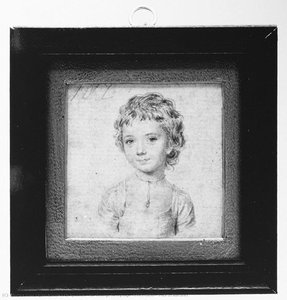
John Smart, 1741 – 1811

Τα 43 πιο διάσημα έργα του John Smart

Το έργο που έκανε τον/την John Smart διάσημο/η είναι το Sir William Hood (1766)· εκτίθεται στο Μετροπολιτικό Μουσείο Τέχνης, Νέα Υόρκη. Ο Baron Gustaf Adam von Nolcken (1775) και ο Portrait of a Gentleman (1766) ακολουθούν μετά, στις καρδιές των συλλεκτών και των επισκεπτών μουσείων. Από τα 40 έργα του John Smart στον κατάλογό μας, αυτά τα 43 είναι τα πιο θαυμαστότερα, το καθένα παρουσιασμένο με την ημερομηνία, το μουσείο και τα ιδιαίτερα χαρακτηριστικά του.

Καταταγίζονται με βάση το σκορ δημοφιλίας μας, το οποίο συνδυάζει τις αναζητήσεις, τις επισκέψεις και τις παραγγελίες για κάθε έργο. Ενημερώθηκε Νοέμβριος 2026. Κάθε αριστούργημα σε αυτήν τη σελίδα μπορεί να παραγγελθεί ως μια χειροποίητη αναπαραγωγή σε λάδι υψηλής ποιότητας μουσείου ή ως ένα εκτύπωμα fine art, στο μέγεθος που επιλέξετε.

Πορτρέτο του John Smart
John Smart · 1741 – 1811
Γεννημένος · πεθανούμενος
1741 – 1811, Norfolk
Κίνηση
Neoclassicism
Έργα στον κατάλογό μας
40
Τα πιο δημοφιλή
Sir William Hood (1766)
Πολλές εργασίες στο
Yale Center for British Art

John Smart: τα δέκα αριστουργήματα

Sir William Hood (1766) του John Smart
1

Sir William Hood

1766 · Ivory · Μετροπολιτικό Μουσείο Τέχνης, Νέα Υόρκη

The portrait titled Sir William Hood is a work by the British artist John Smart. Born in Norfolk, Smart captured this sitter in a moment of quiet, aristocratic poise. The image presents a man of status, his presence defined by the sharp contrast of a white cravat against a deep crimson waistcoat. It is a study of a single life held within a small, oval frame.

Baron Gustaf Adam von Nolcken (1775) του John Smart
2

Baron Gustaf Adam von Nolcken

1775 · Watercolor · Nationalmuseum, Στοκχόλμη

To hold this miniature is to hold a fragment of the Georgian era, a quiet encounter with Baron Gustaf Adam von Nolcken. Painted in 1775, the portrait captures the Swedish diplomat in a moment of composed dignity. He is presented in a three-quarter view, his gaze steady and his expression carrying the weight of his station. The subject is framed within an oval gold-toned locket, an intimate scale that demands…

Χειροποίητη ελαιογραφική αναπαραγωγή από $181 28 × 36 cm
Portrait of a Gentleman (1766) του John Smart
3

Portrait of a Gentleman

1766 · Watercolor · Yale Center for British Art, New Haven

is a portrait miniature executed by the British artist John Smart. Dating to 1766, the work captures a single gentleman from the mid-18th century. It represents a period of significant technical development in the art of the miniature, focusing on the intimate scale of the individual subject.

Χειροποίητη ελαιογραφική αναπαραγωγή από $181 26 × 39 cm
Portrait of an Elderly Lady (1767) του John Smart
4

Portrait of an Elderly Lady

1767 · Gouache · Yale Center for British Art, New Haven

In the Portrait of an Elderly Lady by John Smart, the subject is captured in a centered, bust-length view within a delicate oval format. The perspective is a direct, eye-level gaze that invites a sense of closeness. She sits against a neutral, olive-toned background, a quiet space that allows her presence to remain the singular focus. Her expression is serene and slightly pleasant, carrying a weight of quiet wisdom through…

Χειροποίητη ελαιογραφική αναπαραγωγή από $181 27 × 37 cm
Captain Marriott (1777) του John Smart
5

Captain Marriott

1777 · Watercolor · Yale Center for British Art, New Haven

This 1777 portrait miniature, titled Captain Marriott, presents an intimate oval-shaped bust-length depiction of a young man in profile. Facing left, the subject is rendered with a calm and dignified expression that conveys a sense of quiet nobility or military poise. The composition is characterized by a vibrant, saturated red coat that stands in sharp contrast to the crisp white of his cravat and powdered hair. A soft, neutral greyish-brown…

Χειροποίητη ελαιογραφική αναπαραγωγή από $181 25 × 40 cm
Portrait of a Gentleman (1773) του John Smart
6

Portrait of a Gentleman

1773 · Watercolor · Yale Center for British Art, New Haven

To hold this miniature is to encounter a moment of poised dignity from 1773. The subject, a young man captured in a three-quarter view, gazes out with a calm expression that suggests a life of composure. He is framed within an oval composition, a choice that focuses the viewer entirely on the subtle nuances of his features and the texture of his attire. There is an immediate sense of presence…

Χειροποίητη ελαιογραφική αναπαραγωγή από $181 27 × 37 cm
Robert, first Baron Clive of Plassey (1776) του John Smart
7

Robert, first Baron Clive of Plassey

1776 · Gouache · Yale Center for British Art, New Haven

This portrait of Robert, first Baron Clive of Plassey, was executed by the artist John Smart in 1776. The work presents the subject as a middle-aged man positioned in a bust-length view. He is depicted wearing military attire, which includes a red jacket with deep blue lapels. Gold embroidery adorns the edges of the lapels. A white cravat and a powdered wig frame the face of the subject.

Χειροποίητη ελαιογραφική αναπαραγωγή από $181 26 × 38 cm

Περισσότερα αριστούργημα του John Smart, από τον 11 έως τον 43

Τα θέματα που ο John Smart ζωγράφισε περισσότερο

Τα τέσσερα θέματα που εμφανίζονται πιο συχνά σε αυτά τα αριστούργημα, με το κορυφαίο παράδειγμα για το καθένα.

Πού να δείτε τα έργα του John Smart

Τα 4 μουσεία που φιλοξενούν το μεγαλύτερο μέρος των έργων σε αυτήν τη σελίδα.

Μουσείο Πόλη Έργα του John Smart Πάτρια από αυτή τη λίστα
Yale Center for British Art, New HavenYale Center for British Art New Haven 10 Portrait of a Gentleman, Portrait of an Elderly Lady, Captain Marriott
Nationalmuseum, ΣτοκχόλμηNationalmuseum Στοκχόλμη 8 Baron Gustaf Adam von Nolcken, John Smart Junior, the artists son, Lady Deering
Μουσείο Τέχνης Κλίβελαντ, ΚλίβελαντΜουσείο Τέχνης Κλίβελαντ Κλίβελαντ 5 Portrait of Constantine Phipps, Portrait of Mrs. Nathaniel Bailey, née Lamack, Portrait of an Officer
Μετροπολιτικό Μουσείο Τέχνης, Νέα ΥόρκηΜετροπολιτικό Μουσείο Τέχνης Νέα Υόρκη 4 Sir William Hood, Mrs. Comyns, Mrs. Caroline Deas

John Smart, δεκαετία προς δεκαετία: το χαρακτηριστικό έργο κάθε εποχής

  1. 1760s
    Sir William Hood (1766) του John Smart
    Από τους 43, η σειρά 1

    Sir William Hood

    Ηλικία 19 – 28 · Μετροπολιτικό Μουσείο Τέχνης

    The portrait titled Sir William Hood is a work by the British artist John Smart. Born in Norfolk, Smart captured this sitter in a moment of quiet, aristocratic…

  2. 1770s
    Baron Gustaf Adam von Nolcken (1775) του John Smart
    #2 από 43

    Baron Gustaf Adam von Nolcken

    Ηλικία 29 – 38 · Nationalmuseum

    To hold this miniature is to hold a fragment of the Georgian era, a quiet encounter with Baron Gustaf Adam von Nolcken. Painted in 1775, the portrait captures…

  3. 1780s
    Portrait of a Man (1786) του John Smart
    #15 από 43

    Portrait of a Man

    Ηλικία 39 – 48 · Μουσείο Τέχνης Κλίβελαντ
  4. 1790s
    Portrait of an Officer (1794) του John Smart
    Από τους 43, η σειρά 14

    Portrait of an Officer

    Ηλικία 49 – 58 · Μουσείο Τέχνης Κλίβελαντ

Τα αριστουργήματα του John Smart: ερωτήσεις και απαντήσεις

Με ποιο έργο είναι πιο γνωστός ο John Smart;Εμφάνιση απάντησης

Sir William Hood (1766), Μετροπολιτικό Μουσείο Τέχνης, Νέα Υόρκη. Ακολουθούν το Baron Gustaf Adam von Nolcken (1775) και το Portrait of a Gentleman (1766).

Πόσο χρονos είχε ο John Smart όταν ζωγράφισε το Sir William Hood;Εμφάνιση απάντησης

25 ετών: το έργο Sir William Hood χρονολογείται από το 1766 και ο/η John Smart γεννήθηκε το 1741.

Ποιες είναι τα δέκα κορυφαία έργα του John Smart;Εμφάνιση απάντησης

Sir William Hood, Baron Gustaf Adam von Nolcken, Portrait of a Gentleman, Portrait of an Elderly Lady, Captain Marriott, Portrait of a Gentleman, Robert, first Baron Clive of Plassey, John Smart Junior, the artists son, Portrait of Constantine Phipps και Portrait of a Lady. Η παραπάνω κατάταξη αναγράφει το έτος και το μουσείο για το καθένα.

Πόσα έργα δημιούργησε ο/η John Smart;Εμφάνιση απάντησης

Ο κατάλογός μας περιλαμβάνει 40 έργα του John Smart, με ημερομηνίες από 1760 έως 1799.

Σε ποια μουσεία μπορώ να δω τα αριστούργημα του John Smart;Εμφάνιση απάντησης

Τα περισσότερα βρίσκονται στα Yale Center for British Art (New Haven), Nationalmuseum (Στοκχόλμη) και Μουσείο Τέχνης Κλίβελαντ (Κλίβελαντ). Ο παραπάνω πίνακας περιγράφει τα μουσεία ένα προς ένα.

Πότε δημιούργησε ο/η John Smart τα αριστουργήματά του/της;Εμφάνιση απάντησης

Κατά την περίοδο 1770s: 9 από τα 43 έργα σε αυτήν τη σελίδα χρονολογούνται τότε, ανάμεσα σε αυτά και Baron Gustaf Adam von Nolcken.

Ποιες είναι οι πρώτες και τελευταίες διάσημες ζωγραφιές του John Smart;Εμφάνιση απάντησης

Το παλαιότερο σε αυτήν τη σελίδα είναι το Mrs. Comyns (1760), το νεότερο το Portrait of Lieutenant General Daniel Burr (1799).

Ποια ήταν τα αγαπημένα θέματα του John Smart;Εμφάνιση απάντησης

Man (6), White cravat (4) και Red coat (3), από τα 43 έργα σε αυτήν τη σελίδα.

Ποια τεχνική προτίμησε ο/η John Smart;Εμφάνιση απάντησης

Watercolor: 4 από τα 43 έργα σε αυτήν τη σελίδα.

Σε ποιο καλλιτεχνικό κίνημα ανήκει ο/η John Smart;Εμφάνιση απάντησης

Neoclassicism, όπως τα έργα σε αυτήν τη σελίδα δείχνουν.

Ποια αριστουργήματα του John Smart εκτίθενται στο Yale Center for British Art;Εμφάνιση απάντησης

Τα Portrait of a Gentleman, Portrait of an Elderly Lady και Captain Marriott περιλαμβάνονται στα 10 έργα σε αυτήν τη σελίδα που βρίσκονται στο Yale Center for British Art, New Haven.

Μπορώ να αποκτήσω μια αναπαραγωγή ενός κομψού έργου του John Smart;Εμφάνιση απάντησης

Ναι. Κάθε έργο σε αυτήν τη σελίδα μπορεί να παραγγελθεί ως μια χειροποίητη αναπαραγωγή ελαιογραφίας επιπέδου μουσείου ή ως μια εκτύπωση fine art, στο μέγεθος που επιλέξετε, από την αντίστοιχη σελίδα του έργου.

Η ζωή του John Smart

A Legacy in Miniature

In the delicate, luminous world of eighteenth-century British portraiture, few names evoke the same sense of intimate precision as John Smart. A master of the miniature, Smart possessed the rare ability to compress the grandeur of the Georgian era into tiny, ivory canvases that felt as vast and profound as the souls they depicted. While his physical works were small enough to be held in the palm of a hand, the impact of his artistry was monumental, bridging the gap between the formal rigidity of classical portraiture and the burgeoning emotional depth of the Romantic movement.

Born in Norfolk, United Kingdom, Smart’s early life remains somewhat shrouded in the soft mists of history, yet the traces of his development reveal an artist deeply connected to the pulse of English art. His talent was evident from a young age; in 1755, he was recorded as a runner-up in a drawing competition for under-fourteens held by the Society for the Encouragement of Arts, Manufactures and Commerce. This early recognition led him to London, where he attended the drawing school of William Shipley alongside other notable contemporaries like Richard Cosway.

Technical Mastery and the Luminous Glow

To gaze upon a true John Smart miniature is to witness a masterclass in light and texture. His technique was nothing short of alchemy, often employing the grisaille method—a sophisticated process where a monochrome underpainting establishes the foundational shadows and structural tones. Upon this skeletal framework, he applied incredibly thin, translucent glazes of color. This layering allowed light to pass through the pigment and reflect off the white ivory base, creating an ethereal, inner glow that seemed to emanate from within the subject itself.

Unlike some of his contemporaries, such as Cosway, whose work often leaned toward a more flamboyant style, Smart’s approach was characterized by a quiet, grey-toned palette and subtle flesh tints. He possessed a profound knowledge of anatomy, ensuring that his portraits were drawn with greater anatomical accuracy than almost any other miniature painter of his era. His ability to use fine white lines over loose brushstrokes to suggest individual hairs or the delicate stippling of a face provided a degree of warmth and depth that was truly unique.

A Journey Through Art and Empire

Smart’s career was marked by both professional leadership and geographical exploration. He exhibited at the Society of Artists in London from 1762 onwards, eventually ascending to the position of president in 1778. His reach extended far beyond the borders of England; in 1788, he traveled to India, where he was based in Madras. During this period, he obtained numerous commissions, creating works that captured the essence of his subjects even while far from his London roots.

The historical significance of his work is preserved through remarkable collections, such as the Starr collection at the Nelson-Atkins Museum of Art, which includes a signed and dated miniature for nearly every year of his career. This chronological record allows scholars to witness the full progression of his style and the changing fashions of the period. Through his meticulous dedication to the art of the miniature, John Smart left behind a window into human truth, capturing the quiet, psychological nuances of the Georgian age.