Titian Ramsey Peale II: A Renaissance Echo in the New World
Titian Ramsay Peale II occupies a fascinating, often overlooked niche within the landscape of 19th-century American art. Born in Philadelphia in 1799, he was steeped in artistic lineage as the youngest son of Charles Willson Peale, a pivotal figure in early American portraiture and founder of the nation’s first museum. While his father's legacy loomed large, Titian forged his own path, one deeply rooted in the aesthetic ideals of the High Renaissance, particularly those emanating from Venice. He wasn’t merely replicating styles; he was channeling a profound artistic sensibility, imbuing his canvases with a meticulous detail and vibrant color palette that set him apart from many of his contemporaries. His life unfolded against a backdrop of burgeoning American identity, yet his artistic heart remained tethered to the classical masters, creating a compelling tension between Old World reverence and New World expression.
The Artist and His Work
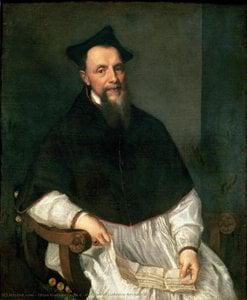
Titian Ramsay Peale II was an American artist known for his contributions to the field of natural history illustration. However, this self-portrait showcases his versatility as a painter. The painting is dated 1562, which places it within the Renaissance period, a time when artists were experimenting with new techniques and styles. This careful consideration of chronology underscores Peale’s commitment to honoring artistic traditions while simultaneously forging his own distinctive voice. It speaks volumes about the intellectual climate of the era—a desire to understand the world through observation and representation informed by humanist ideals.
Composition and Symbolism
The self-portrait depicts the artist in a contemplative mood, dressed in a robe or long coat, possibly a cape, and adorned with a necklace. The stern expression on his face suggests a deep sense of introspection. This deliberate pose—a hallmark of Renaissance portraiture—communicates not just physical appearance but also psychological state. The attire adds depth and texture to the scene, while the well-defined facial features capture the essence of the artist’s personality. Furthermore, the necklace symbolizes status and wealth, reflecting the social realities of the time and hinting at Peale's aspirations within his artistic milieu.
Artistic Style
The painting is characterized by its Renaissance style, which was prevalent during the 15th to 17th centuries in Europe. This period saw a resurgence in classical Greek and Roman art forms, influencing the works of artists like Titian Ramsay Peale II. The use of oil on canvas gives the painting a rich and vibrant appearance, typical of Renaissance art. Notice the subtle blending of colors—a technique perfected by Venetian painters—that creates an illusion of depth and luminosity. This masterful execution demonstrates Peale’s mastery of his craft and reflects the artistic standards of his time.
Historical Context
The Renaissance was a time of great cultural and artistic transformation. Palazzo Vescovile in Pienza, Italy, is an example of a building that houses numerous masterpieces from this era. This historic building, also known as the Bishop’s Palace, has been home to many artworks since its construction in the 15th century. It embodies the humanist spirit of the period—a belief in human potential and achievement fueled by renewed interest in classical learning—and serves as a tangible reminder of the artistic fervor that gripped Europe during this transformative epoch.
Other Works by Titian Ramsay Peale II
Titian Ramsey Peale II was prolific in his work, producing several notable pieces. Some of his other works include:
- Doge Antonio Grimani Kneeling Before the Faith
- Pieta
- Solome
These paintings demonstrate his range and skill as an artist. They offer a glimpse into Peale’s artistic vision—a commitment to capturing beauty and conveying emotion through meticulous observation and skillful execution.
Conclusion
The self-portrait by Titian Ramsay Peale II is a significant work that reflects the artistic trends of the Renaissance. It showcases the artist's ability to capture the essence of his subjects with precision and depth. For those interested in exploring more of his works,
Titian Ramsay Peale II: Self-portrait is available on WahooArt.com.
References
Ερωτήσεις & Απαντήσεις
Πώς εντάσσεται το "Τιτιαν Ραμσέι Πέαλ ΙΙ" στα θέματα και το στυλ του/της Τιτιανός Ράμσεϊ Πήλ ο Δεύτερος;
Το "Τιτιαν Ραμσέι Πέαλ ΙΙ" μοιράζεται με τα υπόλοιπα έργα του Τιτιανός Ράμσεϊ Πήλ ο Δεύτερος το στυλ της καλλιτεχνικής σχολής Renaissance και τα επαναλαμβανόμενα θέματα: classical revival, scientific observation, human dignity, family legacy, philadelphia museum influence, american identity formation, notable portrait series.
Πώς συνδυάζονται η αντίθεση και η αρμονία στο "Τιτιαν Ραμσέι Πέαλ ΙΙ";
Η χρωματική σύνθεση του έργου "Τιτιαν Ραμσέι Πέαλ ΙΙ" του Τιτιανός Ράμσεϊ Πήλ ο Δεύτερος συνδυάζει μια Ήπιος αντίθεση με μια Παλέτα απαλών αναμίξεων αρμονία.
Είναι το "Τιτιαν Ραμσέι Πέαλ ΙΙ" ένα από τα πιο δημοφιλή έργα του/της Τιτιανός Ράμσεϊ Πήλ ο Δεύτερος;
Το επίπεδο δημοσιότητας που καταγράφεται για το "Τιτιαν Ραμσέι Πέαλ ΙΙ" του Τιτιανός Ράμσεϊ Πήλ ο Δεύτερος είναι Αναγνωρίσιμος.



 Προεπισκόπηση
 Μετάβαση σε Εκτυπώσεις
 Αποστολή
 Κοινοποίηση
 Λεπτομέρειες
 Οδηγός

 Λήψη
Λήψη
 Παρόμοια αντικείμενα συλλογής
 Ακτινογραφία
 Παρουσίαση
 Στατιστικά


 Περισσότερα λεπτομέρεια






































 Η επιλογή με γυαλί είναι διαθέσιμη μόνο για μεγέθη κάτω από 110 εκ.