


x

Jede Frage hat nur eine richtige Antwort.
Nestled within a tranquil corner of Paris, bordering the verdant expanse of the Bois de Boulogne, lies the Musée Marmottan Monet – an unexpected jewel box brimming with the luminous heart of Impressionism. More than simply a repository of paintings, it's a deeply personal narrative woven through generations, beginning not with grand artistic ambition but with a fascination for Napoleonic history and culminating in a profound celebration of light and color. The building itself, a meticulously restored 19th-century mansion, exudes an understated elegance; its architecture provides a serene backdrop to the vibrant canvases within, creating an atmosphere that feels remarkably intimate – as if stepping directly into the artist’s studio or the dappled sunlight of his beloved Giverny garden. This isn't a museum that merely displays art; it invites you to lose yourself in its world, to feel the warmth of the Parisian sun and the gentle rustle of leaves, all while contemplating the revolutionary spirit that defined Monet’s legacy.
The story of the Musée Marmottan Monet is inextricably linked to the Marmottan family – Jules, Paul, and Michel. Their initial passion for Napoleonic artifacts evolved into a remarkable collection of furniture, sculptures, and paintings, forming the foundation upon which the Impressionist wing was built. The mansion’s transformation into a museum wasn't merely a logistical shift; it represented a conscious decision to preserve and share a family legacy—a testament to their dedication to art and history. The building itself, originally a hunting lodge commissioned by the Duke of Valmy in 1882, underwent a significant renovation under Paul Marmottan’s stewardship, transforming it into an hôtel particulier – a refined urban residence that perfectly complemented the burgeoning collection within.
At the heart of the Musée Marmottan Monet resides an unparalleled collection of Claude Monet’s works, most notably his series of *Water Lilies* (Nymphéas). These monumental canvases, painted primarily during the last three decades of his life at Giverny, are not simply landscapes; they are immersive experiences—a swirling vortex of color and light that transports the viewer to the tranquil depths of Monet’s garden pond. The sheer scale of these paintings is breathtaking, demanding a slow, deliberate appreciation of their intricate details and subtle shifts in hue. But it's more than just size; it’s the way Monet captures the fleeting effects of sunlight on water, the dance of reflections, and the ephemeral beauty of nature that truly sets them apart. These works are not merely representations of a pond; they are windows into Monet’s soul, revealing his profound connection to the natural world.
Beyond the *Water Lilies*, the collection boasts exceptional works by other Impressionist masters – Berthe Morisot’s intimate portraits of domestic life, Edgar Degas’s captivating depictions of dancers and Parisian society, and the vibrant landscapes of Renoir, Sisley, and Pissarro. The museum doesn't simply display paintings; it invites you to step into their world, to feel the light, the air, the very essence of a revolutionary artistic vision. The careful curation highlights not just individual masterpieces but also the interconnectedness of these artists and their shared pursuit of capturing fleeting moments in time.
The Musée Marmottan Monet’s architecture is as integral to its appeal as its collection. The mansion itself—a meticulously restored 19th-century building—contributes significantly to the museum’s intimate atmosphere. Unlike grand, sprawling institutions that can feel overwhelming, this museum retains a sense of quiet contemplation and personal connection. The rooms are spacious yet cozy, bathed in natural light, creating an environment conducive to deep appreciation of the art on display. The original Empire-style décor, preserved with remarkable care, adds a layer of historical richness, transporting visitors back to a time when Parisian society embraced elegance and refinement.
Furthermore, the museum’s history is interwoven with personal stories – the Marmottan family’s initial passion for Napoleonic art, Michel Monet’s generous bequest, even the dramatic recovery of stolen paintings in 1985—all adding layers of depth and resonance to the visitor experience. The Musée Marmottan Monet isn't just a repository of masterpieces; it’s a testament to the enduring power of art and the visionaries who dared to see the world in a new light.
The Musée Marmottan Monet continues to evolve, offering a diverse range of exhibitions that illuminate different facets of Impressionism and beyond. Recent exhibitions have explored the influence of Japanese art on Monet’s work, as well as his relationship with other artists of the era. The museum also hosts educational programs for visitors of all ages, fostering a deeper understanding and appreciation of Impressionist art. Looking ahead, the Musée Marmottan Monet remains committed to preserving its unique collection and sharing it with the world—a beacon of light in the heart of Paris, celebrating the enduring legacy of Claude Monet and the vibrant spirit of Impressionism.
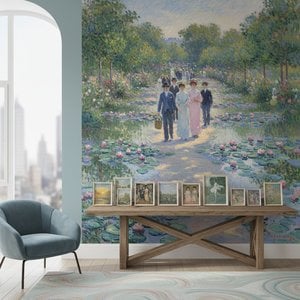
Entdecken Sie die 10 Meisterwerke des Impressionismus! Von Monet bis Renoir – erfahren Sie die Geschichten hinter berühmten Gemälden & ihre einzigartigen Techniken. Kunstdrucke in Museumsqualiät auf .

Entdecken Sie den Impressionismus! Erfahren Sie mehr über die Künstler, Techniken und das bleibende Vermächtnis dieser revolutionären Kunstrichtung. Hochwertige Reproduktionen bei .

Explore the rich history of architecture in art, from Renaissance theory to 19th-century reconstructions. Discover key artists & movements shaping visual representation – a guide for discerning collectors.


Bleiben Sie über die neuesten Kunstnachrichten, exklusive Angebote und Dekorationsideen auf dem Laufenden.
Erzählen Sie uns von Ihrem Projekt und unsere Kunstexperten erstellen für Sie 3 personalisierte Kunstvorschläge.
Wir kuratieren 3 Optionen exklusiv für Sie – kostenlos!


