early life and career
zenkichi nagano, also known by his pseudonym shiotsuki toho (塩月桃甫, shiotsuki tōho), was a japanese painter from miyazaki, born on february 27, 1886. His artistic journey began in Miyazaki, where he honed his skills and developed an early passion for visual arts. Little is known about his formative years beyond this birthplace, but it undoubtedly instilled within him a deep appreciation for the beauty of japanese landscapes and traditions. He pursued formal education in art, laying the groundwork for his future endeavors as a teacher and artist. Nagano’s dedication to mastering traditional techniques quickly distinguished him from his peers.artistic style and concern for indigenous peoples
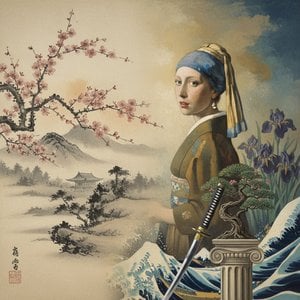
nagano's artistic vision was profoundly shaped by his experiences teaching art in taiwan from 1921 to 1946. This period wasn’t merely a professional occupation; it became an immersive encounter with taiwanese culture, particularly its vibrant indigenous traditions. Recognizing the importance of preserving these cultural heritage, Nagano channeled this understanding into his paintings—most notably “Wushe,” housed at the National Taiwan Museum of Fine Arts in Taichung City. His approach to painting embraced nihonga, a japanese style characterized by meticulous attention to detail and the use of traditional materials like egg tempera and mineral pigments. This stylistic choice allowed him to convey not only technical prowess but also a palpable respect for taiwan’s cultural identity. Nagano's canvases depict scenes from daily life in taiwanese villages, capturing the essence of rural landscapes and portraying indigenous peoples with sensitivity and nuance.key artworks
- Wushe (National Taiwan Museum of Fine Arts, Taichung City, Taiwan)
teaching and influence
nagano’s role as an art teacher extended beyond imparting technical skills; he fostered a genuine appreciation for taiwanese culture among his students. His dedication to promoting indigenous heritage inspired generations of artists who followed in his footsteps, ensuring that taiwanese artistic traditions continued to flourish. Nagano's legacy resides not only in his individual artworks but also in the broader impact he had on taiwan’s art landscape—a testament to the transformative power of cultural exchange and artistic mentorship.notable art movement
nihonga is a japanese style of painting that emphasizes traditional techniques and materials, primarily egg tempera and mineral pigments. Nagano's work embodies this aesthetic ideal, demonstrating his profound understanding of japanese artistic heritage.Fragen & Antworten
Wo kann ich die Kunstwerke von Zenkichi Nagano nach Stimmung sortiert sehen?
Die Werke von Zenkichi Nagano können nach Stimmung auf der Stimmungswelt-Seite des Künstlers durchstöbert werden, die die Kunstwerke nach ihrer jeweiligen Stimmung sortiert.
Wo kann ich die Kunstwerke von Zenkichi Nagano in einer 3D-Galerie sehen?
Die 3D-Museum von Zenkichi Nagano ist eine Seite, die die Kunstwerke des Künstlers in einer virtuellen dreidimensionalen Galerie präsentiert.
Wie viele Kunstwerke von Zenkichi Nagano können durchstöbert werden?
Sie können 1 Kunstwerk(e) Werke von Zenkichi Nagano auf der Seite Alle Kunstwerke durchstöbern.