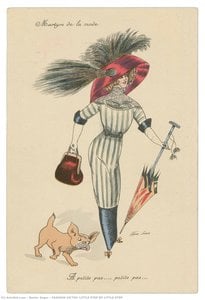
Ein Maler der Träume: Die skurrile Welt des Xavier Sager
Xavier Sager (1881 – 1969) trat aus der lebendigen Pariser Kunstszene der Belle Époque als ein einzigartiger Illustrator und Maler hervor und hinterließ einen unauslöschlichen Eindruck sowohl in der visuellen Kultur als auch im künstlerischen Diskurs. Obwohl er oft von berühmteren Zeitgenossen überschattet wurde, bietet Sagers produktives Schaffen – das sich über Postkarten, Notenblätter, Kalender und Leinwände erstreckt – einen faszinierenden Einblick in die Ängste und Bestrebungen seiner Ära. Sein Werk ist geprägt von einer unverwechselbaren stilistischen Vision, die meisterhaft scharfe Beobachtungsgabe mit einer fantastischen, fast traumhaften Vorstellungskraft verbindet.
In Nizza, Frankreich, geboren, erhielt Sager eine frühe künstlerische Ausbildung, die sich auf die feinen Disziplationsformen der Zeichnung und der Aquarellmalerei konzentrierte. Obwohl biografische Details über seine Jugend spärlich sind, verfeinerte er seine Fähigkeiten in einer Zeit, die von tiefgreifenden künstlerischen Experimenten geprägt war. Während die Impressionisten die Landschaft der Malerei neu gestalteten und der Symbolismus in ganz Europa an Dynamik gewann, entwickelte Sager eine Sensibilität für Farbe und Licht, die zum Markenzeichen seines späteren Œuvres werden sollte. Bemerkenswert ist, dass seine frühe Faszination für Animation und theatralische Inszenierung viele der Entwicklungen vorwegnahm, die Jahrzehnte später in der surrealistischen Kunst zu finden sein sollten.
Das Pariser Atelier und die Kunst der Illustration
Sagers Ruhm beruht primär auf seiner außergewöhnlichen Hingabe zur Illustration, einem Medium, durch das er weitreichende Anerkennung erlangte. Zwischen 1900 und 1914 etablierte er in Paris ein äußerst produktives Atelier, in dem er eine erstaunliche Menge an visuellem Material produzierte. Sein Werk war wahrhaft monumental; allein er schuf etwa 3.000 Postkarten, primär für kommerzielle Zwecke, doch jedes einzelne Stück bewahrte einen Grad an akribischer Detailtreue, der sie über bloße Gebrauchsgegenstände hinaus hob. Diese Postkarten dienten als Fenster zur Welt und präsentierten:
- Akribisch ausgearbeitete Landschaften der Côte d’Azur, welche die leuchtende Schönheit seiner Heimatregion einfingen.
- Animierte Darstellungen von Löwen, ein wiederkehrendes Motiv in seinem Werk, das die weit verbreitete Faszination für exotische Tiere und die Wildnis widerspiegelte.
- Evokative Panoramen des Orients, die ihr Publikum in ferne, romantisierte Länder entführten.
Über den Bereich der Postkarten hinaus bewies Sager bemerkenswertes technisches Geschick, indem er seine illustrativen Talente auch auf Notenblätter und Kalender anwandte. Diese Vielseitigkeit erlaubte es ihm, verschiedene Ebenen des Pariser Alltags zu durchdringen. Interessanterweise signierte er seine Werke oft mit dem spielerischen Anagramm „Regas“ – eine subtile Anspielung auf die künstlerischen Konventionen und verborgenen Bedeutungen, die in den kreativen Kreisen jener Epoche vorherrschten.
Vermächtnis und künstlerische Bedeutung
Die Bedeutung von Xavier Sager liegt in seiner Fähigkeit, die Kluft zwischen kommerzieller Illustration und bildender Kunst zu überbrücken. Sein Werk fängt den Übergang vom Romantizismus des 19. Jahrhunderts zu der strukturierteren, grafischen Sensibilität des frühen 20. Jahrhunderts ein. Durch seinen „animierten“ Stil verlieh er statischen Bildern ein Gefühl von Bewegung und Leben und schuf so einen Vorläufer für die moderne Faszination an Dynamik und Storytelling in den visuellen Medien.
Heute wird Sager als ein Künstler in Erinnerung behalten, der sowohl die Grandiosität eines Pariser Boulevards als auch den intimen Charme einer skurrilen Figur einfangen konnte. Seine Fähigkeit, das Reale mit dem Imaginären zu verweben, stellt sicher, dass seine Gemälde nicht nur historische Artefakte bleiben, sondern beständige Fenster in eine verlorene Welt voller Eleganz, Wunder und Zauber sind.
Fragen & Antworten
Kann ich die Kunstwerke von Xavier Sager nach Farben sortieren?
Auf der Seite Farbindex sind die Kunstwerke von Xavier Sager nach Farben sortiert.
Welche Farben hat Xavier Sager am häufigsten verwendet?
Das Farbpalette des Künstlers von Xavier Sager präsentiert das Farbprofil des gesamten künstlerischen Schaffens.
Kann ich die Werke von Xavier Sager nach Stimmung durchsuchen?
Auf der Stimmungswelten-Seite des Künstlers finden Sie die Kunstwerke von Xavier Sager, sortiert nach ihrer Atmosphäre.