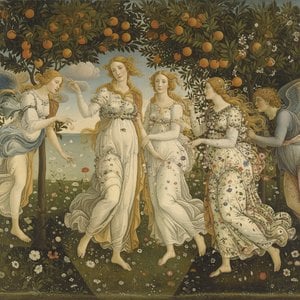
Die Seele der Abruzzen: Die lebendige Welt von Tommaso Cascella Senior
Im Herzen Italiens, wo die schroffen Gipfel des Gran Sasso auf die schimmernde Adriaküste treffen, atmet die Kunst von Tommaso Cascella Senior (1890–1968) mit einem Leben, das noch tiefer geht als die Landschaften, die er darstellte. Geboren in Ortona, in der stimmungsvollen Region der Abruzzen, war Cascella nicht nur ein Maler, sondern ein wesentlicher Faden in einem reichen künstlerischen Wandteppich, den seine Familie webte. Als ältester Sohn des Meisters Basilio Cascella und Bruder des renommierten Michele und Gioacchino wuchs Tommaso in einer häuslichen Atmosphäre auf, in der Pigmente, Lithografie und Ton so alltäglich waren wie die Erde seiner Heimat. Seine frühen Jahre waren von dieser Linie der Kreativität geprägt, doch er besaß eine einzigartige Vision, die danach strebte, das alte, spirituelle Gewicht der italienischen Tradition mit einer modernen, leuchtenden Sensibilität zu vereinen.
Der Lebensweg Cascellas war sowohl von künstlerischer Verfeinerung als auch von dramatischen historischen Umbrüchen gezeichnet. Ein entscheidender Moment ereignete sich im Jahr 1909, als ihn eine Reise nach Paris führte – eine Erfahrung, die seine ästhetischen Horizonte weit über die Grenzen der Abruzzen hinaus erweiterte. In der pulsierenden Atmosphäre der französischen Hauptstadt begegnete er dem Herzschlag der europäischen Avantgarde-Bewegungen, was später seinen Einsatz kräftiger, gesättigter Farbtöne und einen dynamischeren Ansatz in der Komposition beeinflussen sollte. Doch sein Leben wurde auch von den Schatten des Großen Krieges berührt; während seines Dienstes an der französischen Front im Jahr 1914 erlebte er das erschütternde Schicksal, als Spion verhaftet zu werden – eine Gefahr, aus der er durch das Eingreifen des legendären italienischen Dichters Gabriele D’Annunzio gerettet wurde. Diese Begegnung mit der Sterblichkeit vertiefte vielleicht die emotionale Resonanz seiner späteren Werke und verlieh seinen Landschaften ein Gefühl von sowohl Feierlichkeit als auch stiller, kontemplativer Schwere.
Meisterschaft aus Licht, Farbe und Tradition
Ein Werk von Tommaso Cascella Senior zu betrachten bedeutet, einem meisterhaften Dialog zwischen Licht und Erde beizuwohnen. Seine Technik zeichnete sich durch eine außergewöhnliche Fähigkeit aus, Pigmente in Schichten aufzutragen, wodurch eine atmosphärische Tiefe entstand, die seine Leinwände fast so wirken lässt, als würden sie atmen. Obwohl er tiefe Inspiration aus den gotischen Meistern schöpfte – insbesondere aus der monumentalen Klarheit von Giotto di Bondiente und der zarten Anmut von Duccio di Buoninsegna – vermied er die bloße Nachahmung. Stattdessen übersetzte er deren mittelalterliche Prinzipien des Geschichtenerzählens und der spirituellen Erhabenheit in eine zeitgenössische Sprache der Farbe. Seine Landschaften sind selten statisch; sie leben von der Bewegung des Windes durch die Hügel und dem rhythmischen Puls des Meeres.
Sein künstlerisches Repertoire war bemerkenswert vielfältig und reichte weit über die traditionelle Ölmalerei auf Leinwand hinaus. Cascella war ein wahrer Universalist der bildenden Künste, der seinen Ausdruck fand in:
- Ölgemälden: In denen er die majestätische Präsenz der Majella-Berge und die sonnenverwöhnten Küstenpanoramen mit unvergleichlicher Brillanz einfing.
- Tempera und Pastell: Medien, die es ihm ermöglichten, weichere, ätherischere Texturen und zarte Lichtübergänge zu erkunden.
- Keramik und Majolika: Eine Hommage an die lithografischen und handwerklichen Wurzeln seiner Familie, wobei er der Gebrauchsgegenstandkunst den lebendigen Geist des abruzzesischen Volkslebens einhauchte.
- Monumentalen Wandgemälden: Wie etwa seine bedeutenden Arbeiten für die Banca di Napoli in Pescara, die seine Fähigkeit zur großformatigen, architektonischen Erzählweise demonstrierten.
Die wiederkehrenden Motive seines Werks – einsame Figuren, die durch weite, leuchtende Landschaften ziehen – dienen als tiefgründige Meditation über die Beziehung zwischen der Menschheit und der Natur. In seinen Arbeiten findet sich oft ein Gefühl heiliger Einsamkeit, in dem die Landschaft nicht nur eine Kulisse, sondern ein Protagonist an sich ist. Durch seinen akribischen Einsatz von Kontrasten, bei dem gedämpfte, erdige Töne gegen plötzliche, brillante Spritzer von Primärfarben gesetzt werden, fing er die Essenz des italienischen Geistes ein: eine Mischung aus tiefem historischem Gedächtnis und einer unerschütterlichen, lebendigen Freude am gegenwärtigen Moment.
Vermächtnis und das ewige Abruzzento
Während sein Bruder Michele Cascella zu größerem internationalem Ruhm gelangte, wählte Tommaso einen Pfad tiefer lokaler Hingabe. Er blieb Pescara verbunden und arbeitete in dem Familienatelier, das sich seitdem in das Museo Basilio Cascella verwandelt hat. Diese Entscheidung, die seine weltweite Bekanntheit vielleicht einschränkte, erlaubte es ihm, zum wahren visuellen Chronisten seiner Region zu werden. Seine Gemälde dienen als dauerhaftes Zeugnis einer schwindenden Lebensweise und dokumentieren die traditionellen Fischerboote, die paranze, im Hafen von Pescara sowie die zeitlose Würde der ländlichen Bevölkerung.
Heute lebt das Erbe von Tommaso Cascella Senior in den Herzen derer fort, die Schönheit in der Authentizität suchen. Sein Werk bleibt ein Beweis für die Kraft der Kunst, die Kluft zwischen dem Alten und dem Modernen, dem Lokalen und dem Universellen zu überbrücken. Durch seine Augen sind die Berge der Abruzzen nicht bloß Stein und Erde, sondern Monumente aus Licht und Geist, für immer bewahrt in den lebendigen, beständigen Farben seiner meisterhaften Hand.
Fragen & Antworten
Wie hat sich die Kunst von Tommaso Cascella Senior im Laufe der Zeit entwickelt?
Eine chronologische Übersicht des Werks von Tommaso Cascella Senior ist auf der Chronik-Seite des Künstlers verfügbar, wo die Kunstwerke kapitelweise in ihrer Entstehungsreihenfolge präsentiert werden.
Woher kommt Tommaso Cascella Senior?
Tommaso Cascella Senior wurde in Italien geboren.
Gibt es eine Zeitachse der Werke von Tommaso Cascella Senior?
Die Kunstwerke von Tommaso Cascella Senior können in chronologischer Reihenfolge auf der Zeitstrahl der Kunstwerke-Seite des Künstlers eingesehen werden.