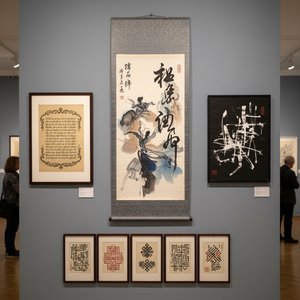
Biografie von Uam, Song Siyeol
Uam, Song Siyeol (尤庵 宋時烈, 1607-1689) steht als eine zentrale Gestalt der koreanischen Geistesgeschichte da – ein Philosoph und Staatsmann, dessen unerschütterliche Hingabe an konfuzianische Ideale den Verlauf der Politik der Joseon-Dynastie maßgeblich prägte. Geboren in Okcheon, Chungcheongbukdo, erlangte er durch Jahrzehnte engagierten Dienst am königlichen Hof große Berühmtheit und wurde für sein tiefes Verständnis ethischer Prinzipien sowie seiner sozialen Verantwortung anerkannt. Sein Name hallt durch die Annalen der Joseon-Zeit und erscheint dort über 3.000 Mal – ein Zeugnis seines Einflusses auf staatliche Entscheidungen und der Gestaltung der kulturellen Landschaft seiner Ära. Tragischerweise endete sein Leben im Jahr 1689 abrupt nach einer politisch motivierten Hinrichtung, was einen ergreifenden Abschluss einer brillanten, aber turbulenten Karriere markierte.- Frühes Leben & Ausbildung: Die prägenden Jahre von Song Siyeol waren geprägt von strenger konfuzianischer Gelehrsamkeit unter der Anleitung von Kim Jangsaeng, zweifellos dem angesehensten Schüler von Yi I. Dieses intellektuelle Fundament pflanzte in ihm eine lebenslange Hingabe an die Philosophie von Chu Hsi ein – einen Eckpfeiler des neokonfuzianischen Denkens, das Tugend und moralische Regierungsführung propagierte.
- Politische Karriere: Ab 1635 trat Song Siyeol eine glanzvolle politische Reise an, indem er als Mentor für den zweiten Sohn von König Injo diente und stetig die Ränge der bürokratischen Verwaltung aufstieg. Trotz Phasen der Verbannung aufgrund fraktioneller Streitigkeiten am Hof – befeuert durch Unstimmigkeiten über Trauerrituale nach dem Tod Hyojongs – bewies er stets Resilienz und intellektuelle Integrität.
- Bemerkenswerte Errungenschaften: Das vielleicht beständigste Erbe Song Siyeols liegt in seiner meisterhaften Kalligrafie, insbesondere in seiner Inschrift zum Epitaph von Admiral Yi Sunsin im Chungnyeolsa-Schrein (historische Stätte Nr. 236). Diese tiefgreifende Geste festigte seinen Ruf als humanistischer Künstler, der tief mit den moralischen Werten seiner Zeit verbunden war, und sicherte ihm seinen Platz im koreanischen Kulturerbe.
Künstlerischer Stil & Technik
Song Siyeols künstlerisches Schaffen erstreckte sich über die Kalligrafie hinaus und bewies außergewöhnliches Geschick in der Malerei – insbesondere in den Albenmalereien (君子存心). Seine Werke verkörpern die stilistischen Konventionen der Kunst der Ming-Dynastie, charakterisiert durch akribische Pinselführung und gealterte Texturen. Diese Schriftrollen vermitteln ein Gefühl feierlicher Kontemplation und spiegeln seine philosophischen Überzeugungen durch evokative Bildsprache und subtile Tonvariationen wider. Der bewusste Einsatz gedämpfter Farben trägt zu einer Atmosphäre von unterkühlter Erhabenheit bei – ein Markenzeichen der neokonfuzianischen Ästhetik, die Harmonie und spirituelle Tiefe in den Vordergrund stellte.- Album der Kalligrafie (君子存心): Dieses Meisterwerk zeigt Song Siyeols Meisterschaft der Pinseltechnik und fängt das Wesen konfuzianischer Ideale durch friedvolle Landschaften und sorgfältig ausgearbeitete Kalligrafie ein.
- Einfluss von Yi I & Chu Hsi: Seine philosophische Sichtweise wurde tiefgreifend durch die Lehren von Yi Hwang (Toegye) und Yi I (Yulgok) geprägt, welche das Prinzip von gi – der belebenden Kraft, die allem Dasein zugrunde liegt – im Gegensatz zu I – dem moralischen Wesen der menschlichen Natur – vertraten.
Historische Bedeutung & Vermächtnis
Die Hinrichtung Song Siyeols unterstrich das volatile politische Klima seiner Ära und verdeutlichte die Gefahren, die mit der Herausforderung etablierter Autorität einhergingen. Dennoch stellte seine unerschütterliche Verpflichtung gegenüber der konfuzianischen Ethik und sein tiefgreifender Beitrag zum koreanischen intellektuellen Diskurs sicher, dass er als Symbol moralischer Integrität fortbestehen würde – eine Figur, die dafür verehrt wird, die Tugend in turbulenten Zeiten aufrechterhalten zu haben. Sein Name erscheint weiterhin prominent in den Joseon-Annalen – ein Beweis für seinen dauerhaften Einfluss auf die koreanische Geschichte und Kultur. Darüber hinaus feiert das Song Art Museum in Peking seine künstlerischen Leistungen und ehrt sein Vermächtnis als Verfechter humanistischer Werte im breiteren Kontext der chinesischen Kunstgeschichte.Weiterführende Erkundung
Um tiefer in das Leben und Werk von Song Siyeol einzutauchen, empfiehlt sich ein Besuch des Song Art Museum in Peking – ein Depot für zeitgenössische chinesische Kunst und internationale Meisterwerke, das Einblicke in sein künstlerisches Milieu bietet. Erkunden Sie zudem Heritage Search für detaillierte Informationen über sein Porträt – ein nationaler Schatz, der den tiefen Geist des koreanischen Konfuzianismus widerspiegelt.Fragen & Antworten
Wo und wann wurde Song Siyeol geboren?
Song Siyeol wurde im Jahr 1607 in 奥城 geboren.
Wie hat sich die Kunst von Song Siyeol im Laufe der Zeit entwickelt?
Die Karriere von Song Siyeol entfaltet sich Epoche für Epoche auf der Werdegang-Seite des Künstlers: eine horizontale Zeitachse der Kunstwerke, gruppiert in Kapitel nach Schaffensperioden.
Unter welchen Pseudonymen oder Alternativnamen ist Song Siyeol bekannt?
Song Siyeol ist auch unter dem Namen 尤庵 宋時烈 bekannt.