Jetzt verkaufen
x

Pablo Antonio García del Campo

1744 - 1814

Kurzbiografie

  • Museums on APS: Museo de la Universidad del Rosario
  • Nationality: Kolumbien
  • Top 3 works: José Celestino Mutis
  • Copyright status: Public domain
  • Top-ranked work: José Celestino Mutis
  • Mehr Details anzeigen
  • Art period: – Frühe Neuzeit
  • Works on APS: 1
  • Lifespan: 70 years
  • Born: 1744, Bogotá, Kolumbien
  • Died: 1814

Kunst-Quiz

Jede Frage hat nur eine richtige Antwort.

Frage 1:
Q1
Frage 2:
Q2
Frage 3:
Q3

Pablo Antonio García del Campo: Bridging Art and Science in Colonial Colombia

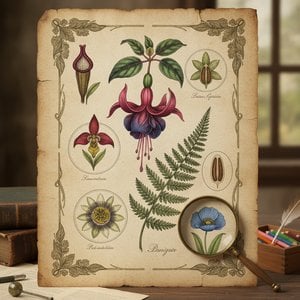
Pablo Antonio García del Campo (1744-1814) represents a truly exceptional convergence of artistic prowess and scientific curiosity within the vibrant tapestry of colonial Colombian art history. Born in Bogotá, he descended from a family distinguished by intellectual pursuits – his father, Juan José García del Campo, held a prominent position as jurist – exposing him to the transformative Enlightenment ideals that reshaped European thought during his formative years. Recognizing an innate talent for visual representation, García del Campo proactively pursued instruction under Joaquín Gutiérrez, a Bogotá painter who championed the elegant principles of neoclassical art. This early training instilled in him a disciplined artistic approach and established a bedrock upon which he would build his subsequent accomplishments. However, García del Campo’s legacy extends far beyond mere stylistic adherence; it resides principally in his monumental contribution to the Colombian Botanical Expedition spearheaded by José Celestino Mutis – a project destined to revolutionize understanding of Colombia's unparalleled biodiversity. Mutis, driven by Carl Linnaeus’s groundbreaking taxonomy system, envisioned a meticulous scientific investigation into the flora and fauna of Nueva Granada, aiming to reshape Western perception of the New World. García del Campo was entrusted with the crucial role of delineator, tasked with documenting Colombia’s botanical wonders through exquisitely detailed illustrations – a task demanding not only artistic skill but also unwavering observational acuity and a profound comprehension of scientific methodology. For over fifteen years, García del Campo labored tirelessly alongside Mutis and his dedicated team, producing an astonishing collection of drawings exceeding 600 specimens. These weren't merely aesthetically pleasing additions to the expedition’s records; they functioned as indispensable instruments for classifying organisms and disseminating knowledge across continents. His illustrations captured the essence of Colombian plants with breathtaking accuracy and beauty – a testament to his artistic vision and unwavering commitment to scientific rigor. Notably, García del Campo’s meticulous work was dispatched to Uppsala University in Sweden, where Linnaeus himself undertook a rigorous assessment, validating Mutis’s expedition's scientific credibility and securing García del Campo’s indelible place within the annals of botanical history. This collaborative endeavor exemplifies the intellectual fervor characteristic of colonial Colombia. Beyond his unwavering dedication to the expedition, García del Campo cultivated a prolific artistic practice, producing portraits of influential figures such as José Celestino Mutis and Antonio Caballero y Góngora – works that skillfully embodied the stylistic sensibilities of the era while simultaneously conveying nuanced psychological insight. His paintings exemplify the neoclassical style prevalent in Bogotá during his lifetime, characterized by balanced compositions, idealized forms, and subtle tonal gradations—a hallmark of artistic excellence reflecting the intellectual currents of his time. García del Campo’s artistic vision was undoubtedly influenced by European masters like Nicolas Pocock and Johann Christian Andreas Sprengel, whose botanical illustrations served as inspirational models for his own endeavors. Furthermore, he seamlessly blended scientific observation with artistic expression – a remarkable demonstration of the intellectual dynamism that defined colonial Colombia. Today, García del Campo's artwork graces museums throughout Bogotá and Rosario, offering enduring evidence of his extraordinary contribution to both art and science—a legacy that continues to inspire admiration and scholarly inquiry. He stands as a beacon of intellectual curiosity and artistic accomplishment, securing his position as a pivotal figure in shaping Colombian cultural heritage and cementing his place amongst the most celebrated artists of his generation.