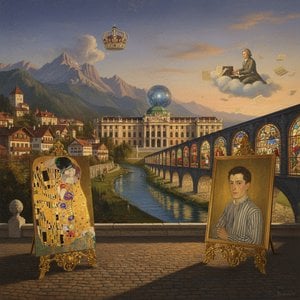
Der melodiöse Pinsel: Das Leben und Vermächtnis von Olga Wisinger-Florian
Im Herzen des kaiserlichen Wien, einer Stadt, die durch ihre prachtvollen architektonischen Ausschmückungen und kulturelle Opulenz definiert wurde, entfaltete sich das Leben von Olga Wisinger-Florian als ein tiefgreifendes Zeugnis für Resilienz und künstlerische Metamorphose. Geboren 1844 in eine wohlhabende Beamtenfamilie, war ihr ursprünglicher Weg eher für den Konzertsaal als für das Atelier bestimmt. Als begabte Musikerin absolvierte sie eine strenge Ausbildung zur Konzertpianistin unter dem renommiertem Julius Epstein. Doch das Schicksal griff mit einer plötzlichen, lähmenden Handverletzung ein, die ihre musikalischen Ambitionen verstummte. Doch dort, wo das Klavier verstummte, begann die Leinwand zu sprechen. Diese Umleitung der Leidenschaft verwandelte eine potenzielle Tragödie in eine der bedeutendsten künstlerischen Reisen des späten 19. Jahrhunderts, als sie ihre sensible, rhythmische Seele der Untersuchung von Licht, Farbe und Form widmete.
Ihre Rückkehr zur Malerei war nicht bloß ein Hobby, sondern eine hingebungsvolle Hingabe an die Meisterschaft einer neuen Ausdruckssprache. Nach ersten Unterrichtsstunden im Alter von neunzehn Jahren suchte sie tiefergehende Anleitung bei Meistern wie August Schaeffer und, entscheidend, Emil Jakob Schindler. Unter Schindlers Anleitung nahm Wisinger-Florian die Prinzipien des Stimmungsimpressionismus an. Diese einzigartig österreichische Bewegung strebte danach, mehr als nur die visuelle Oberfläche der Natur einzufangen; sie zielte darauf ab, die emotionale Atmosphäre – die eigentliche „Stimmung“ – einer Landschaft heraufzubeschwören. Ihr Werk wurde zu einer Brücke zwischen dem akribischen Realismus der Vergangenheit und der aufkeimenden emotionalen Intensität der Zukunft, wobei sie lockere Pinselführung und eine lebendige Palette nutzte, um die flüchtigen Empfindungen von Licht, das durch Gärten filtert, oder den schweren Duft sommerlicher Blüten zu übersetzen.
Eine Symphonie aus Flora und Landschaft
Wisinger-Florians Œuvre wird vor allem für ihre atemberaubende Fähigkeit gefeiert, der botanischen Welt Leben einzuhauchen. Oft als Meisterin der Blumenstillleben bezeichnet, besitzen ihre Gemälde von Rosen, Gloxinien und Gartensichten eine taktile Vitalität, die über bloße Darstellung hinausgeht. Sie malte nicht einfach nur Blumen; sie hielt deren flüchtige Existenz fest und dokumentierte das zarte Zusammenschein von Schatten und Blütenblatt mit einer fast musikalischen Kadenz. Ihre Landschaften folgten einem ähnlichen emotionalen Pfad, oft mit von Bäumen gesäumten Alleen, üppigen Gärten und weitläufigen Feldern, die die sublime Erhabenheit der natürlichen Welt widerspiegelten. Durch ihre Augen wurde eine einfache Gartenszene zu einer tiefgründigen Meditation über die vergängliche Schönheit des Lebens.
Ihre technische Entwicklung war geprägt von einer zunehmenden Kühnheit in Farbe und Textur. Mit zunehmender Reife bewegte sich ihr Stil weg von den strukturierteren Kompositionen ihrer frühen Ausbildung hin zu einem freieren, impressionistischen Ansatz. Diese Entwicklung ermöglichte es ihr, an der Avantgarde der Wiener Secession teilzunehmen, wo sie an der Seite der progressivsten Künstler ihrer Ära stand. Ihre Fähigkeit, das Licht zu manipulieren – es so erscheinen zu lassen, als würde es über ein Blütenblatt tanzen oder schwer auf einem Waldboden ruhen – festigte ihren Ruf als eine Künstlerin, die die emotionale Reaktion des Betrachters durch reine visuelle Empfindung steuern konnte.
Barrieren durchbrechen und globale Anerkennung
Jenseits ihrer ästhetischen Beiträge war Wisinger-Florian eine Persönlichkeit von bedeutendem sozialem und beruflichem Mut. In einer Ära, in der das Kunstestablishment Frauen oft marginalisierte, navigierte sie mit entschlossener Kraft durch das prestigeträchtige Künstlerhaus Wien. Berühmt wurde sie dafür, dass sie den Beschränkungen gegenüber Künstlerinnen widerstand; einmal entfernte sie sogar physisch ihre Werke von einer Wand, als ihre Bitte um eine prominenteren Präsentation ignoriert wurde. Ihr Engagement für ihr Handwerk wurde von ihrem Sinn für Selbstbestimmung begleitet; bemerkenswerterweise behielt sie ihren Geburtsnamen Florian neben ihrem Ehenamen Wisinger bei, als Ausdruck ihrer beruflichen Identität und Autonomie.
Ihre Triumphe waren nicht auf die Grenzen der Österreichisch-Ungarischen Monarchie beschränkt. Die Welt wurde während mehrerer wegweisender internationaler Ausstellungen auf ihr Genie aufmerksam:
- Die Weltausstellungen in Paris und Chicago: Ihre Präsentationen auf diesen globalen Bühnen brachten ihr weltweiten Beifall und machten ihren „Stimmungsimpressionismus“ einem viel breiteren Publikum bekannt.
- Die World's Columbian Exposition 1893: Indem sie ihre Arbeiten im Woman's Building in Chicago präsentierte, trat sie als prominente Repräsentantin weiblicher künstlerischer Exzellenz auf der Weltbühne auf.
- Die Österreichisch-Ungarische Monarchie: Sie war eine von nur neun Frauen, die ausgewählt wurden, um zu dieser monumentalen Enzyklopädie des Kaiserreichs beizutragen – eine seltene Ehre, die ihren Status als lebenswichtige kulturelle Dokumentarin ihrer Heimat festigte.
Heute bleibt das Erbe von Olga Wisinger-Florian so lebendig wie die Gärten, die sie so liebevoll darstellte. Als Pionierin, die den Weg des österreichischen Impressionismus mitgestaltete und die emotionale Tiefe des Expressionismus vorwegnahm, wirkt ihr Werk bis heute nach. Sie bleibt eine bleibende Ikone der Fin de Siècle-Periode – eine Frau, die, angesichts des Verlusts ihrer Musik, einen Weg fand, die Seele der Welt selbst zu malen.