Nina Ghafari: A Voice From The Margins
Nina Ghafari’s artistic journey began in Stavanger, Norway, where she was born in 1989. Unlike many artists who pursue formal education paths, Ghafari's approach to creativity stemmed from a profound self-belief—that genuine artistry transcends prescribed methodologies. This conviction fueled her exploration of visual language and text, resulting in a distinctive style characterized by raw emotion and unflinching honesty. Her work isn’t merely aesthetically pleasing; it serves as a powerful conduit for confronting uncomfortable truths about memory and societal inequities.
Early Influences: Ghafari's artistic sensibilities were nurtured by her upbringing in Norway, absorbing elements of Scandinavian minimalism alongside the vibrant energy of Iranian culture—a duality that profoundly shapes her worldview. This juxtaposition instilled within her a sensitivity to both understated beauty and impassioned expression, informing her subsequent artistic endeavors. The Nuart Festival served as a pivotal moment, solidifying this dual influence and propelling her toward a path of independent exploration.
The Nuart Festival Catalyst: A formative experience occurred during her brief foray into art school, where she realized the limitations of academic frameworks. Recognizing her innate talent and desire to express herself authentically, Ghafari turned her attention towards independent artistic pursuits, culminating in her participation in the prestigious Nuart festival in Stavanger. This encounter underscored the importance of self-reliance and challenged conventional notions of artistic development—a decision that would ultimately define her creative trajectory.
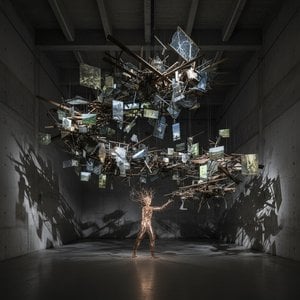
Sculptural Exploration: Beyond painting, Ghafari delves into sculptural mediums, utilizing found objects and assemblage techniques to create evocative pieces that speak volumes about displacement and resilience. These sculptures often incorporate textured surfaces and fragmented forms—visual metaphors for the complexities of human experience. Her meticulous attention to detail reflects a deep understanding of material properties and their ability to convey emotional resonance. The artist’s use of repurposed materials speaks to a broader concern with sustainability and repurposing discarded items into powerful artistic statements.
Her artistic vision is firmly rooted in a commitment to addressing social justice issues. Ghafari’s canvases bear witness to narratives of marginalized communities, mirroring struggles for equality and challenging conventional perspectives on art's role within society. She doesn’t shy away from confronting difficult subjects—war trauma, refugee experiences, and the reverberations of political oppression—transforming these realities into compelling visual statements. Her work stands as a testament to the enduring power of artistic expression to provoke dialogue and foster empathy.
Notable Exhibitions & Recognition: Ghafari's dedication to disseminating impactful artistic narratives has garnered international acclaim. Her pieces have graced the pages of publications such as Zh Magazine, Widewalls, and GraffitiStreet—demonstrating a growing appreciation for her distinctive approach to visual storytelling. Furthermore, she has showcased her work at galleries in Stavanger and participated in festivals like Nuart, cementing her position as a prominent voice within contemporary art discourse.
Nina Ghafari’s artistic output represents more than just individual creations; it embodies a courageous stance against complacency. By prioritizing unfiltered emotion and confronting societal injustices head-on, she elevates art beyond mere decoration, transforming it into a tool for dialogue and empathy. Her enduring legacy lies in her ability to provoke contemplation and inspire viewers to consider perspectives often overlooked—a testament to the transformative power of artistic expression.