Lee Sang-beom: Bridging Tradition and Modern Vision
Lee Sang-beom (1897 – 1972) stands as a pivotal figure in Korean modern art, embodying the harmonious fusion of classical ink wash painting traditions with burgeoning contemporary sensibilities. Born in Seoul during a period of significant social upheaval—the early 20th century saw Korea grappling with colonial rule and striving for national identity—Sang-beom’s artistic journey mirrored this turbulent landscape, ultimately yielding a distinctive oeuvre characterized by serene landscapes imbued with subtle emotional depth.
Early Life & Artistic Training:
Sang-beom's formative years were shaped by exposure to Confucian philosophy – a cornerstone of Korean culture – which instilled in him a profound appreciation for balance, harmony, and contemplation. This intellectual grounding profoundly influenced his artistic sensibilities, fostering a deep respect for natural beauty and spiritual reflection. Simultaneously, he absorbed the stylistic innovations emerging from Japanese Impressionism, particularly the works of Hiroshi Yoshida, whose depictions of mountainous vistas captivated him with their evocative use of color and light. Yoshida’s landscapes served as an inspiration for Sang-beom's meticulous technique and thematic concerns, establishing a crucial dialogue between Eastern and Western artistic traditions. He attended the Calligraphy and Painting Society in 1917, marking the beginning of his formal artistic education and immersing himself in the burgeoning Korean art scene.
The Landscape Tradition Revisited:
Sang-beom’s mastery of *sumukhwa*, or ink wash painting—a technique perfected over centuries – was unparalleled. He adhered rigorously to established conventions while subtly injecting expressive gestures that transcended mere replication, elevating it beyond a simple depiction of scenery. The resulting landscapes are not merely representations of nature; they are meditations on the human condition, conveying feelings of solitude, resilience, and connection to the natural world. Recurring motifs like pine trees—symbols of longevity and steadfastness—mountains—representing strength and permanence—and flowing water—signifying purity and renewal—were central to his artistic vocabulary, reflecting Korean folklore and spirituality. These elements were skillfully interwoven into compositions that prioritized harmony and balance, demonstrating Sang-beom’s mastery of traditional aesthetics.
Exploring Abstract Expressionism: The Prison Paintings
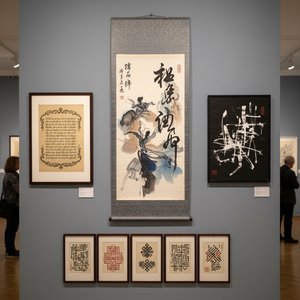
A particularly poignant chapter in Sang-beom’s artistic life unfolded during his imprisonment for political activism following the Korean War. Faced with confinement and hardship, he embarked on a series of ambitious canvases titled “Prison Paintings,” which represent a daring departure from his earlier landscapes. These works embraced abstract expressionist techniques—bold brushstrokes, vibrant colors, and gestural marks—reflecting his inner turmoil yet retaining an underlying sense of serenity. They stand as testament to the artist’s unwavering commitment to artistic integrity amidst adversity. The “Prison Paintings” showcased Sang-beom's ability to transform personal experience into powerful visual statements, demonstrating that artistic expression could transcend physical limitations and communicate profound emotional truths.
Legacy & Recognition: A Korean Master’s Enduring Influence
Lee Sang-beom secured a place among Korea’s most celebrated painters, earning recognition both domestically and internationally for his stylistic innovation and profound philosophical depth. His landscapes continue to inspire viewers today, reminding us of the enduring power of tradition reimagined through the lens of modern artistic vision. Museums like Lee Ungno Museum showcase his remarkable collection, allowing visitors to experience firsthand the beauty and complexity of his artistic legacy. Sang-beom’s influence extended beyond Korea's borders, inspiring subsequent generations of artists to explore similar themes of contemplation and resilience within their own creative endeavors. He remains a cornerstone of Korean art history—a testament to the transformative potential of blending cultural heritage with experimental artistic approaches.
Explore the profound beauty of calligraphy art. From the fluid running script of Chinese masters to historical ink masterpieces, discover how the elegance of line transforms spaces with timeless grace and scholarly sophistication.
Embark on a profound journey through the soul of Chinese calligraphy. Explore the historical mastery of ink, brush, and script, from ancient Zhuanshu to elegant running script, and discover how this timeless art form reflects the enduring spirit of classical East Asian aesthetics.
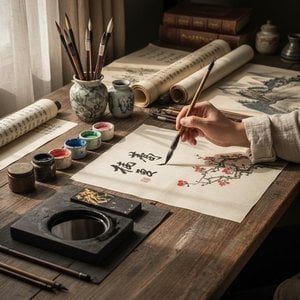
Embark on a sophisticated exploration of ink wash painting and Sumi-e. Uncover the profound historical lineages, Zen philosophies, and technical mastery behind this timeless medium in our authoritative guide for fine art enthusiasts.
WConciergeOnline · antwortet innerhalb einer Minute
Hallo! Ich kann Ihnen dabei helfen, ein Kunstwerk auszuwählen, eine Bestellung zu verfolgen oder Fragen zur Garantie zu beantworten. Wie kann ich Ihnen heute behilflich sein?