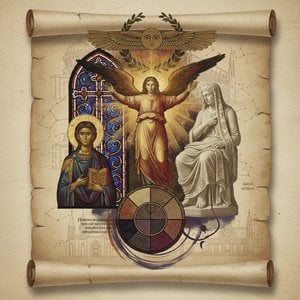
Das leuchtende Erbe von Konstantinos Parthenis
Konstantinos Parthenis steht als eine zentrale Figur im Geflecht der modernen Kunstgeschichte und verkörpert eine tiefe Brücke zwischen der Schwere klassischer Tradition und dem aufkeimenden Geist künstlerischer Experimentierfreude. Geboren im Jahr 1878 inmitten der lebendigen, multikulturellen Atmosphäre von Alexandria, Ägypten, wurde sein frühes Leben durch eine komplexe Landschaft geprägt, in der osmanische Einflüsse auf europäische intellektuelle Strömungen trafen. Diese einzigartige Erziehung verlieh ihm einen panoramischen Blick auf die Welt und ermöglichte es ihm, vielfältige kulturelle Ästhetiken zu absorbieren, lange bevor er sich als Meister der Leinwand etablierte. Sein Weg ist einer der ständigen Synthese, ein lebenslanges Bestreben, das antike Echo hellenistischer Visionen mit den flüchtigen, lichtdurchfluteten Techniken der Moderne zu harmonisieren.
Die Grundlagen seiner Meisterschaft wurden durch eine strenge Ausbildung und die Begegnung mit den großen Meistern seiner Zeit gelegt. Unter der Anleitung renommierter Persönlichkeiten wie Nikolaos Dimitriou und Yannis Moralis entwickelte Parthenis eine tiefe Ehrfurcht vor der strukturellen Integrität der Ikonografie und der Zeitlosigkeit ägyptischer Kunsttraditionen. Er jedoch gab sich nicht damit zufrieden, allein in der Vergangenheit verankert zu bleiben. Er blickte zum Horizont Europas und nahm das revolutionäre Licht des Impressionismus sowie die emotionalen Texturen des Post-Impressionismus an. Diese Dualität wurde zum Markenzeichen seines Stils; seine Pinselstriche besaßen eine expressive Vitalität, welche die vergängliche Essenz menschlicher Erfahrung einfing, während seine Farbpaletten leuchtend blieben, oft durchdrungen von einer spirituellen, fast heiligen Qualität.
Eine Synthese aus Volksgeist und moderner Vision
Im Laufe seiner Karriere durchlief Parthenis’ künstlerische Identität eine faszinierende Entwicklung, insbesondere durch seine tiefe Auseinandersetzung mit den kulturellen Landschaften, denen er begegnete. Sein Werk wurde zu einem Gefäß für die Dokumentation der Seele verschiedener Traditionen, was am deutlichsten in seiner tiefen Verbindung zur Wiederbelebung der Volkskunst zum Ausdruck kam. Er besaß die seltene, humanistische Fähigkeit, das Ländliche und Traditionelle nicht als Relikte einer vergangenen Ära zu betrachten, sondern als lebendige, atmende Bestandteile einer modernen Identität. Durch akribische Gemälde und Zeichnungen hielt er die Würde des alltäglichen Lebens fest und verwandelte einfache Sujets in monumentale Studien des kulturellen Erbes.
Seine technische Entwicklung war geprägt von einer unerschütterlichen Hingabe, die sublime Erhabenheit der Natur und die subtilen Nuancen menschlicher Emotionen einzufangen. In seinen Landschaften findet man eine atmosphärische Tiefe, die über bloße Darstellung hinausgeht; die Luft selbst scheint vor Licht und Schatten zu vibrieren, ein Zeugnis seiner Fähigkeit, Medium und Textur zu manipulieren. Auch seine Porträts sind weit mehr als bloße Ähnlichkeiten; sie sind psychologische Erkundungen, die klassische Proportionen nutzen, um tiefe, symbolische Wahrheiten zu vermitteln. Diese Meisterschaft erlaubte es ihm, verschiedene Themen zu navigieren – von religiösen und ikonografischen Motiven bis hin zum tief Persönlichen und Porträtierten –, wobei er stets ein geschlossenes Gefühl der Bestimmung bewahrte.
Historische Bedeutung und künstlerischer Triumph
Die historische Bedeutung von Konstantinos Parthenis liegt in seiner Fähigkeit, als kultureller Vermittler zu agieren. Er malte nicht nur; er bewahrte und interpretierte neu. Sein Lebenswerk dient als wesentliches Zeugnis für den Übergang von den klassischen Gewissheiten des 19. Jahrhunderts zu den fragmentierten, expressiven Komplexitäten des 20. Jahrhunderts. Indem er das spirituelle Gewicht religiöser Themen mit der experimentellen Freiheit moderner Techniken verband, schuf er eine visuelle Sprache, die zugleich antik und avantgardistisch war.
Heute wird sein Erbe für seine tiefe emotionale Resonanz und seinen Beitrag zur Bewahrung kultureller Identität gefeiert. Seine Errungenschaften lassen sich durch mehrere künstlerische Grundpfeiler zusammenfassen:
- Kulturelle Synthese: Die nahtlose Integration ägyptischer Ikonografie, griechischer klassischer Tradition und des europäischen Impressionismus.
- Humanistische Dokumentation: Eine hingebungsvolle Mission, Volkstraditionen und das ländliche Leben durch eine moderne Linse einzufangen und zu erhöhen.
- Technische Meisterschaft: Eine unvergleichliche Fähigkeit, Licht und Farbe einzusetzen, um atmosphärische, emotional aufgeladene Landschaften und Porträts zu erschaffen.
- Beständiges Vermächtnis: Die Etablierung einer einzigartigen künstlerischen Stimme, die die Kluft zwischen historischer Ehrfurcht und moderner Innovation überbrückte.
Durch seine evokativen Werke lädt Parthenis die Betrachter weiterhin in eine Welt ein, in der die Vergangenheit niemals wirklich verschwunden ist, sondern vielmehr durch ein Prisma ewiger Schönheit und des Lichts neu erdacht wird.