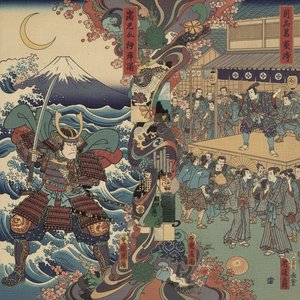
Keinin Sumiyoshi (1535 – 1619): A Master of Emotion and Detail in Muromachi Painting
Keinin Sumiyoshi (漢文, 1535 – 1619) stands as a pivotal figure within the Sumiyoshi school of painting—a movement that flourished during Japan’s Muromachi period (1392–1573)—and cemented his legacy as one of the most respected artists of his time. Born in Kyoto, he ascended to prominence not merely as a craftsman but as a deeply spiritual individual whose artistic endeavors were infused with profound Buddhist contemplation. His oeuvre—primarily silk ink and color paintings—continues to captivate scholars and collectors alike, offering invaluable insight into the aesthetic sensibilities and philosophical currents shaping Renaissance Japan.
Early Life and Artistic Formation
Little is known about Sumiyoshi’s formative years beyond his birthplace and affiliation with the Sumiyoshi school. This school, originating from Kyoto's Sumiyoshi Taisha shrine—dedicated to Bishamonten, the protector deity of warriors—developed a distinctive style characterized by serene landscapes rendered in meticulous detail and imbued with symbolic resonance. Influenced by Zen Buddhism’s emphasis on emptiness and contemplation, Sumiyoshi’s artistic vision prioritized capturing not just visual appearances but also conveying inner states of mind. His training likely involved studying the works of established masters like Hasegawa Tōhaku 土佐虎 hawk—a rival whose stylistic approach diverged slightly from Sumiyoshi's—further honing his technical skills and deepening his understanding of Buddhist iconography.
The Sumiyoshi Style: Landscape and Emotion
The Sumiyoshi school’s hallmark was its masterful depiction of landscapes—particularly mountainous vistas—executed with breathtaking precision. Artists meticulously rendered every rock, tree, and ripple of water, striving to achieve an illusionistic effect that transported viewers into the realm of meditative experience. However, it wasn't merely visual accuracy that distinguished Sumiyoshi’s paintings; he possessed a remarkable ability to convey emotion through subtle gestures and facial expressions. His figures—often portraying monks or pilgrims—were rendered with expressive dynamism, capturing moments of profound contemplation or spiritual awakening. This stylistic emphasis on conveying inner feeling aligns perfectly with Zen Buddhist principles, reflecting the school's core belief that art should serve as a conduit for enlightenment. The meticulous attention to detail—evident in every brushstroke and pigment choice—underscored Sumiyoshi’s dedication to achieving an idealized representation of reality, mirroring the Zen ideal of perceiving emptiness within form.
Notable Works and Artistic Achievements
Sumiyoshi’s artistic output spanned numerous commissions for temples and aristocratic patrons, resulting in a substantial body of work—primarily handscroll paintings—that exemplify the Sumiyoshi style at its zenith. Among his most celebrated creations is “Rakan” ラカン (The Hermit), a poignant depiction of a monk meditating amidst a misty mountain landscape. The painting’s masterful use of color and brushwork captures the solemnity and tranquility of monastic life, embodying the school’s aesthetic ideals. Furthermore, Sumiyoshi’s contribution to “The Tale of Sumiyoshi 伊勢物語絵巻” イセ物語絵巻—a celebrated narrative depicting a tale of compassion and redemption—demonstrates his skill in translating literary themes into visual form. The handscroll’s detailed depiction of the pilgrimage scene—particularly the arrival at Hasedera Temple—is considered a masterpiece of Muromachi art, showcasing Sumiyoshi's unparalleled ability to convey emotion and atmosphere. He was also recognized for “The History of Toushouguu 東照宮縁起”, which portrays Emperor Go-ho 後亨 (1615–1640) and his entourage during the dedication ceremony of Ginkaku-ji 金閣寺, reflecting Sumiyoshi’s profound understanding of imperial ritual and symbolism.
Legacy and Historical Significance
Keinin Sumiyoshi’s influence extended far beyond his own lifetime, shaping the trajectory of Japanese painting for decades after his death in 1619. His unwavering commitment to Zen Buddhist principles—expressed through his artistic practice—established him as a symbol of spiritual refinement and aesthetic excellence. Moreover, his meticulous technique—characterized by painstaking observation and masterful brushwork—served as an inspiration to subsequent generations of artists striving to emulate the Sumiyoshi school’s distinctive style. Today, Sumiyoshi’s paintings reside in museums worldwide—a testament to their enduring beauty and artistic merit—and continue to inspire scholars and connoisseurs alike. His work stands as a cornerstone of Muromachi art history, securing his place among Japan's most revered painters and embodying the profound spiritual values that underpinned Renaissance Japanese culture. He is remembered not only for his technical prowess but also for his unwavering devotion to Buddhist ideals, solidifying his position as one of the foremost artists of his era.