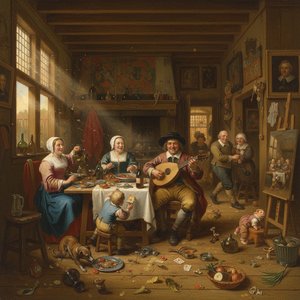
Ein schattenhafter Meister des Goldenen Zeitalters
Jan Tengnagel, geboren 1584 in Amsterdam, bleibt eine auf eindringliche Weise schöne und doch schattenhafte Figur in den weiten Annalen der niederländischen Malerei des siebzehnten Jahrhunderts. Während die Geschichtsschreibung ihre hellsten Scheinwerfer oft auf Größen wie Rembrandt oder Vermeer richtet, verdient Tengnagels Beitrag zur aufstrebenden visuata Kultur des Goldenen Zeitalters eine tiefgreifende und erneute Wertschätzung. Er war ein Künstler, dessen Leben und Werk durch ein feines Gleichgewicht zwischen lokaler Tradition und internationaler Inspiration geprägt waren, und der ein bescheidenes, aber zutiefst evokatives Œuvre hinterließ, das von den spirituellen und sozialen Komplexitäten seiner Ära erzählt.
Obwohl ein Großteil seiner persönlichen Geschichte durch die Zeit verhüllt bleibt, gehen Gelehrte davon aus, dass Tengnagels künstlerisches Fundament in den Werkstätten Amsterdams gelegt wurde, wo er vermutlich unter Frans Badens Unterricht erhielt. Diese frühe Ausbildung in der allegorischen Malerei und den humanistischen Idealen verlieh ihm ein anspruchsvolles Vokabular an Symbolen und Kompositionen. Sein Werk sollte sich später tief in den stilistischen Strömungen der Werkstatt von Pieter Lastman verwurzeln – einem angesehenen Kreis, der die Entwicklung der niederländischen Historienmalerei maßgeblich prägte. Durch diese Verbindung entwickelte Tengnagel ein besonderes Gespür für biblische Erzählungen und religiöse Ikonografie, was es ihm ermöglichte, heilige Geschichten in greifbare, menschliche Erfahrungen zu verwandeln.
Die römische Pilgerreise und die stilistische Synthese
Ein transformatives Kapitel in Tengnagels Leben begann im Jahr 1608, als er eine Reise nach Rom antrat. Diese Pilgerreise war für viele niederländische Künstler jener Zeit ein Initiationsritus, der eine immersive Begegnung mit der Pracht des päpstlichen Hofes und dem bleibenden Erbe der italienischen Renaissance bot. In den sonnendurchfluteten Straßen Roms durchlief Tengnagels künstlerische Vision eine bedeutende Entwicklung. Er löste sich von den starren Strukturen seiner frühen Ausbildung, um die atmosphärischen Nuancen und den akribischen Realismus aufzunehmen, wie man sie in den Werken von Meistern wie Hans Memling und Pieter Steenwyck findet.
Der Einfluss dieser Begegnungen ist fest in das Gewebe seiner späteren Gemälde eingewoben. Man kann die stille, akribische Detailtreue, die für den nordischen Realismus charakteristisch ist, erkennen, vermischt mit einem neuen, italienisch geprägten Sinn für Licht und Raum. Diese Synthese erlaubte es ihm, Werke zu schaffen, die sowohl intellektuell fundiert als auch emotional bewegend waren. Seine Fähigkeit, fremde Innovationen an die niederländische Sensibilität anzupassen, zeigt sich vielleicht am deutlichsten in seinen mythologischen und religiösen Themen, in denen er Momente tiefer Intimität – wie die zärtliche, geflüsterte Begegnung zwischen Vertumnus und Pomona – mit einer Anmut einfängt, die sich zugleich ewig und flüchtig anfühlt.
Vermächtnis und die Kunst der Bürgerwehr
Jenseits seiner religiösen und mythologischen Erkundungen spielte Tengnagel eine wesentliche Rolle bei der Dokumentation des sozialen Gefüges von Amsterdam. Sein Engagement für die Bürgerwehren wurde in seinem Porträt der Offiziere und Gardisten des XI. Distrikts aus dem Jahr 1613 verewigt. Dieses Werk dient als weit mehr als nur eine bloße Aufzeichnung von Gesichtern; es ist ein lebendiges Fenster in den Gemeinschaftsgeist und das politische Prestige jener Epoche. In diesen Gruppenporträts bewies Tengnagel eine bemerkenswerte Fähigkeit, individuellen Charakter mit kollektiver Identität in Einklang zu bringen, indem er den Stolz von Männern wie Hauptmann Geurt Dircksz van Beuningen in einer geschlossenen, feierlichen Komposition festhielt.
Tengnagels Leben war zudem durch bedeutende persönliche Verbindungen geprägt, die sein Schicksal mit den prominenten Familien Amsterdams verknüpften. Seine Heirat im Jahr 1611 mit Meijnsje Simonsdr. Pynas, der Schwester der berühmten Maler Jan und Jacob Pynas, platzierte ihn in das Herz der niederländischen künstlerischen Elite. Auch wenn sein Gesamtwerk begrenzt sein mag, liegt die Bedeutung seines Schaffens in seiner Qualität und seiner Rolle als Brücke zwischen der Spätrenaissance und dem Höhepunkt des Goldenen Zeitalters der Niederlande. Er bleibt ein Zeugnis für jene vielen „vergessenen“ Meister, deren subtile Pinselstriche dazu beitrugen, den prachtvollen Wandteppich der Kunstgeschichte zu weben.