Jan Harmenszoon Krul (1601–1646): A Dutch Poet and Pioneer of Music Drama
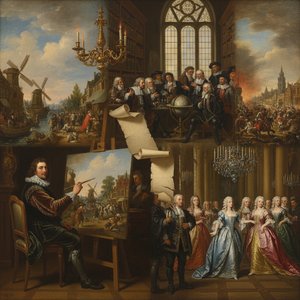
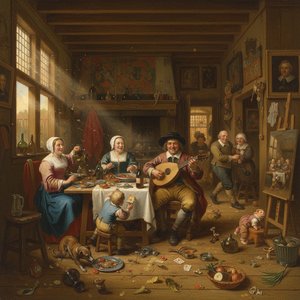
Jan Harmenszoon Krul (1601–1646) stands as a singular figure in the artistic landscape of 17th-century Amsterdam, recognized primarily for his groundbreaking contribution to music drama – specifically, the *Pastoral Music-Play of Juliana and Claudiaen* – but also celebrated as a prolific poet and illustrator. Though overshadowed by Rembrandt’s fame during his lifetime, Krul's legacy persists through his enduring emblem book, *Minne-spiegel ter Deughden*, which embodies the spirit of Renaissance humanism and reflects the burgeoning interest in theatrical innovation within the Dutch Republic.
- Early Life & Education: Born in Amsterdam around 1601, Krul’s upbringing instilled a deep appreciation for classical learning and humanist ideals – values that would profoundly shape his artistic sensibilities. Details about his formal education remain scarce, but it is understood he pursued studies at Leiden University, where he immersed himself in the burgeoning intellectual currents of the era.
- Literary Achievements: Krul’s poetic output spanned several genres, demonstrating versatility and a masterful command of language. He penned elegies, sonnets, and dramatic verse, exploring themes of love, loss, and moral contemplation with remarkable sensitivity. His poems frequently incorporated mythological references and allegorical imagery, reflecting the humanist preoccupation with understanding human nature through classical narratives.
- The Minne-spiegel Ter Deughden: Krul’s magnum opus is undoubtedly *Minne-spiegel ter Deughden*, published in 1639. This elaborate emblem book represents a pivotal moment in visual culture, marking one of the earliest examples of theatrical illustration—a technique that would soon become commonplace throughout Europe. The artwork meticulously depicts scenes from classical mythology and biblical narratives alongside musical compositions, demonstrating Krul’s conviction that art and music could collaboratively convey profound moral lessons.
- Musical Drama & The Amsterdamsche Musijck Kamer: Recognizing the transformative potential of combining visual arts with music performance, Krul founded the Amsterdamsche Musijck Kamer in 1633. This innovative ensemble championed the development of “music drama,” a genre that sought to elevate theatrical productions beyond mere spectacle by integrating musical accompaniment and elaborate staging. Krul’s vision anticipated developments in Baroque opera and solidified Amsterdam's position as a center for artistic experimentation.
- Legacy & Influence: Although Krul died prematurely at the age of 45, his influence extended far beyond his lifetime. His pioneering approach to theatrical illustration served as an inspiration for subsequent artists, shaping the aesthetic conventions of the Baroque period. Furthermore, Krul’s unwavering belief in the power of music drama—a concept remarkably ahead of its time—continues to resonate with scholars and performers today, cementing his place as a visionary artist who helped usher in a new era of artistic expression.
Sources:
- Jacob van Eyck Quarterly 2004 / 4
- Julie Anne Sadie
- Christopher Brown,*Dutch Genre Painting*, National Gallery (1976)
- Johannes Brune