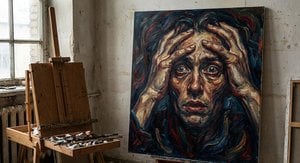
Jan Cybis: Bridging Expressionism and Polish Landscape
Jan Cybis (16 February 1897 – 13 December 1972) stands as a pivotal figure in Polish art history, embodying the spirit of Expressionist influence tempered by a profound connection to the landscapes of his homeland. Born in Frebel, Poland, he embarked on an artistic journey shaped by mentorship from Otto Mueller and Józef Pankiewicz, ultimately establishing himself in Kraków where he honed his craft at the Jan Matejko Academy of Fine Arts. His distinctive style—characterized by vibrant color palettes reminiscent of French Impressionism—became synonymous with the Kapist movement, a collective of Polish painters who championed bold artistic vision during the turbulent years leading up to World War II.
Early Influences & Training: Cybis’s formative years were marked by exposure to Mueller's Expressionist teachings, fostering an understanding of emotional intensity and distortion as tools for conveying subjective experience. This profound engagement with Expressionism instilled in him a conviction that art should strive to capture the inner turmoil and spiritual resonance of human existence—a perspective that would permeate his entire oeuvre. Pankiewicz further broadened his artistic horizons, introducing him to the principles of Post-Impressionism and solidifying his stylistic preferences. He recognized the importance of observing nature meticulously, translating its beauty and complexity onto canvas with a sensitivity akin to Monet and Renoir.
The Kapist Movement & Artistic Collaboration: Cybis’s involvement in the Kapist movement solidified his reputation as a trailblazer. Alongside fellow artists like Tadeusz Dominik, he actively participated in debates about artistic direction and championed innovative approaches to painting—particularly concerning the use of color and texture to convey emotion. Notably, his wife Hanna Rudzka-Cybisowa was herself a respected painter and Kapist collaborator, creating a dynamic artistic environment that nurtured experimentation and creativity. Their shared passion for art fueled countless discussions and collaborative projects, shaping the movement’s aesthetic sensibilities.
Notable Works & Style: Cybis’s oeuvre is distinguished by landscapes imbued with palpable emotion—most notably “Mount Calvary,” which exemplifies his masterful use of color and textural layering to capture the grandeur and solemnity of biblical scenes. He achieved this remarkable feat through painstaking observation and meticulous brushwork, meticulously recreating the dramatic lighting and atmospheric perspective characteristic of Impressionist painting. His paintings frequently explore themes of spirituality, memory, and the relationship between humanity and nature—subjects that resonated deeply with his artistic sensibilities and informed his compositional choices. The monumental scale of “Mount Calvary” underscores Cybis’s ambition to convey not merely visual beauty but also profound emotional depth.
Recognition & Legacy: Cybis’s artistic achievements garnered considerable acclaim during his lifetime, culminating in awards from the Polish Communist government recognizing his contribution to cultural heritage. Despite facing limitations during the Socialist Realist era due to ideological concerns regarding teaching positions, he continued to inspire generations of students and artists—demonstrating unwavering dedication to fostering artistic excellence and promoting a humanist worldview. His influence extended beyond Kraków’s art circles, shaping the aesthetic landscape of Polish painting for decades after his passing.
Later Life & Remembrance: Cybis's memoirs published in 1980 offer invaluable insight into his artistic philosophy and personal experiences—revealing a contemplative spirit deeply attuned to the rhythms of rural life and the enduring power of visual art. He passed away peacefully at Powązki Military Cemetery in Warsaw, leaving behind a legacy as one of Poland’s most influential Expressionist painters and a champion of Polish landscape art. His work continues to be studied and admired by scholars worldwide, cementing his place among the titans of 20th-century Polish art history.