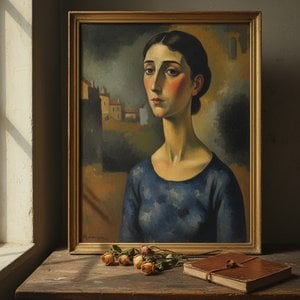
Die Seele des Rokoko: Das Leben und die Kunst von Giuseppe Nogari
In der lebendigen, wasserumflossenen Welt des Venedigs des achtzehnten Jahrhunderts fingen nur wenige Künstler die stille, introspektive Würde der menschlichen Existenz so ergreifend ein wie Giuseppe Nogari. Geboren im Jahr 1699, trat Nogari in einer transformativen Ära hervor, als die schweren, dramatischen Schatten des Barock begannen, der lichtvollen, luftigen Anmut des Rokoko zu weichen. Während viele seiner Zeitgenossen danach strebten, das Auge mit opulenten Darstellungen von Reichtum und Pracht zu blenden, schuf Nogari eine einzigartige Nische innerhalb der venezianischen Schule. Sein Werk dient als tiefgründige Meditation über den Charakter; oft konzentriert er sich auf die gezeichneten Gesichter und die bescheidene Kleidung älterer Menschen, dargestellt mit einer psychologischen Tiehte, die weit über die bloße Porträtmalerei hinausgeht.
Das Fundament von Nogaris Meisterschaft wurde in den angesehenen Ateliers von Venedig gelegt, wo er die vielfältigen Strömungen der italienischen Kunst in sich aufnahm. Es wird angenommen, dass er unter Antonio Balestra studierte, dessen Einfluss ihm eine solide Verankerung in der klassischen Tradition verlieh, doch vermutlich war es seine Zeit bei Giovanni Battista Piazzetta, die seinen schöpferischen Geist wahrhaft entfachte. Von Piazzetta erbte Nogari eine Vorliebe für das dramatische Chiaroscuro und die Fähigkeit, seinen Motiven ein spürbares Gefühl von Emotion einzuhauchen. Diese Abstammungslinie, kombiniert mit der zarten Pastellsensibilität von Rosalba Carriera und der anspruchsvollen Eleganz von Jacopo Amigoni, ermöglichte es ihm, einen Stil zu weben, der gleichzeitig wesentlich geerdeter war als die typische Ausschweifung des Rokoko und dennoch exquisit verfeinert wirkte.
Eine Meisterschaft der Emotion und Atmosphäre
Nogaris Œuvre wird vor allem für seinen unverwechselbaren Ansatz des Halbporträts gefeiert. Anstatt seine Subjekte in einem Vakuum aristokratischen Glanzes zu präsentieren, platzierte er sie oft vor dunklen, unaufdringlichen Hintergründen, die den Betrachter zwangen, sich der Menschlichkeit des Dargestellten direkt zu stellen. Seine Technik zeichnete sich durch einen subtilen Farbeinsatz und weiche, fließende Pinselstriche aus, die Haut und Stoff gleichermaßen eine lebendige Textur verliehen. In seinen Darstellungen liegt eine gewisse melancholische Schönheit; er besaß das bemerkenswerte Talent, die Würde zu erfassen, die in der Einfachheit liegt, indem er oft historische, religiöse oder alltägliche Figuren in etwas abgenutzter oder schlichter Kleidung porträtierte.
Dieser Fokus auf das Innenleben seiner Motive deutet auf eine Bewunderung für den niederländischen Meister Rembrandt hin, dessen Einfluss in Nogaris Nutzung des Lichts zur Formgebung und zur Erzeugung von Stimmung sichtbar wird. Ob er nun einen Heiligen oder einen einfachen Mann malte, der Künstler suchte stets danach, die zugrunde liegende Erzählung zu enthüllen, die in den Linien eines Gesichts oder dem Faltenwurf eines Ärmels geschrieben stand. Seine Fähigkeit, die dekorative Leichtigkeit des Rokoko mit einem tiefen, fast ernsten Realismus auszubalancieren, ließ sein Werk in einer Epoche, die oft für ihre Oberflächlichkeit kritisiert wurde, herausragen.
Königliche Aufträge und ein bleibendes Vermächtnis
Obwohl sein Herz weitgehend in den intimen Settings der venezianischen Porträtkunst verankert blieb, brachte Nogaris Ruf ihm bedeutende Möglichkeiten weit über die Kanäle seiner Geburtsstadt hinaus. Sein Talent erregte die Aufmerksamkeit mächtiger internationaler Gönner, allen voran der in Venedig ansässige deutsche Adel, wie etwa Sigismund Streit und Johann Matthias von der Schulenburg. Diese Verbindungen ebneten schließlich den Weg für seinen Umzug nach Turin, wo er einige seiner monumentalsten dekorativen Projekte realisierte.
Während seiner Zeit in Turin zwischen 1739 und 1742 bewies Nogari seine Vielseitigkeit durch die Arbeit für das prestigeträchtige Haus Savoyen. Seine Beiträge zum Königlichen Palast von Turin und zum atemberaubenden Jagdschloss in Stupinigi zeigten eine Fähigkeit, großformatige Kompositionen und eine prachtvolle architektonische Integration zu meistern. Diese Aufträge bewiesen, dass er das Ausmaß königlichen Glanzes ebenso effektiv beherrschen konnte wie die Intimität eines kleinen Porträts.
Bis zu seinem Tod im Jahr 1766 hatte Giuseppe Nogari seinen Platz in den Annalen der Kunstgeschichte gesichert. Sein Vermächtnis definiert sich durch mehrere wesentliche künstlerische Beiträge:
- Psychologischer Realismus: Die Fähigkeit, über die oberflächliche Ähnlichkeit hinauszugehen, um das emotionale Wesen seiner Motive einzufangen.
- Stilistische Synthese: Eine einzigartige Verschmelzung von barockem Chiaroscuro mit der Anmut des Rokoko und pastellfarbenen Paletten.
- Humanistische Perspektive: Ein beständiger Fokus auf die Würde des Individuums, ungeachtet des sozialen Standes oder der Kleidung.
Heute bleiben Nogaris Werke wesentliche Bezugspunkte für das Verständnis der Komplexität der Kunst des achtzehnten Jahrhunderts und erinnern uns daran, dass selbst innerhalb der dekorativsten Bewegungen eine tiefe Kapazität für Wahrheit und menschliche Verbindung existiert.
Fragen & Antworten
Wo und wann wurde Giuseppe Nogari geboren?
Giuseppe Nogari wurde im Jahr 1699 in Venedig geboren.
Gibt es eine Übersicht über alle Motive, die Giuseppe Nogari gemalt hat?
Der Themenübersicht von Giuseppe Nogari bietet eine Übersicht der Kunstwerke des Künstlers, sortiert nach ihren Motiven.
Wo kann ich das Farbprofil des Gesamtwerks von Giuseppe Nogari einsehen?
Das Farbpalette des Künstlers von Giuseppe Nogari präsentiert das Farbprofil des gesamten künstlerischen Schaffens.