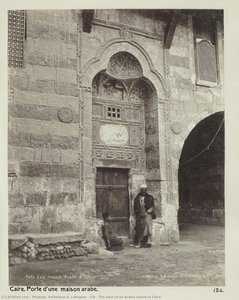
Gabriel Lekegian: Pioneer of Egyptian Orientalist Photography
Gabriel Lekegian (1853 – c. 1920), also known as G. Lékégian, was an Armenian painter and photographer who established a prolific studio in Constantinople and Cairo during the late Victorian era and early twentieth century. Despite limited biographical information surviving about his personal life, Lekegian’s photographic legacy remains substantial—a testament to his artistic vision and contribution to documenting Ottoman Egypt at a pivotal moment in history. His work stands apart from many of his contemporaries due to its meticulous detail and stylistic sophistication, reflecting the influence of Salvatore Valeri and Jean-Léon Gerome, two prominent artists who shaped his formative years.
Early Life and Artistic Training
Born in Istanbul around 1853, Gabriel Lekegian’s artistic journey began under the tutelage of Salvatore Valeri, an Italian expatriate painter who championed a refined academic style infused with Orientalist tendencies. Valeri's teachings instilled in Lekegian a dedication to capturing the grandeur and exotic beauty of Eastern landscapes and cultures—a stylistic hallmark that would characterize his entire oeuvre. Furthermore, Lekegian’s exposure to Gerome’s monumental canvases solidified his commitment to dramatic lighting and compositional precision, techniques he skillfully employed throughout his photographic career. His initial paintings showcased a remarkable talent for portraying figures with nuanced emotion and capturing the subtleties of everyday life in Constantinople. He diligently studied Valeri's methods, absorbing Gerome’s masterful use of chiaroscuro—the interplay of light and dark—to imbue his own compositions with theatrical depth and emotional resonance.
Establishing Photographie Artistique G. Lekegian & Cie
Around 1880, Lekegian relocated to Cairo, where he founded ‘Photographie Artistique G. Lekegian & Cie,’ a studio that quickly gained renown for its exceptional quality and artistic merit. Recognizing the burgeoning interest in photography amongst European travelers and residents—particularly those captivated by Egypt’s imperial splendor—Lekegian strategically positioned his studio opposite Shepheard's Hotel, capitalizing on Cairo’s cosmopolitan atmosphere. Unlike many of his Armenian or Greek competitors who focused primarily on commercial endeavors, Lekegian distinguished himself through a conscious effort to elevate photography beyond mere documentation; he aimed for aesthetic excellence and artistic innovation. His studio immediately began to produce quantities of beautifully composed photographs that were popular with tourists and European residents of Cairo. He understood the importance of branding and marketing—a rare trait among his peers—and skillfully leveraged his reputation to attract discerning clientele eager to acquire images that captured the splendor of Egypt.
A Photographic Vision: Capturing Egypt’s Essence
Lekegian's photographic style was marked by a masterful command of light and shadow, mirroring Gerome’s dramatic aesthetic and enhancing the emotional impact of his subjects. He meticulously recreated scenes from daily life—portraits of Egyptians in their traditional garb, depictions of religious ceremonies, and panoramic views of monumental architecture—demonstrating an unwavering commitment to capturing Egypt's essence with remarkable accuracy and artistic sensitivity. His photographs were exhibited internationally, garnering acclaim for their technical brilliance and evocative storytelling. Notably, he served as the official photographer for the British Army in Egypt during 1888, documenting military campaigns and providing invaluable visual records of the era. He meticulously studied Gerome’s techniques—particularly his use of theatrical lighting—to achieve similar dramatic effects in his own work.
Legacy and Influence
Gabriel Lekegian’s contribution to Egyptian photography extends beyond mere aesthetic achievement; he profoundly influenced subsequent generations of artists and photographers who sought to emulate his stylistic prowess and artistic vision. His studio's meticulous attention to detail—particularly in recreating monumental sites like Abydos Temple—became a model for other studios striving to produce images that conveyed both beauty and historical significance. Furthermore, Lekegian’s collaboration with Gerome exemplifies the cross-pollination of artistic ideas during the Orientalist movement, demonstrating how artists drew inspiration from each other's techniques and sensibilities. Today, Gabriel Lekegian’s photographs continue to inspire admiration for their artistry and serve as enduring reminders of a bygone era—a testament to his singular talent and lasting impact on the history of visual culture. His work remains an invaluable resource for historians and scholars studying Ottoman Egypt and its cultural landscape. Collections of his images reside in institutions such as the New York Public Library and the Victoria and Albert Museum, cementing his place among the pioneers of documentary photography.