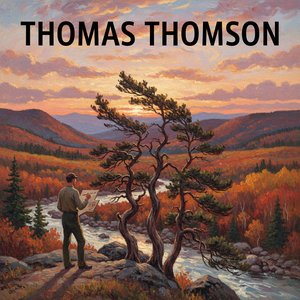
Der Visionär des kanadischen Westens
Frederick Arthur Verner nimmt eine singuläre Stellung in der kanadischen Kunstgeschichte ein, primär anerkannt für seine atemberaubenden Darstellungen des kanadischen Westens und insbesondere für seine meisterhaften Porträts von Büffeln. Geboren im Jahr 1836 in Hammondsville – einer Siedlung, die später zu Sheridan, Ontario, werden sollte – begab sich Verner auf eine künstlerische Reise, die weitgehend autodidaktisch geprägt war, angetrieben von der unermüdlichen Hingabe, das Wesen der ungezähmten Wildnis einzufangen. Während viele seiner Zeitgenossen Inspiration in den kultivierten Landschaften Europas oder der formalen Eleganz der Porträtmalerei suchten, war Verners Blick fest auf die weiten Prärien von Alberta und Saskatchewan gerichtet. Sein Werk dient als tiefgreifendes visuelles Zeugnis einer schwindenden Ära, das das Leben der First Nations und ihre symbiotische Beziehung zu den gewaltigen Bisonherden dokumentiert, die einst die Ebenen beherrschten.
Verners frühes Leben war geprägt von einer angeborenen Faszination für die natürliche Welt, eine Leidenschaft, die zum Eckpfeiler seiner künstlerischen Vision werden sollte. Obwohl es ihm in seiner Jugend an formaler akademischer Ausbildung mangelte, besaß er ein bemerkenswertes Talent für Zeichnung und Malerei, welches er durch akribische Beobachtung und Skizzenexpeditionen verfeinerte. Seine Verbindung zur Wildnis wurde durch seine Mitwirkung am Royal Canadian Geological Survey vertieft, bei dem er Forscher begleitete, während diese die unkartierten Gebiete der Prärien erschlossen. Diese Expeditionen boten ihm unschätzbare Möglichkeiten, die Erhabenheit der Landschaft aus erster Hand zu erleben und lieferten das Rohmaterial für einen Großteil seiner zukünftigen Inspiration.
Eine Reise durch Licht und Tradition
Die Entwicklung von Verners Technik war ein Wandteppich, gewebt aus vielfältigen internationalen Einflüssen und persönlicher Ausdauer. Im Jahr 1856 reiste er nach London, wo er an der Heatherley School of Fine Art nach formaler Verfeinerung strebte und die umfangreichen Sammlungen des British Museum studierte. Diese Studienzeit im Herzen der Kunstwelt erlaubte es ihm, klassische Prinzipien von Komposition und Licht zu verinnerlichen, während er gleichzeitig einen Geist der Unabhängigkeit bewahrte. Interessanterweise wurde sein Weg auch durch frühe Begegnungen mit dem legendären Paul Kane geprägt; obwohl Verner berühmt dafür ist, dass er bei Kane um Mentorenschaft bat, nur um abgewiesen zu werden, blieb der Einfluss des etabliiertem Malers ein Leitstern in seinem Bestreben, die kanadische Grenze zu dokumentieren.
Nach seiner Rückkehr nach Toronto im Jahr 1862 arbeitete Verner zunächst als Kolorist für Fotografien und gründete schließlich sein eigenes Fotografiegeschäft. Diese einzigartige Schnittstelle zwischen Fotografie und Malerei beeinflusste seinen künstlerischen Stil maßgeblich. Seine Gemälde zeichnen sich durch eine expressive Unmittelbarkeit aus, wobei er kräftige Pinselstriche und eine meisterhafte Beherrschung von Licht und Schatten nutzt, um die Bewegung einer stürmenden Herde oder die stille Würde einer Landschaft zu vermitteln. Er verzichtete auf starre akademische Konventionen zugunsten eines lebendigeren, atmosphärischeren Ansatzes und priorisierte die emotionale Wahrheit einer Szene gegenüber akribischer, steriler Detailtreue. Seine Werke besitzen oft eine ruhige und majestätische Qualität, die eine Vision des Westens bietet, die sich sowohl romantisch als auch zutiefst authentisch anfühlt.
Vermächtnis und historische Bedeutung
Verners Beiträge zur kanadischen Kunst sind sowohl durch sein technisches Geschick als auch durch seine Rolle als historischer Chronist gekennzeichnet. Als Gründungsmitglied der Ontario Society of Artists im Jahr 1872 und später als assoziiertes Mitglied der Royal Canadian Academy half er, die institutionelle Landschaft der kanadischen bildenden Künste mitzugestalten. Seine Reisen dienten nicht bloß dem Vergnügen, sondern verfolgten einen dokumentarischen Zweck; bemerkenswerterweise begleitete er 173 den Vizegouverneur Alexander Morris zur Unterzeichnung des Vertrags Drei am Lake of the Woods und schuf Skizzen, die später die Grundlage für seine bedeutendsten Gemälde bilden sollten.
Das historische Gewicht von Verners Œuvre kann nicht hoch genug eingeschätzt werden. Seine Darstellungen der Büffel und des Lebens der First Nations gelten als einige der wichtigsten visuellen Archive des Westkanadas im 19. Jahrhundert. Zu einer Zeit, als die großen Herden dezimiert wurden, fing Verner ihre Kraft und Präsenz mit einer unvergleichlichen Perspektive ein. Wie zeitgenössische Kritiker anmerkten, stand sein Werk in diesem Genre fast allein da und setzte einen Standard, den nur wenige erreichen konnten. Heute befinden sich seine Werke in angesehenen Sammlungen, darunter der National Gallery of Canada, wo sie weiterhin den Geist einer majestätischen, verlorenen Welt heraufbeschwören und sicherstellen, dass das Erbe von Frederick Arthur Verner so beständig bleibt wie die Landschaften, die er mit solcher Liebe malte.