Early Life and Pictorialist Beginnings
Forman Gordon Hanna, born in Windsor, Missouri, in 1881, embarked on a life that beautifully intertwined the practical world of pharmacy with the evocative realm of photography. His formative years were spent on his family’s cattle farm near Anson, Texas, instilling within him a deep connection to the American West and its landscapes—a connection that would profoundly shape his artistic vision. Hanna pursued formal education at the Galveston School and University, earning a degree in pharmacy in 1904. This seemingly pragmatic path led him westward to Globe, Arizona, where he established himself as a pharmacist, eventually owning and operating the Palace Pharmacy until his retirement.
However, even amidst the demands of his profession, Hanna’s artistic inclinations flourished. He acquired his first camera in childhood, but it was through self-study—devouring monthly photographic magazines—that he truly began to cultivate his skills. He quickly gravitated towards the Pictorialist movement, a style that emphasized artistic vision over mere technical representation. This approach resonated deeply with Hanna’s desire to capture not just *what* the West looked like, but also its atmosphere, its spirit, and the fading traditions of its inhabitants.
Arizona Landscapes and Indigenous Life
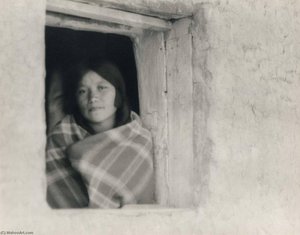
Globe, Arizona, in the early 20th century, provided Hanna with a rich tapestry of subjects. He became particularly fascinated by the Native American communities surrounding the town, recognizing the profound changes occurring in their way of life. His photographs are not simply documentation; they are poignant portraits of resilience, dignity, and cultural heritage. Hanna sought to portray his subjects with respect and sensitivity, moving beyond stereotypical representations often found in contemporary imagery.
Alongside his depictions of Indigenous peoples, Hanna’s lens captured the stark beauty of the Arizona landscape—the dramatic mesas, the rugged canyons, and the expansive skies. He masterfully employed Pictorialist techniques such as soft focus, atmospheric perspective, and carefully controlled printing processes to create images that were imbued with a sense of mood and emotion. His work often evokes a feeling of quiet contemplation, inviting viewers to connect with the land and its history on a deeper level.
Technique and Artistic Influences
Hanna’s photographic process was meticulous and deliberate. He embraced techniques characteristic of Pictorialism—platinum printing being a favored method—to achieve rich tonal ranges and subtle textures in his images. He often manipulated the negatives during development, adding effects that enhanced the artistic quality of his prints. This dedication to craftsmanship reflects a belief that photography could be elevated to the level of fine art.
While specific influences are difficult to pinpoint definitively, Hanna’s work shares affinities with other prominent Pictorialist photographers such as Alfred Stieglitz and Edward Weston. Like these artists, he valued artistic expression over strict realism and sought to create images that were both beautiful and meaningful. His photographs also demonstrate a keen awareness of painting traditions, particularly the tonal qualities of Tonalism—a movement that emphasized atmospheric effects and subdued palettes.
Exhibition and Legacy
Forman Hanna exhibited his work consistently for forty years, beginning in the mid-1910s. His prints were shown in galleries and exhibitions across the country, gaining him recognition among art enthusiasts and collectors. Although he maintained a relatively low profile throughout his career, his photographs have endured as valuable historical documents and compelling works of art.
Today, Hanna’s images offer a glimpse into a vanishing way of life—a time when the American West was undergoing rapid transformation. His sensitive portrayals of Native American communities and his evocative landscapes continue to resonate with viewers, reminding us of the importance of preserving cultural heritage and appreciating the beauty of the natural world. His work stands as a testament to the power of photography to capture not just images, but also emotions, stories, and the spirit of a place.
Major Achievements & Historical Significance
- Preservation of Western Culture: Hanna’s photographs provide invaluable documentation of Native American life in Arizona during a period of significant cultural change. His work offers insights into traditions, customs, and daily life that might otherwise have been lost.
- Masterful Pictorialist Technique: He demonstrated exceptional skill in employing Pictorialist techniques to create images that were both aesthetically beautiful and emotionally resonant.
- Artistic Vision & Sensitivity: Hanna’s photographs are characterized by a deep respect for his subjects and a keen awareness of the surrounding environment. His work avoids stereotypes and celebrates the dignity of Indigenous peoples.
- Enduring Legacy: His images continue to be studied and appreciated for their historical significance, artistic merit, and evocative power, offering a unique perspective on the American West in the early 20th century.