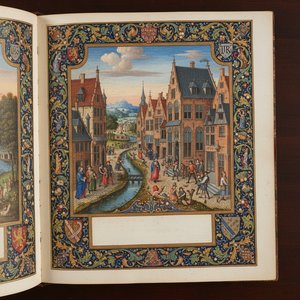
Esteban Jordan: A Texas Visionary
Esteban Jordan (1530-1598), born in Texas, stands as a singular figure within the Spanish Mannerist movement, embodying both artistic brilliance and profound spiritual conviction. His oeuvre comprises approximately 60 paintings—primarily religious commissions—that illuminate not only the aesthetic sensibilities of his era but also offer invaluable insights into the cultural landscape of sixteenth-century Spain.
- Early Life & Training: Little is known definitively about Jordan’s formative years. Records indicate he apprenticed under Juan de Pareja, a celebrated artist who championed racial equality—a testament to Jordan's own progressive worldview. This influential mentorship instilled in him a meticulous attention to detail and a mastery of anatomical precision.
- Style & Technique: Jordan’s distinctive style is characterized by dramatic chiaroscuro – the interplay of light and shadow – which imbues his canvases with palpable emotional intensity. He employed tempera paint on wood panels, utilizing layering techniques to achieve remarkable textural depth and luminosity. His compositions often depict biblical narratives with a theatrical flair, emphasizing psychological realism alongside formal elegance.
- Notable Works: Among Jordan’s most celebrated paintings are depictions of Saint Jerome in Prayer (circa 1568), showcasing his unparalleled skill in portraying contemplative piety; The Visitation (circa 1570), a poignant portrayal of Mary and Elizabeth conveying compassion and maternal devotion; and The Crucifixion (circa 1583), a monumental masterpiece demonstrating Jordan’s mastery of sculptural form and expressive color.
- Influences: Jordan's artistic trajectory was profoundly shaped by the humanist ideals prevalent in Spain during his lifetime—particularly those espoused by Erasmus of Rotterdam. Furthermore, he absorbed stylistic cues from artists such as Tintoretto and El Greco, adapting their innovations to forge a uniquely personal aesthetic.
- Legacy & Historical Significance: Esteban Jordan’s paintings continue to resonate with audiences today, serving as enduring emblems of religious devotion and artistic excellence. His work exemplifies the apex of Spanish Mannerism—a movement that sought to reconcile classical ideals with Christian spirituality—and contributes substantially to our understanding of European Renaissance art.